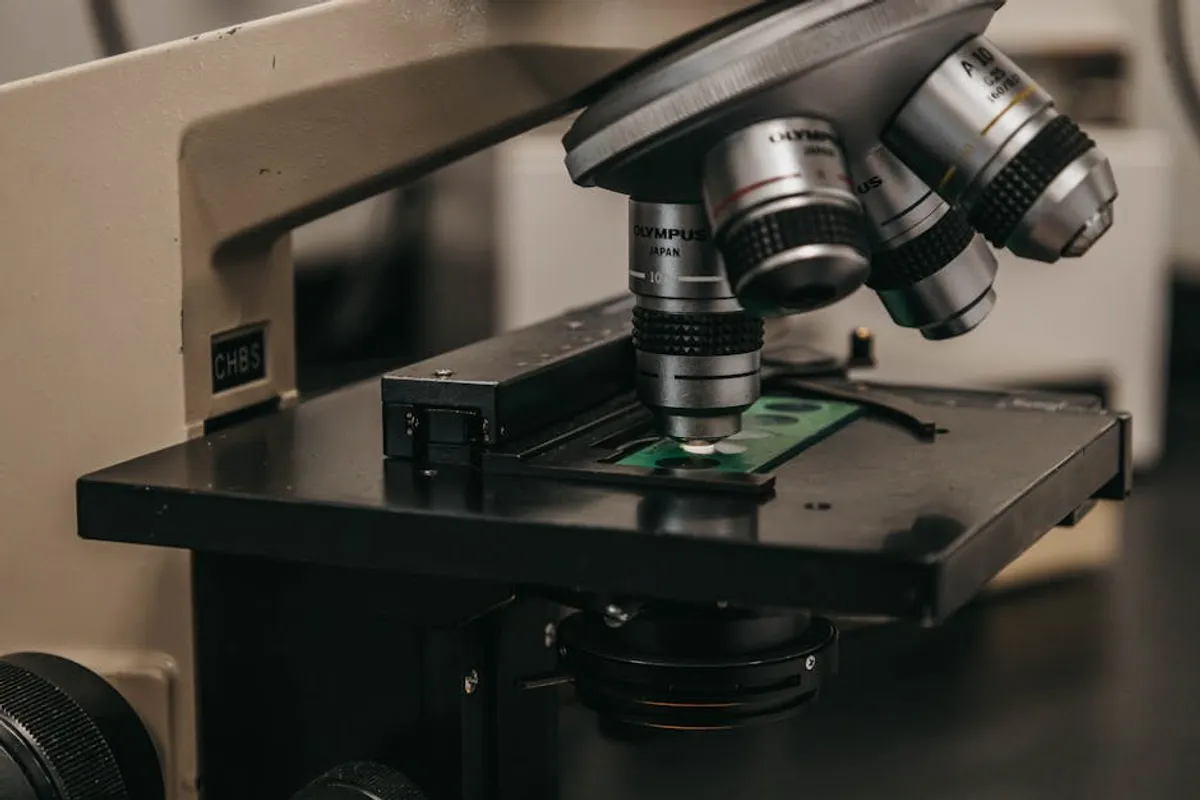
Selecting the right instruments for environmental monitoring requires a clear understanding of specific objectives, operational environments, and data requirements. The array of available tools spans from simple handheld devices for spot checks to sophisticated, integrated systems for continuous, long-term data collection across vast areas. The choice directly impacts the accuracy, reliability, and cost-effectiveness of any monitoring program, whether for regulatory compliance, scientific research, or resource management. Factors such as the parameters to be measured, the required precision, deployment conditions (e.g., remote, harsh, urban), power availability, and budget constraints all shape the optimal instrument selection. This guide outlines key instrument categories, detailing their applications, advantages, and limitations to aid in informed decision-making.
What to Look For in Environmental Monitoring Instruments
Choosing effective environmental monitoring instruments involves evaluating several critical attributes beyond just the primary measurement function. Accuracy and precision are fundamental; instruments must provide reliable data within acceptable error margins for the intended application. Durability and robustness are paramount, especially for field deployments where exposure to harsh weather, dust, or corrosive elements is common. Consider the instrument's calibration requirements and ease of maintenance, as frequent or complex calibration can increase operational costs and downtime. Data logging and connectivity options are crucial for long-term studies, allowing for automated data capture, remote access, and integration with larger monitoring networks. Power consumption is another vital factor, particularly for remote installations reliant on solar or battery power. Finally, evaluate the instrument's user interface and software support; intuitive operation and comprehensive data analysis tools can significantly enhance efficiency and data interpretation.
1. Multi-Parameter Water Quality Sondes
Multi-parameter water quality sondes are integrated devices designed to simultaneously measure several key water quality indicators. These instruments typically house multiple sensors (e.g., pH, dissolved oxygen, conductivity, temperature, turbidity, ORP) within a single, robust housing, often designed for submersible deployment. They are invaluable for assessing the overall health of aquatic ecosystems, tracking pollution events, and monitoring compliance with water quality standards. Modern sondes often feature internal data logging, remote telemetry capabilities, and anti-fouling systems to ensure continuous, reliable operation in challenging environments like rivers, lakes, estuaries, and groundwater wells.
Best for: Comprehensive, simultaneous monitoring of multiple water quality parameters in surface water, groundwater, and wastewater treatment plants.
Pros:
- Reduces the need for multiple individual instruments, simplifying deployment and data management.
- Provides real-time or near real-time data, enabling rapid response to changes in water quality.
- Many models offer advanced features like self-cleaning wipers and remote data transmission.
- Robust construction typically allows for long-term, unattended deployment in various aquatic environments.
Cons:
- Initial cost can be higher than individual sensors.
- Requires regular calibration and maintenance of multiple sensors within the unit.
- Sensor drift can occur, necessitating periodic field checks and recalibration.
- Complexity of some systems may require specialized training for operation and troubleshooting.
Verdict: Essential for any serious water quality monitoring program, offering a powerful combination of efficiency, data richness, and operational flexibility, provided maintenance schedules are rigorously followed.
2. Continuous Ambient Air Quality Monitoring Stations
Continuous Ambient Air Quality Monitoring (CAAQM) stations are sophisticated, fixed installations designed for long-term, real-time measurement of various atmospheric pollutants. These stations typically employ high-precision analyzers to detect gases like ozone (O3), carbon monoxide (CO), sulfur dioxide (SO2), nitrogen oxides (NOx), and volatile organic compounds (VOCs), alongside particulate matter (PM2.5, PM10). They are crucial for regulatory compliance, assessing public health risks, and understanding long-term air quality trends in urban, industrial, and rural settings. Data from CAAQM stations often feeds into public air quality indices and research databases.
Best for: Long-term, high-accuracy monitoring of regulated air pollutants over large areas, informing public health advisories and policy decisions.
Pros:
- Provides highly accurate and legally defensible data for regulatory compliance and research.
- Offers continuous, real-time insights into air quality dynamics and pollution events.
- Can be integrated into national or regional monitoring networks for comprehensive coverage.
- Automated operation minimizes manual intervention once deployed and configured.
Cons:
- Significant capital investment and ongoing operational costs (power, maintenance, calibration).
- Requires a stable infrastructure, including power supply and secure housing.
- Installation and maintenance demand specialized technical expertise.
- Geographic coverage is limited to the immediate vicinity of the station.
Verdict: The gold standard for regulatory air quality assessment, these stations provide indispensable data but require substantial resources and technical commitment.
3. Handheld Multi-Gas Detectors
Handheld multi-gas detectors are portable instruments designed for personal safety and localized environmental screening. These compact devices typically incorporate electrochemical or catalytic sensors to detect common hazardous gases such as oxygen (O2) levels, hydrogen sulfide (H2S), carbon monoxide (CO), and flammable gases (LEL). While not designed for continuous, high-precision environmental monitoring over large areas, they are critical for immediate risk assessment in confined spaces, industrial environments, and during emergency response. Their primary function is to alert users to dangerous gas concentrations.
Best for: Personal safety, confined space entry, leak detection, and rapid spot-checking of specific gas hazards in industrial or emergency scenarios.
Pros:
- Highly portable and easy to use for immediate, on-site assessment.
- Provides instant readings and audible/visual alarms for dangerous gas levels.
- Relatively low cost compared to continuous monitoring stations.
- Essential for worker safety in hazardous environments.
Cons:
- Limited accuracy and precision compared to laboratory-grade or fixed continuous monitors.
- Sensors have a finite lifespan and require regular calibration and replacement.
- Typically measures a small number of predefined gases, not a broad spectrum of pollutants.
- Not suitable for long-term, unattended environmental trend analysis.
Verdict: Indispensable for immediate safety and rapid hazard identification, these detectors prioritize responsiveness and portability over long-term, comprehensive environmental data collection.
4. Soil Nutrient and pH Meters
Soil nutrient and pH meters are essential tools for agriculture, horticulture, and environmental land management, providing insights into soil health and fertility. pH meters measure the acidity or alkalinity of the soil, a critical factor influencing nutrient availability and microbial activity. Nutrient meters, ranging from simple colorimetric test kits to more advanced electrochemical probes, assess the levels of key macronutrients like nitrogen, phosphorus, and potassium (N, P, K), as well as micronutrients. These instruments help optimize fertilizer application, prevent nutrient runoff, and monitor soil degradation or remediation efforts.
Best for: Agricultural planning, land remediation projects, ecological studies, and ensuring optimal growing conditions for plants.
Pros:
- Directly informs decisions on soil amendments and fertilizer use, improving crop yield and reducing waste.
- Helps prevent environmental issues like nutrient leaching into water bodies.
- Relatively inexpensive and easy to use for field-based assessments.
- Provides immediate feedback on soil conditions, allowing for timely adjustments.
Cons:
- Basic models may offer limited accuracy or only measure a few parameters.
- Laboratory analysis is often required for precise, comprehensive nutrient profiling.
- Probe-based meters can be sensitive to soil moisture content, affecting readings.
- Results can be influenced by sampling methodology and soil heterogeneity.
Verdict: Fundamental for sustainable land management, these meters provide actionable data for optimizing soil conditions and minimizing environmental impact, though high-precision applications may still require lab support.
5. Sound Level Meters
Sound level meters, also known as decibel meters, are instruments designed to measure noise levels in various environments. They quantify sound pressure levels, typically in decibels (dB), and often include frequency weighting (A, C, Z) and time weighting (Fast, Slow, Impulse) functions to simulate human hearing response or capture transient noises. These devices are critical for assessing noise pollution, ensuring compliance with occupational health and safety regulations, and evaluating environmental noise impact from sources like traffic, industrial operations, or construction. Advanced models can perform spectral analysis and integrate noise exposure over time.
Best for: Noise pollution assessment, occupational noise exposure monitoring, urban planning, and environmental impact studies.
Pros:
- Provides objective, quantifiable data on noise levels for regulatory compliance and public health assessment.
- Relatively straightforward to operate for basic measurements.
- Portable models allow for flexible, on-site noise surveys.
- Advanced features enable detailed acoustic analysis and long-term logging.
Cons:
- Accuracy can be influenced by proper calibration and microphone placement.
- Interpreting complex noise data often requires specialized acoustical knowledge.
- Environmental factors like wind can affect outdoor measurements.
- High-end models with advanced analysis capabilities can be costly.
Verdict: An indispensable tool for managing noise pollution, sound level meters provide the empirical data needed to mitigate impacts and ensure compliance, requiring careful application for accurate results.
6. Radiation Survey Meters (Geiger Counters)
Radiation survey meters, commonly known as Geiger counters, are instruments used to detect and measure ionizing radiation, including alpha, beta, gamma, and X-rays. They operate by detecting the ionization caused by radiation particles passing through a gas-filled tube, producing an audible click and a digital reading. These devices are crucial for environmental monitoring around nuclear facilities, during emergency response to radiological incidents, for assessing naturally occurring radioactive materials, and for monitoring occupational exposure. More sophisticated models can differentiate between radiation types and provide dose rate measurements.
Best for: Detecting the presence and intensity of ionizing radiation in environmental samples, at incident sites, or for personal safety.
Pros:
- Provides immediate detection and quantification of radiation levels.
- Relatively robust and easy to operate for basic radiation screening.
- Essential for safety in environments where radioactive materials may be present.
- Portable for field use and emergency response.
Cons:
- Basic Geiger counters may not differentiate between types of radiation or provide energy-specific measurements.
- Accuracy can vary depending on the instrument's detector type and calibration.
- Requires regular calibration and maintenance to ensure reliable readings.
- High background radiation can limit sensitivity for very low-level detection.
Verdict: A fundamental safety and screening tool for radiation detection, offering critical immediate data for hazard assessment, though advanced radiological analysis requires more specialized equipment.
7. Automated Weather Stations
Automated weather stations are integrated systems designed to continuously monitor and record meteorological parameters. These stations typically include sensors for air temperature, relative humidity, wind speed and direction, barometric pressure, and rainfall. More advanced configurations can also measure solar radiation, soil temperature, and soil moisture. Data is automatically logged and often transmitted wirelessly for real-time access and analysis. Automated weather stations are vital for agricultural planning, hydrology, climate research, air quality modeling (which requires meteorological inputs), and environmental impact assessments, providing essential context for other environmental data.
Best for: Long-term collection of meteorological data, supporting climate research, agricultural management, air quality modeling, and environmental impact assessments.
Pros:
- Provides continuous, high-resolution meteorological data without manual intervention.
- Crucial for understanding environmental processes and interpreting other monitoring data.
- Can be deployed in remote locations with solar power options.
- Data is often accessible remotely, facilitating real-time decision-making.
Cons:
- Initial setup cost can be significant, especially for robust, research-grade systems.
- Requires regular calibration and maintenance of multiple sensors.
- Vulnerable to environmental factors like lightning, strong winds, and wildlife interference.
- Data quality can be affected by sensor placement and local microclimates.
Verdict: An indispensable backbone for comprehensive environmental monitoring, automated weather stations provide the critical atmospheric context needed to interpret and model environmental phenomena effectively.
8. Data Loggers (Standalone and Integrated)
Data loggers are electronic devices that record measurements over time from various sensors, either as standalone units or integrated within other instruments. They are designed to collect and store data from environmental parameters such as temperature, humidity, light, pressure, or specific sensor outputs. Data loggers are essential for long-term, unattended monitoring, providing a continuous record of environmental conditions. They range from simple single-channel devices to complex multi-channel systems with large storage capacities and advanced communication options, enabling remote data retrieval and analysis. Their primary value lies in capturing trends and events that might be missed by intermittent manual readings.
Best for: Long-term, unattended recording of environmental parameters, capturing trends, and documenting events in remote or continuously monitored locations.
Pros:
- Automates data collection, reducing labor costs and human error.
- Enables continuous monitoring, capturing fluctuations and trends over extended periods.
- Many models are robust, low-power, and suitable for remote deployment.
- Data can be easily downloaded and analyzed using specialized software.
Cons:
- Requires regular battery replacement or external power source for long-term use.
- Data retrieval can be manual for basic models, requiring site visits.
- Storage capacity can be a limiting factor for very high-frequency or multi-channel logging.
- Potential for data loss if not regularly backed up or if the device fails.
Verdict: A foundational component of any long-term environmental monitoring strategy, data loggers ensure the continuous capture of critical information, transforming intermittent observations into comprehensive datasets.
9. Field Spectrophotometers
Field spectrophotometers are portable instruments used to measure the absorption or transmission of light at specific wavelengths through a sample, typically water. This allows for the quantitative analysis of various chemical constituents, such as nutrients (nitrates, phosphates), heavy metals, chlorine, and other pollutants, based on their characteristic light absorption profiles. Unlike laboratory spectrophotometers, field units are designed for ruggedness and ease of use in the field, providing immediate results for quick decision-making. They are used in water quality assessment, wastewater treatment, and environmental research to identify and quantify specific contaminants.
Best for: On-site, quantitative analysis of specific chemical parameters in water samples, providing rapid results for environmental assessments and process control.
Pros:
- Provides quantitative, specific measurements of chemical concentrations in the field.
- Offers rapid results, eliminating the need to transport samples to a lab for basic analyses.
- Portable and generally user-friendly for field technicians.
- Reduces turnaround time for critical water quality decisions.
Cons:
- Limited to parameters for which specific reagents and calibration curves are available.
- Accuracy can be affected by sample turbidity or interfering substances.
- Reagents have shelf lives and must be handled and disposed of properly.
- May not match the precision or detection limits of laboratory-grade instruments for complex matrices.
Verdict: An invaluable tool for rapid, targeted chemical analysis in the field, enabling timely interventions and preliminary assessments, though complex or highly precise analyses still benefit from laboratory methods.
10. Thermal Imaging Cameras
Thermal imaging cameras, or infrared cameras, detect infrared radiation emitted by objects and convert it into a visual image, showing temperature differences. These instruments are not direct environmental pollutant detectors but are highly valuable for a range of environmental monitoring applications. They can identify heat loss from buildings, detect thermal pollution in water bodies, locate leaks in pipelines, monitor wildlife, assess vegetation health (via temperature stress), and identify hot spots in landfills or industrial sites. Their ability to visualize temperature variations makes them powerful tools for non-invasive inspection and assessment.
Best for: Non-invasive detection of temperature anomalies, heat loss, thermal pollution, leaks, and wildlife monitoring in various environmental contexts.
Pros:
- Provides immediate, visual representation of temperature differences across a scene.
- Non-contact measurement, allowing for safe inspection of hazardous or inaccessible areas.
- Useful for a wide range of applications, from energy audits to ecological surveys.
- Can operate in low light conditions, as it detects heat, not visible light.
Cons:
- Does not directly measure chemical or biological pollutants.
- Accuracy can be affected by emissivity, atmospheric conditions, and reflective surfaces.
- High-resolution, calibrated thermal cameras can be expensive.
- Interpretation of thermal images sometimes requires experience and context.
Verdict: A versatile and powerful diagnostic tool for identifying thermal signatures and anomalies, significantly enhancing environmental assessment capabilities across diverse applications.
11. Groundwater Monitoring Probes
Groundwater monitoring probes are specialized instruments designed for deployment in monitoring wells to assess groundwater levels, temperature, and often basic water quality parameters like conductivity or pH. These probes are typically robust, submersible, and equipped with sensors that can withstand long-term immersion. They are critical for tracking changes in groundwater tables, detecting contamination plumes, evaluating the effectiveness of remediation efforts, and managing water resources. Many probes include integrated data loggers for continuous recording and can be connected to telemetry systems for remote data transmission.
Best for: Long-term monitoring of groundwater levels, temperature, and basic quality parameters in monitoring wells and boreholes.
Pros:
- Provides continuous, accurate data on groundwater dynamics and quality.
- Robust design for submersible, long-term deployment in harsh underground environments.
- Essential for detecting and tracking groundwater contamination.
- Many models offer integrated data logging and remote communication capabilities.
Cons:
- Requires the installation and maintenance of monitoring wells, which can be costly.
- Limited to the parameters measured by the specific sensors included in the probe.
- Accessing and maintaining probes in deep wells can be challenging.
- Sensor fouling can occur, necessitating periodic cleaning and calibration.
Verdict: Indispensable for understanding and managing subsurface water resources, these probes provide critical insights into groundwater quantity and quality, forming the bedrock of hydrogeological studies.
12. Particulate Matter (PM) Sensors
Particulate matter (PM) sensors are instruments specifically designed to measure the concentration of airborne solid and liquid particles, categorized by their size (e.g., PM2.5, PM10). These sensors typically use optical methods, such as laser scattering, to count and size particles passing through a detection chamber. PM sensors are crucial for monitoring air quality, assessing the impact of industrial emissions, traffic, and natural events like dust storms or wildfires. They are deployed in both fixed monitoring stations and portable devices to provide real-time data on air pollution levels, informing public health warnings and regulatory actions.
Best for: Real-time and continuous monitoring of airborne particulate matter concentrations, crucial for air quality assessment and public health protection.
Pros:
- Provides real-time data on a key air pollutant directly linked to respiratory and cardiovascular health.
- Available in various form factors, from compact, low-cost sensors to reference-grade monitors.
- Essential for tracking pollution events and assessing compliance with air quality standards.
- Can be integrated into larger air quality networks or personal monitoring devices.
Cons:
- Accuracy and reliability vary significantly between low-cost and high-end sensors.
- Calibration against reference instruments is often necessary for precise applications.
- Environmental factors like humidity and temperature can affect sensor performance.
- Does not differentiate between chemical compositions of particles, only size and concentration.
Verdict: A critical instrument for urban and industrial air quality monitoring, PM sensors provide vital data for public health and environmental regulation, with performance directly correlating to investment.
Measuring Success and Choosing the Right Provider
Measuring the success of environmental monitoring efforts goes beyond simply collecting data; it involves demonstrating how that data informs decisions, mitigates risks, or achieves specific environmental outcomes. Success metrics might include a reduction in pollutant levels, improved compliance rates, more efficient resource use, or enhanced public health. When selecting an instrument provider, prioritize vendors with a proven track record in environmental applications. Look for comprehensive technical support, including installation assistance, calibration services, and troubleshooting. Evaluate the availability of spare parts and consumables, as well as the ease of software integration with existing data management systems. A strong warranty and responsive customer service are also indicators of a reliable partner. Request detailed specifications, performance data, and case studies relevant to your specific monitoring challenges before committing to a purchase.
Frequently Asked Questions
What is the typical lifespan of environmental monitoring instruments?
The lifespan varies significantly depending on the instrument type, manufacturer, deployment conditions, and maintenance regimen. Sensors for gases or water quality often have a shorter lifespan (1-5 years) due to exposure and chemical reactions, while the main instrument housing and data logging components can last 5-10 years or more with proper care. Regular calibration and replacement of consumable parts are critical for extending operational life.
How often should environmental monitoring instruments be calibrated?
Calibration frequency depends on the instrument, manufacturer recommendations, regulatory requirements, and the criticality of the data. High-precision instruments or those in harsh environments may require daily or weekly checks, while others might be calibrated monthly, quarterly, or annually. Field checks with known standards are often performed between full laboratory calibrations to ensure data integrity.
Can these instruments be used in remote, off-grid locations?
Many modern environmental monitoring instruments are designed for remote deployment. This often involves low-power consumption, solar power integration, and wireless data transmission (e.g., cellular, satellite) to enable unattended operation and remote data access. Robust enclosures and anti-fouling systems are also common features for remote installations.
What are the main challenges in deploying environmental monitoring instruments?
Key challenges include ensuring data accuracy and reliability through proper calibration and maintenance, managing power supply in remote locations, protecting instruments from vandalism or environmental damage, and effectively processing and interpreting large volumes of collected data. Logistical issues like site accessibility and personnel training also pose significant hurdles.
Are there specific regulations that dictate instrument choice for environmental monitoring?
Yes, many environmental monitoring programs are driven by specific regulations (e.g., EPA standards in the US, EU directives). These regulations often specify approved measurement methods, required accuracy, detection limits, and even particular instrument types for compliance monitoring. It is crucial to consult relevant local, national, and international regulatory bodies to ensure chosen instruments meet legal requirements.