
What Is Instrument Drift?
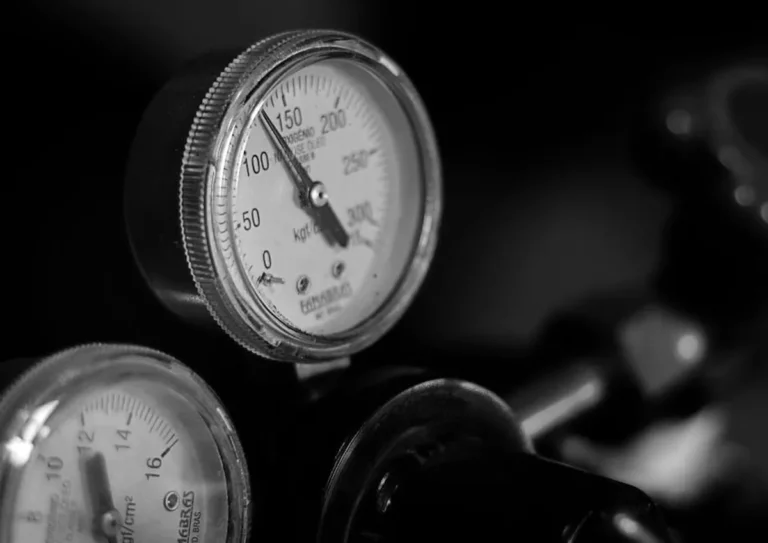
Instrument drift is the gradual deviation of a measurement device's output from its true value over time, impacting data accuracy and operational…
Page 1 of 3 27 articles total
Instrument drift is the gradual deviation of a measurement device's output from its true value over time, impacting data accuracy and operational…
Quality control testing equipment ensures product integrity, safety, and compliance across industries.
Ensure scientific instrument accuracy, extend lifespan, and reduce operational costs with structured maintenance protocols, calibration, and strategic.
Labs require precise temperature and humidity sensors for data integrity and regulatory compliance.
Selecting precision measurement instruments for research labs requires careful evaluation of technical specifications, operational factors, and long-term.
Calibration instruments are essential tools that verify the accuracy of other measuring devices, ensuring precision, compliance, and operational reliability.
Selecting scientific instruments demands careful evaluation of accuracy, compliance, and long-term support to ensure reliable data and project success.
Navigate the essential world of lab measurement tools with this beginner's guide, covering volume, mass, and temperature instruments for accurate results.
Proper storage of scientific instruments safeguards their accuracy, extends lifespan, and prevents costly damage.
Selecting the optimal sensors for a research laboratory demands a precise understanding of experimental parameters, data integrity requirements, and long-term.
A data logger automatically records environmental or process parameters over time, providing critical insights for compliance, efficiency, and predictive.
Accurate laboratory scale calibration is essential for reliable measurements, research integrity, and regulatory compliance in scientific and industrial.