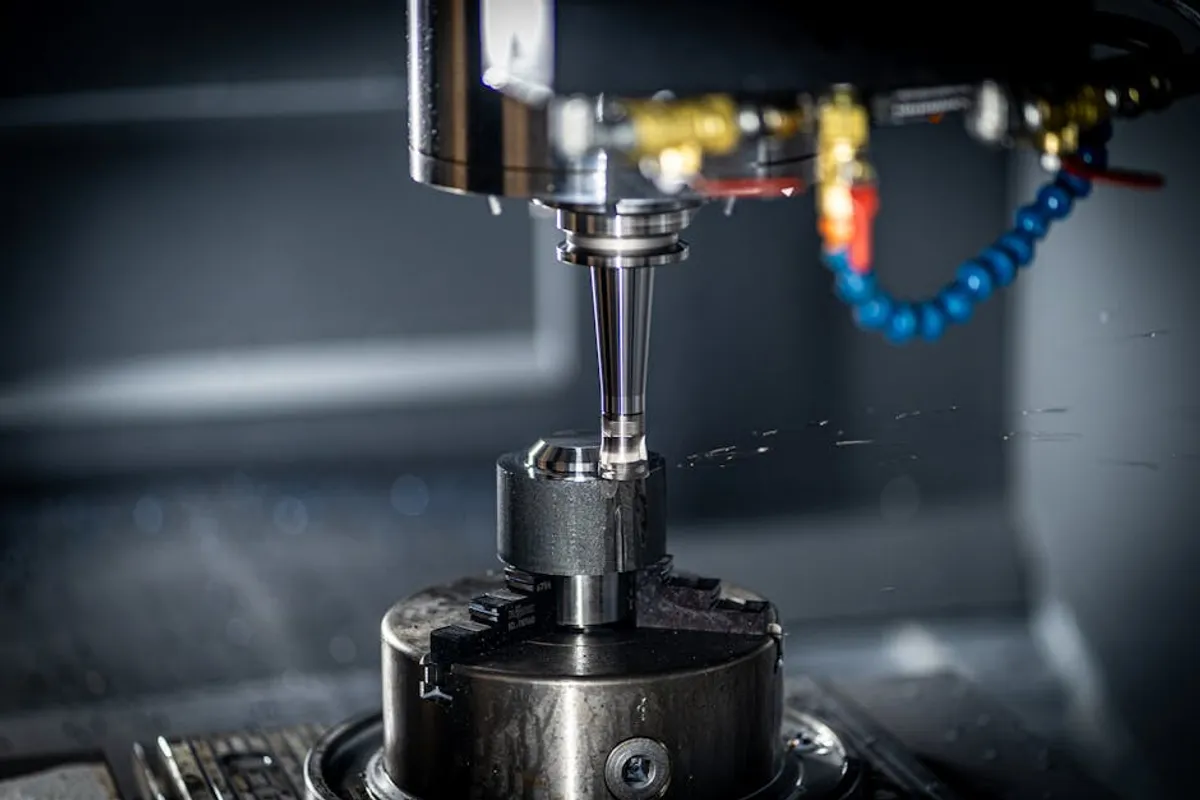
Selecting precision measurement instruments requires a structured approach to ensure the chosen device accurately meets operational demands without incurring unnecessary costs or compromising reliability. The decision impacts product quality, process efficiency, and regulatory compliance. An unsuitable instrument can lead to costly rework, production delays, or non-conformance, making the initial selection critical for long-term operational success.
Defining Your Measurement Needs
Understanding Application Requirements
Before evaluating instruments, precisely define the environment and specific task. Consider the material being measured—its hardness, surface finish, and temperature stability. Assess the physical space available for measurement, including access points and potential obstructions. Environmental factors like vibration, dust, humidity, and temperature fluctuations directly influence instrument performance and longevity. For instance, a shop floor environment demands robust, sealed instruments, while a cleanroom requires specialized, non-contaminating equipment. The nature of the measurement (e.g., static, dynamic, continuous) also dictates instrument type; a dynamic process might require high-speed data acquisition, whereas a static check allows for slower, more deliberate readings.
Specifying Accuracy and Precision
Accuracy refers to how close a measurement is to the true value, while precision indicates the repeatability of measurements. These are distinct but equally critical. Determine the required measurement tolerance for your application; this defines the maximum permissible error. Instrument resolution, the smallest change an instrument can detect, must be finer than the required tolerance. Repeatability, the variation in measurements taken by the same operator under the same conditions, and reproducibility, the variation when different operators or conditions are involved, are key indicators of an instrument's reliability. Instruments with higher accuracy and precision often come with a higher purchase price and calibration costs, so specifying only what is strictly necessary avoids overspending.
Considering Measurement Range and Capacity
The instrument's measurement range must encompass the full spectrum of values you intend to measure. An instrument with too narrow a range will be inadequate for some tasks, while one with an unnecessarily broad range might offer lower resolution or higher cost without commensurate benefit. Capacity refers to the physical limits of the instrument, such as the maximum weight it can support or the largest dimension it can accommodate. Ensure the instrument's physical capacity aligns with the size and weight of the items it will measure, preventing damage to the instrument or inaccurate readings due to overload.
Key Instrument Characteristics to Evaluate
Calibration and Traceability
The reliability of any precision measurement instrument hinges on its calibration status. Instruments should come with a calibration certificate traceable to national or international standards (e.g., NIST, UKAS, ISO 17025). This ensures that the instrument's readings are verifiable against a recognized standard. Understand the recommended calibration frequency and the associated costs. A lack of proper calibration traceability invalidates measurement results, potentially leading to product rejection or regulatory non-compliance.
Environmental Suitability
Instruments must be robust enough to perform reliably in their intended operating environment.
- Temperature stability: How well the instrument maintains accuracy across varying temperatures.
- Humidity resistance: Protection against moisture, especially for electronic components.
- Vibration dampening: Ability to provide stable readings despite external vibrations.
- Ingress Protection (IP) rating: Indicates protection against dust and water, crucial for industrial settings.
- Material compatibility: Ensure the instrument's components do not react with or contaminate the measured material.
These factors directly influence measurement integrity and the instrument's operational lifespan.
Ergonomics and Ease of Use
An instrument's design impacts operator efficiency and reduces the likelihood of measurement errors. Consider the clarity of the display, the intuitiveness of controls, and the physical comfort for prolonged use. Instruments that are difficult to operate often lead to inconsistent readings, increased training time, and operator fatigue. Look for features that simplify data acquisition, such as clear digital readouts, preset functions, and easily accessible settings. The learning curve for new operators should be reasonable to minimize training overhead.
Durability and Maintenance
The construction quality and expected lifespan of an instrument are significant factors. Evaluate the materials used, the robustness of mechanical parts, and the manufacturer's warranty. Understand the routine maintenance requirements, including cleaning, lubrication, and part replacement. Availability of spare parts and local service support is crucial for minimizing downtime. A higher initial investment in a durable instrument can often lead to lower total cost of ownership by reducing repair frequency and extending service life.
Data Connectivity and Integration
Modern precision instruments often offer digital output options (e.g., USB, RS-232, Ethernet, wireless) for seamless data transfer to computers, statistical process control (SPC) software, or manufacturing execution systems (MES). This capability streamlines data logging, reduces manual transcription errors, and facilitates real-time analysis. Assess compatibility with existing software infrastructure and the ease of integrating new instruments into current data management workflows. Instruments with robust data connectivity enhance process control and quality assurance.
Pro Tip: Always request a demonstration or trial period for high-value instruments. This allows your team to assess the instrument's performance in your specific application environment, verify its ease of use, and identify any unforeseen operational challenges before committing to a purchase. Real-world testing often reveals practical considerations not apparent from specifications alone.
Assessing Total Cost of Ownership
Initial Purchase vs. Long-Term Value
The sticker price is only one component of the total cost. Factor in the long-term expenses associated with the instrument. This includes regular calibration fees, the cost of consumables (e.g., probes, batteries), and potential repair costs. A less expensive instrument with frequent calibration needs or high-cost proprietary consumables can quickly become more expensive than a higher-priced, more efficient alternative over its lifespan. Evaluate the manufacturer's reputation for reliability and the availability of service contracts that can mitigate unexpected repair expenses.
Training and Operational Costs
Consider the investment required for operator training. Complex instruments may demand specialized training, which incurs time and financial costs. Simpler, more intuitive designs reduce this overhead. Operational costs also include the power consumption of the instrument, any specialized environmental controls it might require (e.g., temperature-controlled rooms), and the labor time involved in each measurement cycle. Optimizing these factors can significantly impact the overall efficiency and profitability of your measurement processes.
Making the Final Selection
Choosing the right precision measurement instrument involves a systematic evaluation of technical specifications, operational requirements, and long-term costs. Prioritize instruments that offer the necessary accuracy and precision for your application, demonstrate robust performance in your specific environment, and integrate efficiently into your existing workflows. Balance initial investment with total cost of ownership, considering factors like calibration, maintenance, and training. A well-chosen instrument is an investment in consistent quality, operational efficiency, and regulatory compliance, directly contributing to your overall success.
Frequently Asked Questions
What is the difference between accuracy and precision in measurement?
Accuracy refers to how close a measurement is to the true or accepted value, while precision describes the consistency or repeatability of measurements under the same conditions. An instrument can be precise without being accurate, and vice-versa.
How often should precision measurement instruments be calibrated?
Calibration frequency depends on the instrument type, manufacturer recommendations, usage intensity, and the required measurement tolerance. High-use or critical instruments may require annual or even more frequent calibration, while others might be sufficient with less frequent checks.
What role does environmental control play in precision measurement?
Environmental factors like temperature, humidity, and vibration can significantly affect instrument performance and measurement accuracy. Maintaining stable environmental conditions, often in controlled labs, is crucial for obtaining reliable precision measurements.
Is it always better to choose the highest accuracy instrument available?
No, choosing the highest accuracy instrument is not always the best approach. Over-specifying accuracy can lead to unnecessary costs in purchase, calibration, and maintenance. It's best to select an instrument whose accuracy meets or slightly exceeds your application's specific tolerance requirements, ensuring cost-effectiveness without compromising quality.