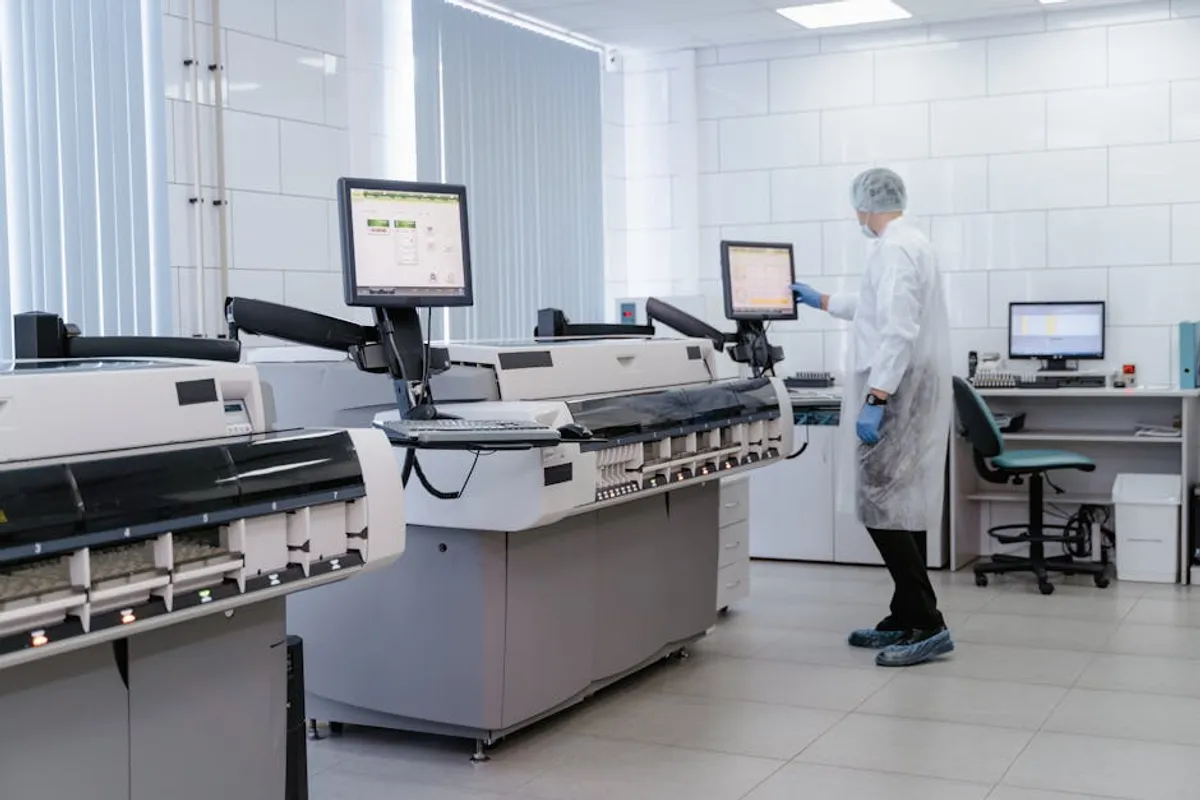
Laboratory instruments represent significant capital investments, and their reliable operation is foundational to accurate research, quality control, and product development. Proper maintenance is not merely a technical chore; it is a strategic imperative that directly influences data validity, operational uptime, and long-term cost efficiency. Neglecting regular upkeep can lead to costly unscheduled downtime, compromised experimental results, and premature equipment failure, eroding both financial resources and scientific credibility. This guide outlines practical strategies for establishing and executing a robust instrument maintenance program designed to preserve precision, extend asset life, and ensure consistent performance across diverse laboratory environments.
Developing a Structured Maintenance Program
Establishing a systematic approach to instrument care is the first step toward sustained reliability. A structured program moves beyond reactive repairs, focusing instead on proactive measures that prevent issues before they arise. This involves understanding each instrument's specific requirements, integrating manufacturer recommendations, and allocating dedicated resources for maintenance activities.
Inventory and Assessment
Begin by creating a comprehensive inventory of all laboratory instruments. For each piece of equipment, document its model, serial number, purchase date, warranty information, and a record of its operational history. This initial assessment should also include evaluating the instrument's criticality to daily operations and the potential impact of its failure. Prioritizing instruments based on their importance helps allocate maintenance resources effectively.
Manufacturer Guidelines Integration
The primary source of maintenance information for any instrument is its manufacturer's manual. These documents provide specific instructions for cleaning, calibration, part replacement intervals, and environmental requirements. Integrating these guidelines into a customized maintenance schedule ensures compliance with warranty terms and optimizes performance according to design specifications. Deviating from these recommendations can invalidate warranties and lead to suboptimal operation.
Implementing Routine Maintenance Protocols
Consistent, scheduled maintenance is the cornerstone of instrument longevity and accuracy. These protocols vary in frequency and complexity, ranging from daily checks to annual service.
Daily and Weekly Checks
Many instruments benefit from simple, routine checks performed by operators. These typically involve visual inspections and basic cleaning.
- Visual Inspection: Check for obvious signs of wear, leaks, corrosion, or damage to cables and connections.
- Surface Cleaning: Wipe down exterior surfaces with appropriate cleaning agents to prevent contamination buildup.
- Consumable Levels: Verify adequate levels of reagents, solvents, and waste containers.
- Parameter Verification: Confirm that operating parameters (e.g., temperature, pressure, flow rates) are within specified ranges before and during use.
Scheduled Cleaning and Component Replacement
Beyond daily checks, instruments require deeper cleaning and the periodic replacement of wear-and-tear components. This often includes:
- Internal Cleaning: Cleaning optical paths, sample chambers, and fluidic systems according to manufacturer instructions.
- Filter Replacement: Changing air, solvent, or sample filters to maintain system integrity and prevent contamination.
- Seal and Gasket Inspection: Examining and replacing seals, O-rings, and gaskets to prevent leaks and maintain pressure or vacuum integrity.
Calibration and Performance Verification
Calibration ensures that an instrument's measurements are accurate and traceable to established standards. Performance verification confirms that the instrument operates within its specified parameters.
Regular Calibration Schedules
Instruments that provide quantitative data require regular calibration using certified reference materials. The frequency of calibration depends on the instrument's usage, environmental conditions, and regulatory requirements. Maintaining a calibration schedule prevents drift in measurements and ensures data reliability. Documenting each calibration, including date, standards used, and results, is crucial for audit trails.
Operational Qualification (OQ) and Performance Qualification (PQ)
For highly critical instruments, particularly in regulated industries, formal qualification processes like OQ and PQ are essential. OQ verifies that the instrument operates according to its functional specifications. PQ confirms that the instrument performs as intended under actual operating conditions, producing results that meet predefined acceptance criteria. These processes provide documented evidence of an instrument's fitness for purpose.
Documentation and Record Keeping
Meticulous record keeping transforms maintenance from an ad-hoc activity into a traceable, auditable process. Comprehensive documentation supports compliance, troubleshooting, and strategic planning.
Centralized Maintenance Logs
Maintain detailed logs for every instrument. These logs should include:
- Date and type of maintenance performed (e.g., daily check, scheduled service, repair).
- Personnel who performed the task.
- Parts replaced or consumables used.
- Calibration certificates and results.
- Any observed issues or unusual findings.
- Downtime duration, if applicable.
Pro Tip: Implement a digital maintenance management system. While initial setup requires effort, these systems automate scheduling, track service history, manage spare parts inventory, and generate compliance reports, significantly reducing administrative overhead and improving data accessibility.
Standard Operating Procedures (SOPs)
Develop clear, concise SOPs for all routine maintenance, cleaning, and calibration tasks. SOPs ensure consistency across different operators and reduce the likelihood of errors. They also serve as valuable training tools for new personnel and reference guides for complex procedures.
Sustaining Laboratory Precision and Efficiency
Effective instrument maintenance is an ongoing commitment, not a one-time project. It requires continuous attention to detail, adaptation to new equipment, and a culture that values precision and reliability. By integrating these practices, laboratories can minimize operational risks, extend the useful life of their assets, and consistently produce high-quality, defensible data, ultimately enhancing their scientific and commercial output.
FAQ
What is the primary benefit of regular instrument maintenance?
The primary benefit is ensuring data accuracy and reliability, which is critical for research integrity and quality control. Regular maintenance also extends the lifespan of expensive equipment, reduces unscheduled downtime, and lowers long-term repair costs.
How often should laboratory instruments be calibrated?
Calibration frequency depends on several factors, including the instrument type, its usage intensity, environmental conditions, and regulatory requirements. Manufacturers provide initial recommendations, but laboratories often adjust these based on performance trends and risk assessment. Understanding the factors influencing calibration also helps in planning preventive maintenance for instruments to ensure their ongoing accuracy.
Can instrument maintenance be outsourced?
Yes, many laboratories outsource specialized maintenance tasks, such as complex repairs, annual service, or highly technical calibrations, to certified third-party service providers or the instrument manufacturer. This is particularly common for instruments requiring specialized tools or expertise.
What are the risks of neglecting instrument maintenance?
Neglecting maintenance can lead to inaccurate data, instrument malfunctions or failures, increased operational downtime, higher repair costs, and potential non-compliance with regulatory standards. It can also compromise experimental results and erode scientific credibility.