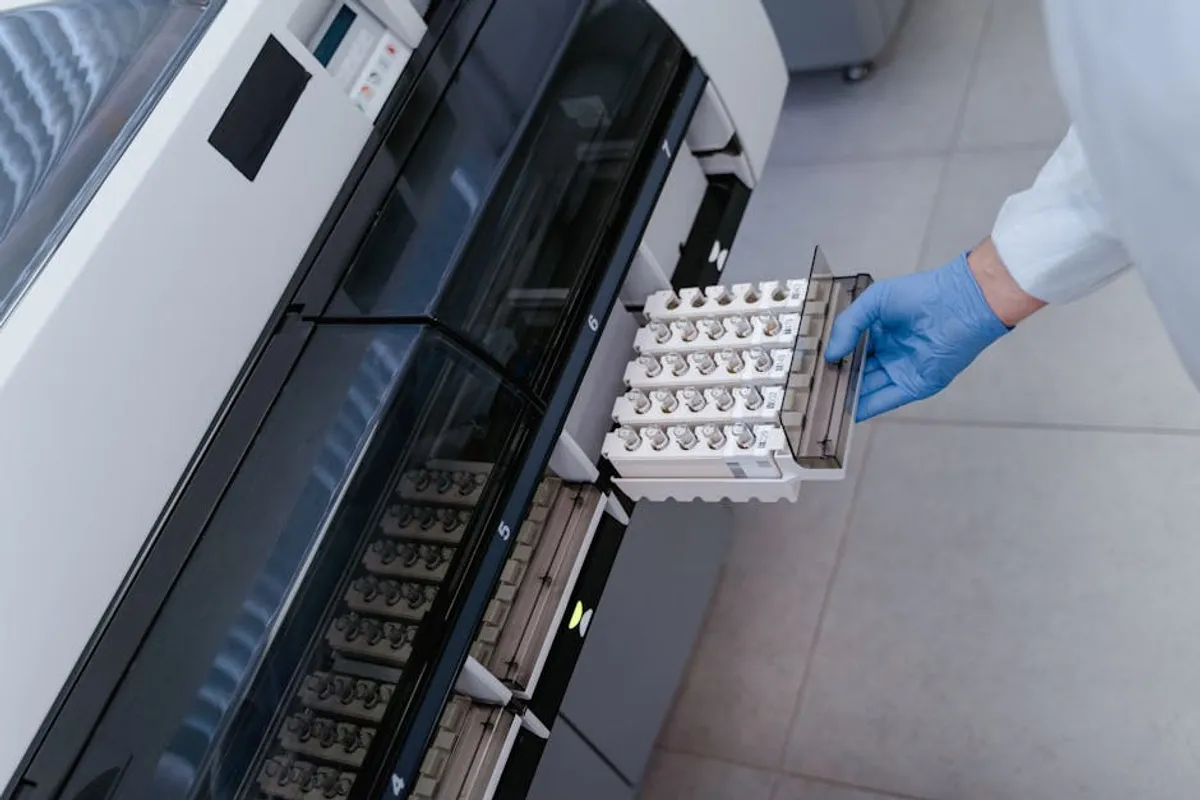
Maintaining lab equipment is not merely a procedural formality; it is a critical operational imperative that directly impacts data integrity, research validity, and long-term cost efficiency. Inaccurate measurements or equipment failures stemming from inadequate upkeep can invalidate entire experimental runs, compromise product quality, and lead to significant financial losses through repeat work, material waste, or regulatory non-compliance. This guide outlines a structured approach to equipment maintenance, focusing on practices that enhance reliability and ensure consistent, verifiable accuracy across all laboratory operations.
Establishing a Proactive Maintenance Schedule
Reactive maintenance, where repairs occur only after a failure, consistently proves more costly and disruptive than a proactive strategy. A well-defined maintenance schedule minimizes unexpected downtime and preserves the precision of sensitive instruments. This schedule should categorize maintenance into routine, preventative, and predictive tasks, each with distinct frequencies and protocols.
Routine Daily and Weekly Checks
Daily and weekly checks are fundamental for early detection of minor issues before they escalate. These tasks typically involve visual inspections, basic cleaning, and verification of operational parameters. For instance, checking fluid levels in recirculating chillers, inspecting seals on vacuum pumps for integrity, or confirming calibration status indicators on balances are simple steps that prevent larger problems. Consistent execution of these routine checks establishes a baseline of performance and alerts operators to deviations.
- Inspect external surfaces for dust, spills, or corrosion.
- Verify power connections and indicator lights for normal operation.
- Check for unusual noises, vibrations, or odors from active equipment.
- Clean accessible components, such as optical windows or electrode surfaces, using approved methods.
- Confirm environmental controls (temperature, humidity) are within specified ranges for sensitive instruments.
Scheduled Preventative Maintenance
Preventative maintenance involves planned servicing based on manufacturer recommendations or historical performance data. This includes component replacements, lubrication, and thorough cleaning that requires partial disassembly. For example, replacing filters in HVAC systems or mass spectrometers, recalibrating pH meters, or servicing pump diaphragms at specified intervals prevents degradation of performance. These actions extend the lifespan of equipment and maintain optimal operating conditions, directly contributing to measurement accuracy.
Calibration Protocols for Precision
Calibration is the process of adjusting an instrument to ensure its measurements align with known standards. For lab equipment, this is paramount for accuracy and traceability. Regular calibration, performed by qualified personnel using certified reference materials, confirms that instruments are providing reliable results. The frequency of calibration depends on the instrument's criticality, usage intensity, and manufacturer guidelines.
Internal and External Calibration Practices
Many instruments allow for internal calibration using built-in standards or procedures, which can be performed more frequently by trained lab staff. However, external calibration by accredited third-party services is often required for regulatory compliance or for instruments demanding the highest levels of precision. External calibration provides an independent verification of accuracy and often includes detailed reports and certificates, which are crucial for audits and quality assurance. Establishing clear criteria for when internal versus external calibration is appropriate ensures both cost-effectiveness and compliance.
Pro Tip: Implement a color-coded tagging system for calibrated equipment. A green tag could indicate 'Calibrated, In-Service,' yellow for 'Due for Calibration,' and red for 'Out of Service - Do Not Use.' This visual cue provides immediate status updates, preventing the accidental use of uncalibrated instruments and safeguarding data accuracy.
Documentation and Record-Keeping
Thorough documentation of all maintenance activities, calibrations, and repairs is indispensable. This creates a traceable history for each piece of equipment, allowing for performance trend analysis, troubleshooting, and demonstrating compliance with quality standards (e.g., ISO 17025, GLP/GMP). Digital record-keeping systems offer advantages in accessibility and data integrity over paper logs.
Key Information for Maintenance Records
Each record should include the date of service, the type of maintenance performed (e.g., preventative, corrective, calibration), the identity of the technician, any parts replaced, and the results of performance verification tests. For calibrations, include the standards used, the 'as found' and 'as left' readings, and the calibration certificate number. This level of detail supports audit trails and informs future maintenance planning, helping to optimize schedules and budget for component replacements.
Training and Competency
The effectiveness of any maintenance program hinges on the competence of the personnel involved. Regular training ensures that lab staff understand the proper operation, routine maintenance tasks, and troubleshooting procedures for the equipment they use. For specialized preventative maintenance and calibration, technicians must possess specific certifications or manufacturer training.
Developing a Training Matrix
A training matrix can map specific equipment to required skills and personnel, identifying any gaps. This ensures that only qualified individuals perform maintenance tasks, reducing the risk of damage or improper adjustments that could compromise accuracy. Continuous professional development, including updates on new equipment and maintenance techniques, is also vital.
Optimizing Lab Equipment Performance
Consistent, structured maintenance practices are not merely about fixing broken items; they are about proactively preserving the intrinsic accuracy and reliability of laboratory instrumentation. By adhering to routine checks, scheduled preventative actions, rigorous calibration, and meticulous documentation, laboratories can significantly reduce measurement uncertainty, extend equipment lifespan, and ensure the integrity of their scientific output. This disciplined approach underpins credible research and dependable operational outcomes, making it a foundational element of any high-performing lab.
Frequently Asked Questions
How often should lab equipment be calibrated?
Calibration frequency depends on several factors: manufacturer recommendations, the instrument's usage intensity, the criticality of its measurements, and any regulatory requirements. High-use or critical instruments may require quarterly or semi-annual calibration, while others might be sufficient with annual checks.
What is the difference between preventative and predictive maintenance?
Preventative maintenance involves scheduled tasks based on time or usage (e.g., replacing a filter every six months). Predictive maintenance uses data from condition monitoring (e.g., vibration analysis, temperature trends) to forecast potential failures and schedule maintenance only when needed, minimizing unnecessary interventions.
Can internal staff perform all equipment maintenance?
While internal staff can handle routine cleaning, basic checks, and some internal calibrations, specialized preventative maintenance, complex repairs, and accredited external calibrations often require trained, certified technicians or third-party service providers. This ensures compliance, maintains warranties, and guarantees the highest level of accuracy.
What role does environmental control play in equipment accuracy?
Environmental factors like temperature, humidity, and vibration can significantly impact the performance and accuracy of sensitive lab equipment. Maintaining stable and controlled environmental conditions, as specified by the manufacturer, is a critical aspect of preventing measurement drift and ensuring reliable operation.