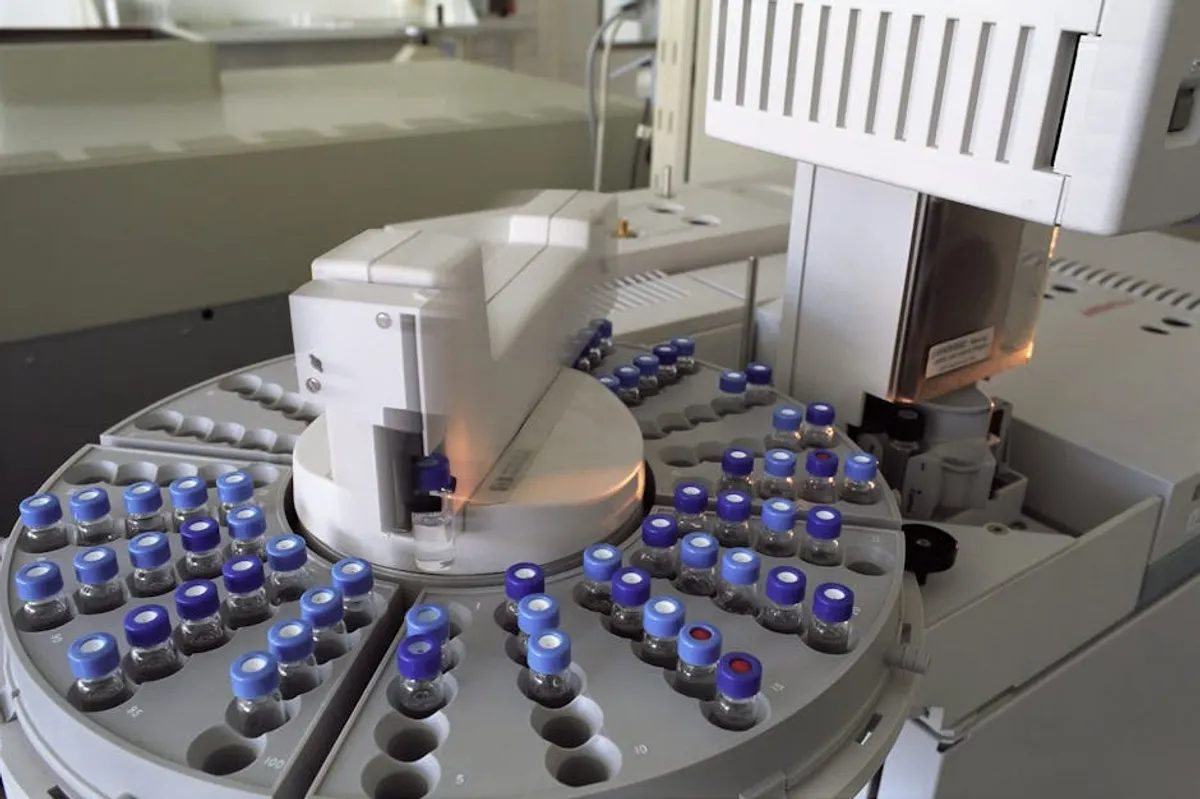
Entering the world of laboratory work, whether for fundamental research, quality control, educational instruction, or product development, requires a precise understanding of equipment procurement. For beginners, the initial task of selecting and acquiring the correct tools can appear complex, given the breadth of available instrumentation, technical specifications, and varying price points. A systematic approach to purchasing laboratory equipment ensures operational efficiency, safety compliance, and long-term value from your investment.
The primary objective is to match equipment capabilities directly to your specific experimental needs and operational scale. Over-specifying can lead to unnecessary expenditure, while under-specifying compromises data integrity and safety. This guide provides a structured framework for beginners to navigate the purchasing process, focusing on practical considerations and critical decision points.
Defining Your Laboratory Needs
Before evaluating specific instruments, articulate the precise function and scope of your laboratory. This foundational step dictates every subsequent purchasing decision.
Purpose and Application
Clearly define the types of analyses, experiments, or processes your lab will conduct. For instance, a microbiology lab requires incubators, autoclaves, and microscopes, while a chemistry lab prioritizes glassware, fume hoods, and analytical balances. Detail the specific parameters you need to measure (e.g., pH, temperature, concentration), the required precision levels, and the sample throughput volume.
Scale of Operations
Consider the anticipated volume of work. A small-scale educational lab might suffice with basic, manual equipment, whereas a high-throughput industrial lab demands automated systems and robust, continuously operational instruments. Evaluate the frequency of use and the number of users to determine the necessary durability and capacity of each item.
Regulatory and Safety Requirements
Identify all relevant industry standards, safety regulations, and compliance mandates that apply to your specific field and location. This includes certifications (e.g., ISO, GMP, GLP), electrical safety standards, waste disposal protocols, and personal protective equipment (PPE) requirements. Equipment must not only perform its function but also adhere to these critical guidelines to ensure a safe working environment and valid results.
Essential Equipment Categories
While specific needs vary, most laboratories require foundational instruments and supplies across several categories.
Basic Benchtop Instruments
These are the workhorses of many labs, providing fundamental measurements and manipulations.
- Analytical Balances: For precise mass measurements, crucial in preparing reagents and samples. Accuracy ranges from 0.1 mg to 0.0001 mg.
- pH Meters: Essential for measuring acidity or alkalinity, often with temperature compensation features.
- Magnetic Stirrers and Hot Plates: Used for mixing solutions and controlled heating. Look for models with independent controls for speed and temperature.
- Centrifuges: Separating substances based on density. Consider speed (RPM/RCF), capacity, and refrigeration options.
- Water Purification Systems: Producing deionized or ultrapure water, critical for preventing contamination in sensitive assays.
Consumables and Glassware
These are expendable items necessary for daily operations.
- Glassware: Beakers, flasks, pipettes, burettes, and graduated cylinders. Select borosilicate glass for chemical resistance and thermal shock durability.
- Plasticware: Pipette tips, centrifuge tubes, reagent bottles. Ensure compatibility with chemicals and temperature ranges.
- Chemicals and Reagents: Source from reputable suppliers with clear purity specifications and safety data sheets (SDS).
Safety Gear
Non-negotiable for protecting personnel and the environment.
- Personal Protective Equipment (PPE): Safety glasses/goggles, lab coats, gloves (nitrile, latex, chemical-resistant), and respirators.
- Fume Hoods and Biological Safety Cabinets (BSCs): Critical for handling volatile chemicals or biological agents, providing ventilation and containment.
- Emergency Equipment: Eyewash stations, safety showers, fire extinguishers, and spill kits.
Key Buying Considerations
Once needs are defined, evaluate specific equipment based on these criteria.
Accuracy and Calibration
The precision and reliability of measurements are paramount. Review manufacturer specifications for accuracy, resolution, and repeatability. Inquire about factory calibration certificates and the recommended calibration schedule. Instruments requiring frequent or complex calibration add to ongoing operational costs and maintenance.
Durability and Material Quality
Laboratory environments can be demanding, involving corrosive chemicals, extreme temperatures, and continuous use. Equipment constructed from robust, chemical-resistant materials (e.g., stainless steel, specific plastics like PTFE, borosilicate glass) will have a longer lifespan and require less frequent replacement. Assess the build quality and the reputation of the manufacturer for long-term performance.
User Interface and Ease of Use
Intuitive controls, clear displays, and ergonomic design reduce training time and minimize operational errors. For beginners, a straightforward interface with easily accessible functions can significantly improve workflow efficiency and confidence. Consider digital interfaces, programmable settings, and clear instruction manuals.
Warranty and Support
A comprehensive warranty indicates manufacturer confidence in product quality. Investigate the duration and coverage of the warranty, including parts and labor. Crucially, assess the availability and responsiveness of technical support, repair services, and spare parts. Local service centers or readily available online resources can be invaluable for troubleshooting and maintenance.
Budget Allocation
Beyond the initial purchase price, account for installation costs, training, ongoing consumables, maintenance contracts, and potential future upgrades. A lower initial cost might be offset by higher long-term operational expenses or limited functionality. Prioritize essential equipment first, then allocate remaining funds to supplementary items or upgrades as budget allows.
Pro Tip: Never compromise on safety equipment or the fundamental accuracy of core instruments to save costs. These areas directly impact personnel well-being and the validity of your experimental results. Consider the total cost of ownership (TCO) rather than just the upfront price.
Sourcing and Procurement Strategies
The source of your equipment can significantly impact quality, support, and cost.
Reputable Suppliers
Purchase from established distributors or directly from manufacturers with a proven track record in laboratory instrumentation. These suppliers typically offer genuine products, reliable warranties, technical support, and compliance documentation. Request quotes from multiple vendors to compare pricing, delivery times, and service packages.
New vs. Refurbished Equipment
New equipment comes with full warranties and the latest technology. Refurbished or used equipment, often available from specialized dealers, can offer substantial cost savings, particularly for high-value instruments. If considering used equipment, ensure it has been professionally inspected, calibrated, and comes with a limited warranty or guarantee of functionality.
Rental and Leasing Options
For short-term projects, fluctuating needs, or when capital is limited, renting or leasing equipment can be a viable alternative. This avoids large upfront investments and can include maintenance and support in the agreement. Evaluate the cost-effectiveness against outright purchase for your specific usage duration.
Setting Up and Maintaining Your Lab
Once equipment arrives, proper setup and ongoing maintenance are critical for performance and longevity.
Upon delivery, inspect all items for damage and verify against the packing list. Follow manufacturer guidelines for installation, ensuring proper electrical connections, ventilation, and environmental conditions (temperature, humidity). Calibrate instruments immediately after installation and establish a regular calibration schedule. Train all users thoroughly on proper operation, safety protocols, and basic troubleshooting. Implement a preventative maintenance schedule for all critical equipment, including cleaning, part replacement, and software updates, to minimize downtime and extend operational life.
Frequently Asked Questions
Q: How do I prioritize equipment purchases with a limited budget?
A: Start by identifying the absolute essential items required for your core operations and safety compliance. Prioritize equipment that directly impacts the validity of your results or is legally mandated. Consider renting or buying refurbished for less critical or infrequently used instruments.
Q: What is the importance of calibration?
A: Calibration ensures that your instruments provide accurate and reliable measurements. Regular calibration, performed against certified standards, corrects for drift and wear, maintaining the integrity of your experimental data and compliance with quality standards.
Q: Should I buy extended warranties or service contracts?
A: For complex, high-value, or mission-critical equipment, extended warranties or service contracts can provide peace of mind and protect against unexpected repair costs. Evaluate the cost of the contract against the potential repair expenses and the impact of downtime if the equipment fails.
Q: How do I ensure chemical compatibility with equipment?
A: Always consult the manufacturer's specifications for material compatibility with the chemicals you intend to use. Refer to chemical resistance charts for common lab materials (e.g., plastics, elastomers, metals, glass). Using incompatible materials can lead to equipment damage, contamination, or hazardous reactions.