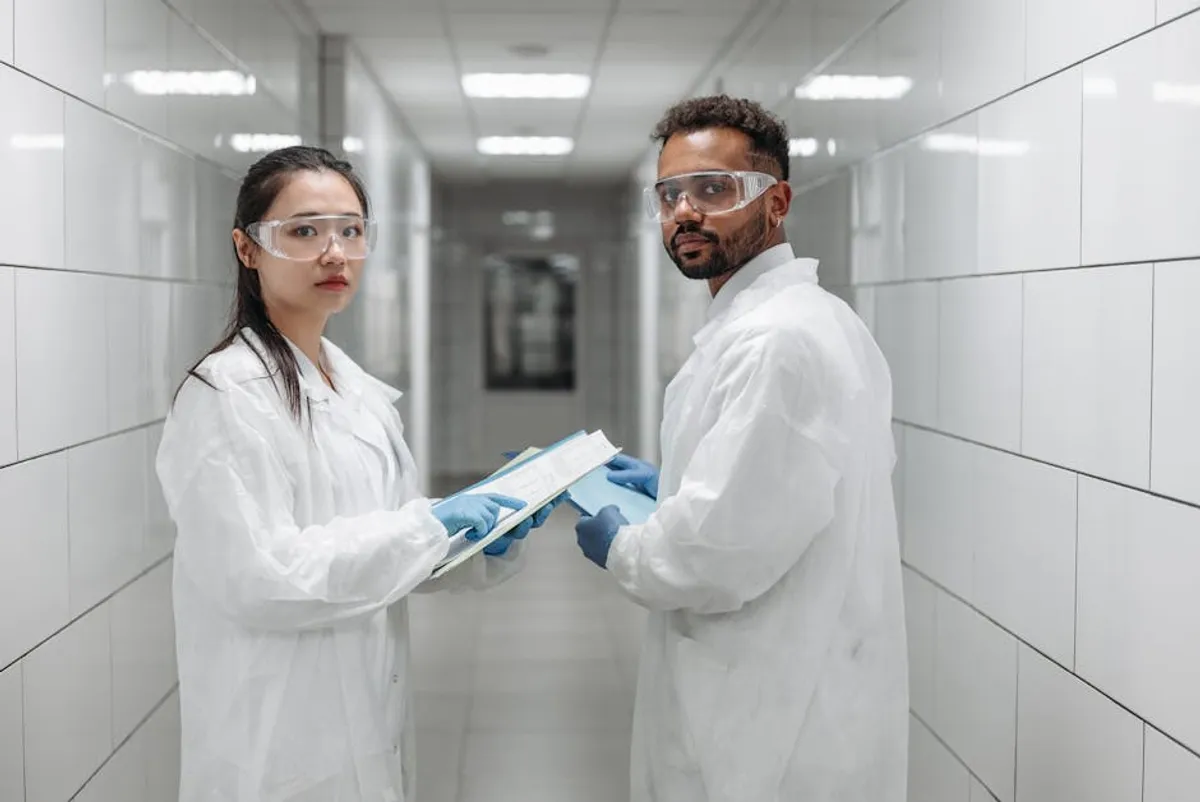
Ensuring laboratory safety for equipment users is not merely a compliance exercise; it is a critical operational imperative that directly impacts research integrity, staff retention, and financial liabilities. A robust safety checklist transforms abstract guidelines into actionable steps, reducing the potential for accidents, equipment damage, and costly operational downtime. For any organization managing a laboratory environment, implementing a clear, comprehensive checklist minimizes human error, standardizes procedures, and fosters a proactive safety culture, protecting both personnel and valuable assets.
Pre-Operational Equipment Verification
Before any laboratory equipment is powered on or utilized, a systematic check ensures that both the apparatus and its immediate environment are prepared for safe operation. This stage focuses on identifying and mitigating risks before they can escalate.
Condition Assessment and Calibration
Visually inspect all equipment for signs of damage, such as frayed cables, leaks, or loose components. Confirm that all safety guards and interlocks are in place and functioning correctly. For instruments requiring precise measurements, verify the calibration status against established standards. Out-of-calibration equipment can lead to inaccurate data, compromising experimental results and potentially creating hazardous conditions if parameters are misread.
Workspace Readiness
Confirm the work area around the equipment is clear of obstructions, spills, or unnecessary materials. Ensure adequate ventilation is available, especially for equipment that generates heat, fumes, or aerosols. Check that emergency stop buttons are accessible and clearly marked. Proper workspace organization prevents accidental contact with hot surfaces, electrical hazards, or chemical spills.
Personal Protective Equipment (PPE) Confirmation
Before initiating any task, confirm that the appropriate personal protective equipment (PPE) is available, in good condition, and correctly worn by all individuals in the vicinity. This includes safety goggles, lab coats, gloves, and specialized respirators or hearing protection as dictated by the specific equipment and procedure. Inadequate or damaged PPE renders users vulnerable to chemical exposure, physical injury, or biohazards.
Operational Safety Protocols
During equipment operation, adherence to established protocols is paramount. These steps ensure that equipment is used within its designed parameters and that personnel remain protected throughout the process.
Following Manufacturer Guidelines
Strictly adhere to the manufacturer's operational manual for each piece of equipment. This includes understanding power requirements, maximum load capacities, permissible temperatures, and specific operational sequences. Deviating from these guidelines can lead to equipment malfunction, premature wear, or catastrophic failure, often voiding warranties and incurring significant repair costs.
Monitoring and Control
Continuously monitor equipment during operation for any unusual noises, vibrations, smells, or temperature fluctuations. These can be early indicators of impending mechanical failure or electrical issues. Understand the location and function of all emergency shut-off mechanisms and be prepared to activate them immediately if an anomaly is detected. Prompt intervention can prevent minor issues from escalating into major incidents.
Pro Tip: Implement a "two-person rule" for high-risk equipment operation. Having a second trained individual present can provide an additional layer of oversight, assist in emergency response, and ensure protocols are followed meticulously, significantly reducing the likelihood of critical errors.
Post-Operational Procedures
The safety process extends beyond active use, encompassing proper shutdown, cleaning, and storage to maintain equipment integrity and prepare for future use.
Safe Shutdown and Disconnection
Follow specific shutdown procedures outlined by the manufacturer. This often involves gradual cooling cycles, sequential power-downs, and proper venting. Disconnect power supplies only after confirming the equipment is completely off and cooled. Rushing this step can damage sensitive components or expose users to residual energy hazards.
Cleaning and Decontamination
Clean and decontaminate equipment immediately after use, following established protocols for chemical, biological, or radiological residues. Use appropriate cleaning agents and PPE. Improper cleaning can lead to cross-contamination, material degradation, or expose subsequent users to hazardous substances. Ensure all waste generated during cleaning is disposed of according to regulatory guidelines.
Storage and Documentation
Store equipment in its designated location, ensuring it is secured and protected from damage. Document any maintenance performed, issues encountered, or repairs needed in an equipment log. This record-keeping is crucial for tracking equipment health, scheduling preventative maintenance, and ensuring compliance with safety audits.
- Verify power supply is disconnected.
- Clean all surfaces with appropriate agents.
- Inspect for new wear or damage.
- Return accessories to designated storage.
- Log usage, cleaning, and any observations.
- Report any malfunctions or concerns immediately.
Emergency Preparedness and Training
Even with rigorous checklists, unforeseen events can occur. Preparedness through clear emergency procedures and continuous training is vital for effective response.
Emergency Response Protocols
Ensure all personnel are familiar with emergency response protocols, including the location of fire extinguishers, eyewash stations, safety showers, and first-aid kits. Clearly posted instructions for chemical spills, fires, and medical emergencies should be visible and understood. Regular drills reinforce these procedures, enabling rapid and coordinated action when needed.
Continuous Training and Refreshers
Safety is an ongoing commitment. Regular training sessions for new equipment, updated protocols, and refresher courses for existing procedures are essential. Document all training, including topics covered and attendee participation. This ensures that all equipment users possess the most current knowledge and skills required for safe laboratory operations, minimizing risks associated with outdated information or complacency.
Cultivating a Proactive Safety Culture
Implementing a comprehensive laboratory safety checklist for equipment users is a foundational step toward a safer operational environment. Beyond the procedural aspects, its consistent application instills a culture where safety is prioritized, understood, and actively maintained by every individual. This proactive approach not only prevents incidents but also enhances operational efficiency, protects valuable research, and ensures the long-term well-being of all laboratory personnel. Regular review and adaptation of these checklists, informed by incident reports and evolving best practices, are crucial for sustained effectiveness.
Frequently Asked Questions
Why is a laboratory safety checklist important for equipment users?
A safety checklist standardizes procedures, reduces human error, and ensures critical steps are not overlooked, directly preventing accidents, equipment damage, and potential injuries. It also serves as a documented record of compliance.
How often should equipment safety checklists be reviewed or updated?
Checklists should be reviewed annually, or more frequently if new equipment is introduced, procedures change, or an incident occurs. Regular reviews ensure they remain relevant and effective.
Who is responsible for ensuring equipment safety in a laboratory?
While laboratory management is ultimately responsible for establishing safety policies, every equipment user shares responsibility for adhering to checklists, reporting hazards, and participating in safety training.
Can a single checklist apply to all laboratory equipment?
No, a general checklist provides a framework, but specific equipment often requires tailored checklists due to unique operational hazards, maintenance requirements, or safety features. Generic checklists risk overlooking critical details.