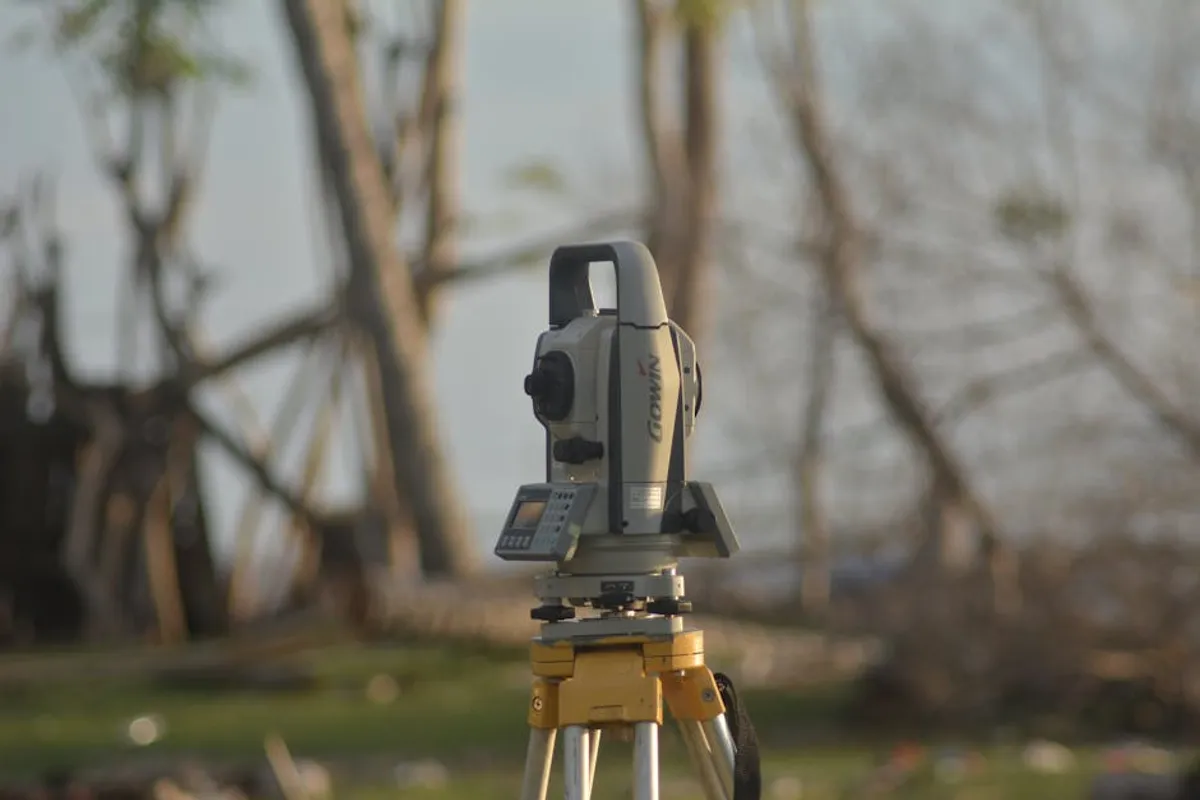
For sites operating within the precision instruments and technical work sectors, the strategic release of articles is not merely a marketing task but a critical component of establishing authority, disseminating technical knowledge, and influencing purchasing decisions. The search traffic generated by such content often reflects deep user intent, moving from initial research to specific product or solution investigation. Understanding how these sites approach "article release" from an SEO perspective involves dissecting their content categories, the specific audience segments they target, and the mechanisms through which their technical expertise translates into organic visibility.
What Sites in Precision Instruments and Technical Work Appear to Cover Regarding Article Release
Sites specializing in precision instruments and technical work typically structure their "article release" around several core content categories. These often include new product announcements, detailing specifications, performance benchmarks, and target applications. Another significant category focuses on technical application notes and case studies, illustrating how specific instruments solve complex problems in fields like aerospace, medical diagnostics, or advanced manufacturing. Research papers, whitepapers, and scientific publications also form a crucial part of their article portfolio, often showcasing internal R&D efforts, collaborations with academic institutions, or contributions to industry standards. Furthermore, many sites publish thought leadership pieces that analyze market trends, emerging technologies (e.g., AI integration in metrology, advanced sensor development), and regulatory changes impacting their sector. Educational content, explaining fundamental principles of measurement, calibration, or specific instrument operation, serves to onboard new users and reinforce brand expertise. Each of these content types is designed to address a particular stage of the technical buyer's journey, from initial problem identification to solution evaluation.
Where Their Search Traffic May Come From
Organic search traffic for sites in the precision instruments and technical work niche is often driven by highly specific, long-tail keywords. Users typically employ precise terminology when searching for technical solutions, such as "high-resolution mass spectrometer for proteomics," "industrial IoT sensor calibration procedures," or "sub-micron precision measurement tools." Traffic originates from professionals actively seeking solutions to technical challenges, comparing instrument specifications, or researching best practices for specific applications. These sites often see significant traffic from informational queries related to technical definitions, industry standards (e.g., ISO certifications for measurement), and scientific methodologies. Commercial investigation queries, such as comparisons between different instrument models or requests for specific application data, also contribute substantially. The search visibility of these articles is heavily reliant on their technical accuracy, the authority of the publishing domain, and the depth of information provided, signaling expertise and trustworthiness to search engines.
Search Intent Behind the Subject
The search intent behind queries related to precision instruments and technical work is predominantly informational and commercial investigational. Users are often engineers, scientists, researchers, or procurement specialists who require detailed, accurate data to make informed decisions. Informational intent manifests when users search for "principles of optical metrology," "advantages of non-contact measurement," or "understanding sensor drift." They are seeking to expand their knowledge base or understand foundational concepts. Commercial investigational intent is evident in searches like "compare [brand A] vs [brand B] spectrum analyzer," "best practices for cleanroom instrumentation," or "specification sheet for [specific instrument model]." These users are actively evaluating potential solutions and require comprehensive technical documentation, performance data, and application examples. A smaller but critical segment exhibits transactional intent, often arriving after extensive research, looking for "request a quote for [instrument]" or "buy [specific component]." The "article release" strategy must cater to this spectrum, providing content that guides users through their research process.
Why Traffic May Rise or Fall
Organic traffic for sites in the precision instruments and technical work sector can fluctuate based on several factors related to their "article release" strategy. Traffic typically rises when new, innovative products are launched with detailed technical articles and specifications, addressing unmet market needs. Contributions to significant scientific breakthroughs or industry-standard developments, published as authoritative articles, can also drive substantial visibility and inbound links. Aligning content with emerging technological trends (e.g., AI in quality control, advanced materials characterization) and providing expert analysis on these topics can attract new audiences. Conversely, traffic may fall if technical articles become outdated, failing to reflect the latest advancements or regulatory changes. A lack of consistent content updates, particularly for foundational topics or product lines, can signal declining relevance to search engines. Furthermore, if competitors release more comprehensive, authoritative, or user-friendly technical documentation, a site's visibility for key terms may diminish. The perceived authority and expertise of the content authors, often tied to their credentials and industry recognition, also play a significant role in sustaining or losing search visibility.
How the Site Could Improve Organic Visibility
To enhance organic visibility for "article release" content, sites in the precision instruments and technical work domain should focus on several key areas. Implementing structured data markup (e.g., Schema.org for scientific articles, products, and organizations) can help search engines better understand and present their technical content. Creating comprehensive content hubs around core instrument technologies or application areas allows for robust internal linking and establishes topical authority. Prioritizing long-tail keyword research, focusing on the specific problems and technical queries their target audience uses, will ensure content directly addresses user needs. Cultivating a strong backlink profile from reputable academic institutions, industry associations, and scientific publications is crucial for signaling expertise and trustworthiness. Regularly updating and expanding existing technical articles with the latest data, research, and product iterations ensures content remains current and valuable. Furthermore, ensuring articles are written by credentialed experts, with clear author bios and affiliations, bolsters E-A-T (Expertise, Authoritativeness, Trustworthiness) signals, which are paramount in this highly specialized niche.
What to Check Before Trusting Traffic Estimates
When evaluating traffic estimates for sites publishing articles on precision instruments and technical work, it is essential to consider the specialized nature of the industry. Generic traffic estimation tools may significantly underestimate or misinterpret the true value of organic visibility in this niche. The audience is often small but highly influential and has substantial purchasing power, meaning lower traffic volumes can still translate to high commercial impact. It is important to verify that any traffic estimates account for the highly specific, low-volume, high-intent keywords that drive conversions in this sector. Furthermore, a significant portion of valuable traffic may come from direct referrals within technical documents, industry forums, or internal company networks, which traditional SEO tools might not fully capture. Focus should be placed on the quality and relevance of the traffic rather than sheer volume, assessing whether the estimated visitors align with the target audience of engineers, scientists, and procurement professionals.
FAQ:
What types of "article release" are most effective for precision instrument companies?
The most effective "article release" types include detailed technical whitepapers, application notes showcasing specific problem-solving, comparative product performance articles, and research papers contributing to scientific knowledge. Each serves to establish expertise and inform highly technical audiences.
How does technical depth impact SEO for this industry?
Technical depth is paramount for SEO in this industry; shallow content will not rank for specialized queries. Comprehensive, data-rich articles that include schematics, methodologies, and scientific references signal authority and relevance to both users and search engines, attracting high-intent traffic.
What role do industry standards and regulations play in content strategy?
Industry standards (e.g., ISO, ASTM) and regulations are critical content topics. Articles that explain compliance, demonstrate adherence, or interpret new regulatory changes position the site as a knowledgeable and trustworthy resource, attracting professionals seeking authoritative guidance.
How can these sites measure the success of their content?
Success can be measured beyond raw traffic by tracking metrics such as downloads of whitepapers, requests for product demos or quotes, time spent on technical pages, engagement with interactive data, and the acquisition of high-quality backlinks from academic or industry sources.