
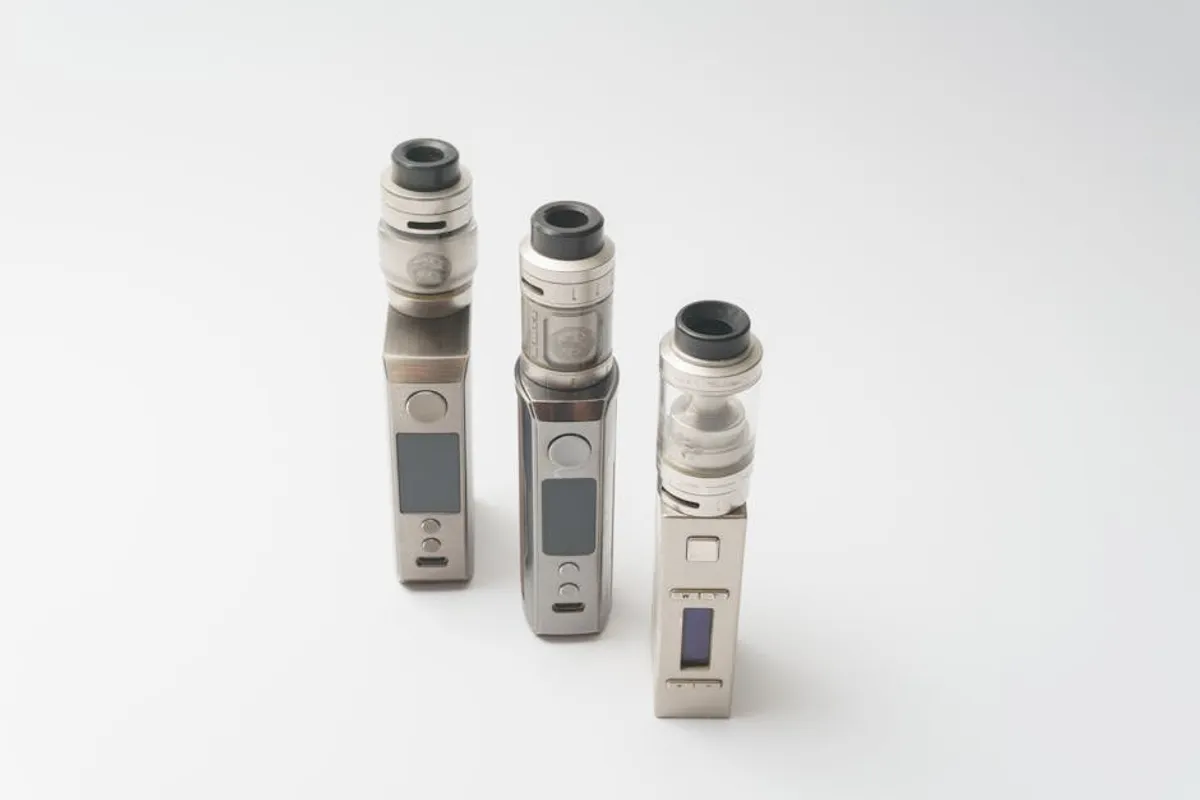
Analyzing a domain like Vapeloom from a search traffic perspective involves dissecting its content strategy, audience engagement, and potential for organic growth. The name itself suggests a focus within the vaping industry, likely encompassing product information, usage guides, and community-oriented content. Understanding the types of queries users employ when searching for information related to "Vapeloom" or its niche is crucial for identifying its current search visibility and future opportunities. This analysis aims to outline Vapeloom's probable content clusters, the reader intent it addresses, and strategic avenues for improving its organic footprint.
What Vapeloom Appears to Cover
Given its name, Vapeloom likely publishes content centered around vaping products, accessories, and related lifestyle or educational topics. This would typically include detailed product descriptions and specifications for various devices, e-liquids, and components. Content categories could extend to beginner's guides explaining how to start vaping, maintenance tips for devices, and troubleshooting common issues. The site might also feature articles discussing the nuances of different flavor profiles, nicotine strengths, and device technologies, catering to both novices and experienced users.
Topic clusters would naturally form around specific product lines (e.g., "pod systems," "box mods," "disposable vapes"), usage scenarios ("vaping for beginners," "advanced coil building"), and safety or regulatory information ("vaping health considerations," "local vaping laws"). Comparisons between different brands or product types are also common content forms in this niche, helping users make informed decisions. Furthermore, Vapeloom could host content related to community aspects, such as forum discussions, user reviews, or articles on vaping culture and trends.
Where Its Search Traffic May Come From
Vapeloom's organic search traffic would likely originate from a mix of informational, navigational, and commercial queries. Informational searches could include terms like "how to clean a vape tank," "best e-liquid flavors," or "what is sub-ohm vaping." These users seek knowledge and guidance, and Vapeloom's content would serve to educate them, establishing authority within the niche.
Navigational traffic might come from branded searches for "Vapeloom" itself, or specific product names if the site features exclusive items or well-known brands. Commercial investigation queries would involve users comparing products, such as "Vapeloom vs. [competitor device]" or "reviews of [specific vape mod]." These users are closer to a purchase decision and are looking for detailed evaluations or recommendations. Long-tail keywords, which are more specific and often less competitive, would also be a significant source, capturing niche interests like "troubleshooting vape battery not charging" or "best fruit-flavored e-liquids for MTL."
Search Intent Behind the Subject
The content Vapeloom provides aims to satisfy several distinct search intents. Users with informational intent seek answers to questions, understanding how products work, or learning about the broader topic. Vapeloom addresses this with guides, tutorials, and explanatory articles. Commercial investigation intent is met by content that compares products, offers reviews, or discusses the pros and cons of different options, helping users research before making a choice. For instance, articles evaluating "the best starter vape kits" or "differences between salt nic and freebase e-liquids" directly serve this intent.
Transactional intent is fulfilled when users are ready to make a purchase. While this analysis focuses on content, the presence of product pages with clear descriptions and calls to action would cater to this. Finally, navigational intent is primarily for users looking specifically for Vapeloom or a particular section of its site, often driven by prior knowledge or brand recognition. The site's content structure and internal linking play a role in guiding these users effectively.
Why Traffic May Rise or Fall
Vapeloom's organic traffic fluctuations are influenced by several factors inherent to the search ecosystem. A rise in traffic could stem from successful content updates that align with new search trends, improved rankings for high-volume keywords, or the expansion into underserved long-tail topics. Positive shifts in search engine algorithms that favor comprehensive, authoritative content can also boost visibility. The consistent publication of fresh, relevant articles that address emerging product categories or user questions would also contribute to growth.
Conversely, traffic might decline due to increased competition, where other sites begin to outrank Vapeloom for key terms. Algorithm updates that de-prioritize certain content types or site characteristics could also negatively impact performance. Content decay, where older articles become outdated or less relevant, can lead to a gradual drop in rankings. Furthermore, changes in search behavior or product popularity within the vaping niche can shift demand away from Vapeloom's existing content, necessitating continuous adaptation of its content strategy.
How the Site Could Improve Organic Visibility
To enhance organic visibility, Vapeloom could focus on several strategic areas. A thorough content audit would identify existing articles that could be updated, expanded, or consolidated to improve their depth and relevance. Developing comprehensive pillar pages for broad topics like "vape device types" or "e-liquid ingredients," then linking to detailed cluster content, would establish stronger topical authority. Implementing schema markup for product reviews, FAQs, and how-to guides could also improve rich snippet visibility in search results, attracting more clicks.
Further, conducting in-depth keyword research to uncover emerging long-tail opportunities and user questions that are not yet adequately addressed on the site would allow Vapeloom to capture new audiences. Optimizing site speed and ensuring mobile-friendliness are foundational technical SEO improvements that directly impact user experience and search rankings. Building a robust internal linking structure, where relevant articles link to each other, helps distribute link equity and guides users through related content, signaling content depth to search engines.
What to Check Before Trusting Traffic Estimates
When evaluating third-party traffic estimates for any domain, including Vapeloom, it is crucial to approach the data with a critical eye. These estimates are often based on sampled data and algorithmic projections, which can introduce inaccuracies. Factors such as the tool's data sources, the frequency of its data refreshes, and its methodology for keyword volume estimation all influence the reliability of the figures. Small or niche sites, in particular, may have less accurate estimates due to lower data availability for sampling.
It is advisable to use such estimates as directional indicators rather than absolute truths. Cross-referencing data from multiple sources, if available, can help identify discrepancies and provide a more balanced perspective. Ultimately, direct access to a site's internal analytics remains the most accurate way to understand its true organic performance.
Frequently Asked Questions About Vapeloom's Search Presence
What kind of user questions does Vapeloom's content typically answer?
Vapeloom's content likely addresses questions ranging from basic product functionality ("how to fill a vape pod") and maintenance ("best way to clean vape coils") to more advanced topics like device customization, e-liquid composition, and comparisons between different vaping methods.
How might Vapeloom attract users looking for alternatives to specific products?
The site would attract these users through comparison articles, "best of" lists, and detailed reviews that highlight the pros and cons of various products, implicitly or explicitly offering alternatives based on features, price, or user experience.
What role does content depth play in Vapeloom's search visibility?
Content depth is critical for Vapeloom. Comprehensive articles that cover a topic thoroughly, incorporating detailed explanations, visuals, and supporting data, are more likely to rank well for complex queries and establish the site as an authoritative source in the niche.
Could Vapeloom benefit from content exploring regulatory aspects of vaping?
Yes, content addressing the evolving regulatory landscape, legal considerations, and safety guidelines related to vaping could attract a significant audience seeking reliable, up-to-date information, positioning Vapeloom as a trusted educational resource.



