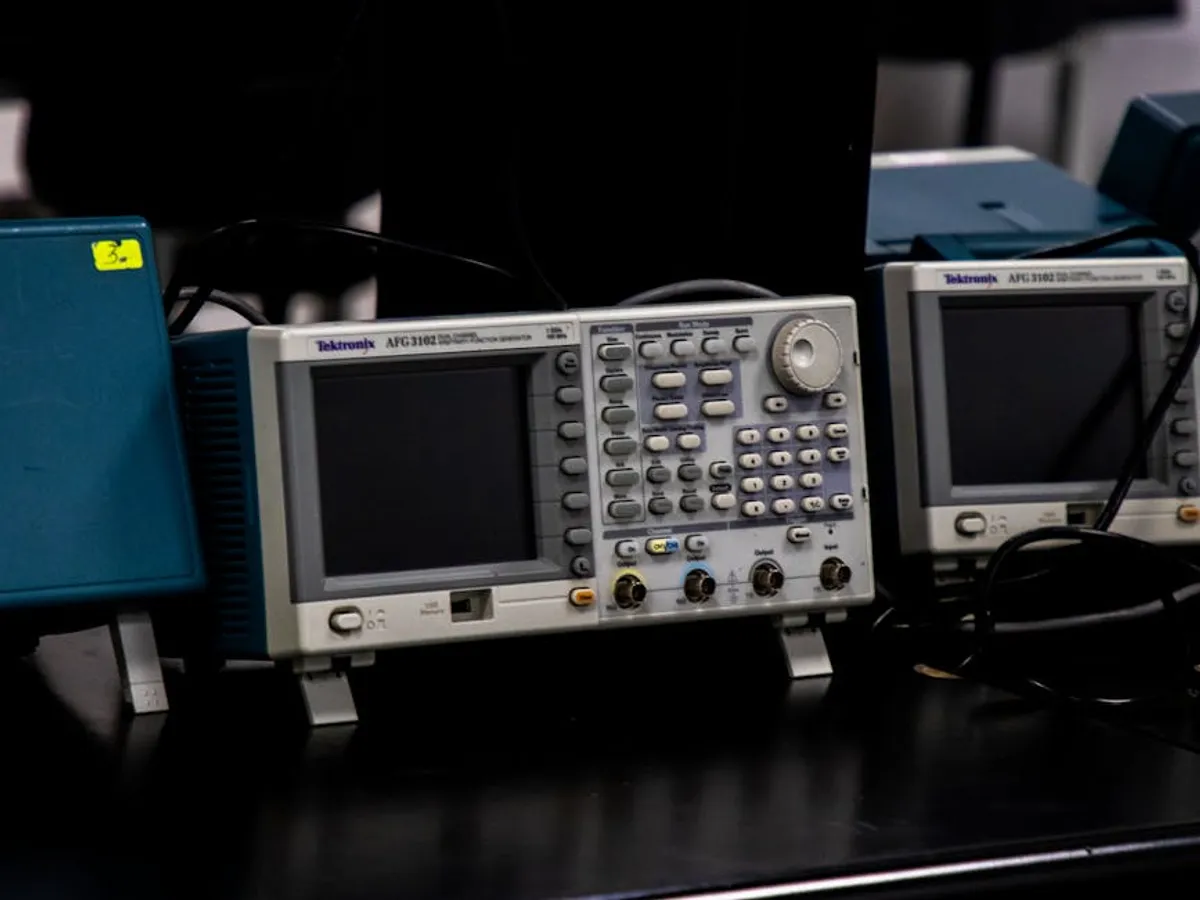
Instrument calibration is a fundamental process in any operation relying on precise measurements. It is not merely a technical task but a critical component of quality assurance, regulatory compliance, and operational efficiency. The core challenge for businesses lies in understanding what calibration entails and, crucially, how often it needs to be performed to maintain accuracy without incurring unnecessary costs or downtime. Establishing an appropriate calibration schedule directly impacts product quality, safety, and financial performance, making it a decision that balances technical requirements with business realities.
Understanding Instrument Calibration
At its core, instrument calibration is the process of comparing the output of a measurement device against a known standard. This comparison determines the accuracy of the instrument and its deviation from the true value. It's a verification process, not inherently an adjustment. When an instrument is calibrated, its readings are recorded and compared to a reference standard with a known, higher accuracy. This establishes a traceable link to national or international standards, ensuring that measurements are consistent and reliable across different instruments and locations.
The purpose extends beyond simple accuracy checks. Calibration ensures:
- Reliability: Consistent and repeatable measurements over time.
- Compliance: Meeting industry-specific regulatory requirements (e.g., ISO 9001, FDA, aerospace standards).
- Safety: Preventing hazardous conditions caused by inaccurate readings in critical processes.
- Quality Control: Ensuring products and processes meet specified tolerances and standards, reducing waste and rework.
- Cost Efficiency: Avoiding expensive errors, product recalls, or legal liabilities stemming from faulty measurements.
It is important to distinguish calibration from adjustment. Calibration identifies and quantifies errors; adjustment corrects them. An instrument may be adjusted during or after calibration if its readings fall outside acceptable tolerances, but the primary calibration process is about documenting the 'as found' and 'as left' states of the instrument.
Why Calibration Frequency Is a Critical Business Decision
Determining how often to calibrate an instrument is a balance between risk and cost. Calibrating too infrequently can lead to significant problems:
- Production of non-conforming products.
- Increased risk of equipment failure or safety incidents.
- Regulatory non-compliance, resulting in fines or operational shutdowns.
- Loss of customer trust due to inconsistent product quality.
- Inaccurate data for research, development, or quality reporting.
Conversely, calibrating too frequently incurs unnecessary expenses. Each calibration involves costs for labor, external services, potential instrument downtime, and administrative overhead. An optimal frequency minimizes these costs while maximizing measurement reliability and compliance.
Factors Influencing Calibration Frequency
There is no universal "one-size-fits-all" answer for calibration frequency. Several factors dictate how often an instrument requires attention:
Instrument Type and Criticality
Instruments used for critical measurements, where accuracy directly impacts safety, product quality, or regulatory compliance, typically require more frequent calibration. High-precision devices with tight tolerances also fall into this category. Less critical instruments, where minor deviations have negligible impact, can often be calibrated less frequently.
Manufacturer Recommendations
Instrument manufacturers provide initial calibration interval recommendations. These are a good starting point, based on the instrument's design, stability, and intended use. However, these are general guidelines and may need adjustment based on real-world operational conditions.
Usage Intensity and Environment
Instruments used frequently or in harsh environments (e.g., extreme temperatures, high humidity, vibration, dust, corrosive atmospheres) tend to drift out of tolerance faster than those used intermittently or in controlled conditions. Increased wear and tear necessitate more frequent checks.
Regulatory Requirements and Industry Standards
Many industries operate under strict regulatory frameworks (e.g., pharmaceutical, aerospace, food and beverage). These regulations often mandate specific calibration intervals or require a documented rationale for chosen frequencies, such as those outlined by ISO standards (e.g., ISO 17025 for calibration laboratories, ISO 9001 for quality management systems).
Historical Data and Drift Analysis
Tracking an instrument's performance over time—its "drift" or tendency to deviate from accurate readings—provides the most robust basis for setting calibration intervals. If an instrument consistently holds its calibration for extended periods, intervals can potentially be lengthened. Conversely, if it frequently drifts out of tolerance, more frequent calibration is warranted. This data-driven approach is often called "calibration recall" or "stability monitoring."
Measurement Uncertainty Requirements
The acceptable level of uncertainty for a given measurement directly influences calibration frequency. Applications requiring very low measurement uncertainty will demand more frequent calibration to ensure the instrument stays within its specified performance envelope.
Pro Tip: Maintain comprehensive calibration records for every instrument. This includes 'as found' and 'as left' data, calibration dates, next due dates, and the standards used. This documentation is crucial for demonstrating compliance during audits and for performing drift analysis to optimize future calibration schedules.
Establishing a Calibration Management Program
Effective calibration management is an ongoing process, not a one-off task. It involves establishing a systematic approach to ensure all measurement instruments maintain their required accuracy. This includes:
- Inventory Management: A complete and accurate list of all instruments requiring calibration.
- Risk Assessment: Evaluating the potential impact of inaccurate measurements for each instrument.
- Interval Determination: Using a combination of manufacturer recommendations, regulatory requirements, historical data, and criticality to set initial calibration frequencies.
- Scheduling and Tracking: Implementing a system to schedule calibrations and track due dates.
- Documentation: Maintaining detailed records of all calibration activities.
- Review and Adjustment: Periodically reviewing calibration data and adjusting frequencies as needed based on observed instrument stability and operational changes.
By implementing a structured calibration management program, organizations can ensure the reliability of their measurements, meet compliance obligations, and optimize operational costs, ultimately safeguarding product quality and operational integrity.
Frequently Asked Questions
What happens if an instrument is not calibrated?
Uncalibrated instruments can lead to inaccurate measurements, resulting in product defects, safety hazards, regulatory non-compliance, increased waste, and significant financial losses due to rework, recalls, or fines.
Is calibration the same as adjustment?
No. Calibration is the process of comparing an instrument's readings to a known standard to determine its accuracy. Adjustment is the act of bringing an instrument back into tolerance if it is found to be inaccurate during calibration.
How long does a calibration typically last?
The duration of a calibration's validity varies significantly based on factors such as instrument type, usage frequency, environmental conditions, and criticality. It can range from a few months to several years, determined by a detailed calibration management program.
Who can perform instrument calibration?
Calibration can be performed by in-house technicians trained to use reference standards, or by accredited third-party calibration laboratories. For critical instruments, using an ISO 17025 accredited laboratory ensures traceability and competence.