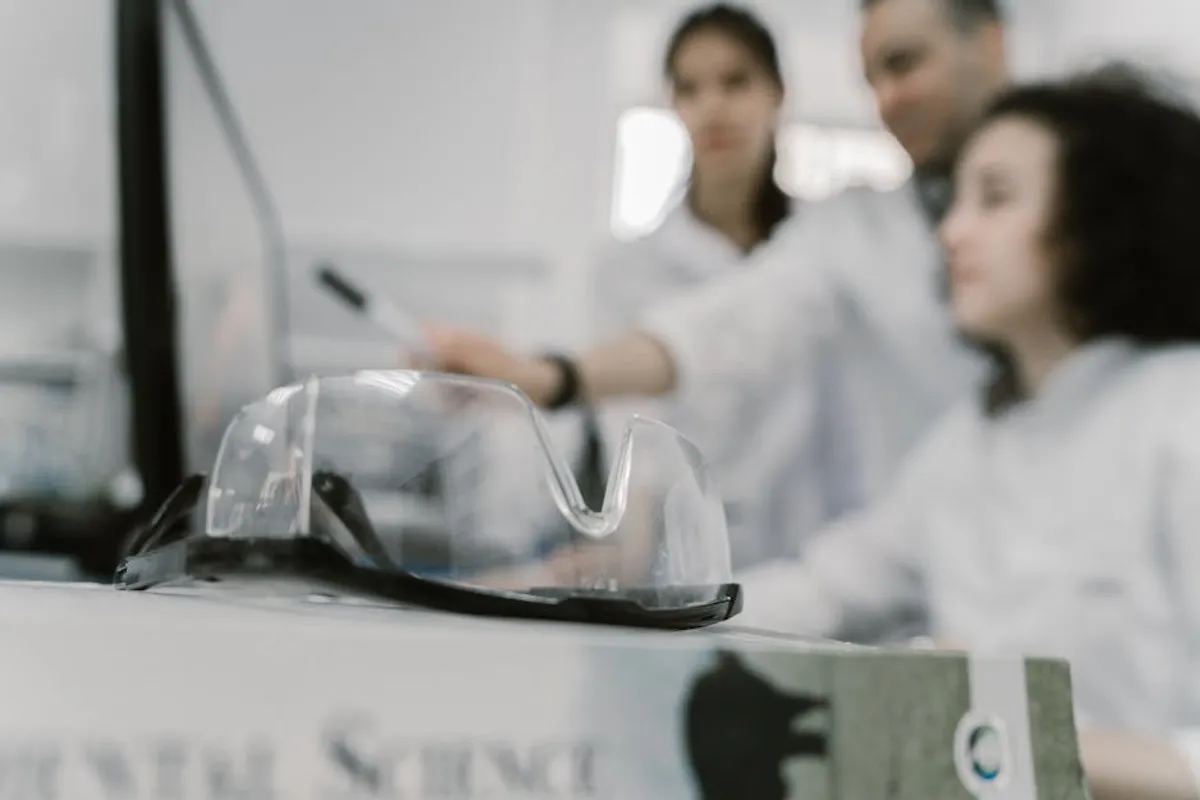
Establishing and maintaining a robust lab safety protocol begins with a meticulously curated equipment checklist. For research teams, this isn't merely a procedural formality; it is the foundational layer for protecting personnel, preserving experimental integrity, and ensuring regulatory adherence. A comprehensive checklist systematically addresses potential hazards, from chemical spills and biological exposures to mechanical failures and fire risks, by specifying the necessary tools and gear. Its utility extends beyond initial setup, serving as an ongoing audit instrument to confirm equipment presence, functionality, and accessibility, thereby mitigating risks proactively rather than reactively. This systematic approach ensures all necessary safety items are accounted for, making a detailed equipment checklist indispensable for research teams.
Essential Personal Protective Equipment (PPE)
PPE forms the primary barrier between researchers and potential hazards. Its selection must be specific to the agents and processes involved in a given research area, ensuring adequate protection without impeding necessary dexterity or vision. Regular inspection and replacement are critical, as compromised PPE offers a false sense of security.
Eye and Face Protection
- Safety Glasses: Designed to protect against impact from flying particles. They must meet ANSI Z87.1 standards.
- Goggles: Offer a tighter seal around the eyes, protecting against splashes, dust, and fine particulates. Vented goggles are suitable for general use, while non-vented or indirectly vented options are necessary for chemical splash protection.
- Face Shields: Provide full-face protection from splashes, sprays, and moderate impact. Always worn in conjunction with safety glasses or goggles for primary eye protection.
Hand Protection
Gloves are selected based on the specific chemical, biological, or physical hazards encountered. No single glove material provides universal protection.
- Nitrile Gloves: Common for general lab work, offering good resistance to many chemicals, punctures, and biological agents. Latex-free.
- Latex Gloves: Provide good dexterity and tactile sensitivity, but can cause allergic reactions. Less chemical resistant than nitrile for some solvents.
- Neoprene Gloves: Offer broader chemical resistance than nitrile or latex, suitable for handling aggressive solvents and acids.
- Insulated Gloves: Required for handling extremely hot or cold materials (e.g., liquid nitrogen).
Body and Foot Protection
These items shield the torso and feet from spills, splashes, and physical hazards.
- Lab Coats: Typically made of cotton or flame-resistant synthetic blends, providing a barrier against minor splashes and contamination. Should be knee-length with long sleeves.
- Aprons: Chemical-resistant aprons (e.g., neoprene, PVC) are essential when handling corrosive or highly toxic substances.
- Closed-Toe Shoes: Mandatory in all lab environments to protect against spills and falling objects. Slip-resistant soles are advisable.
Emergency Response and Containment Gear
Immediate access to emergency equipment is non-negotiable. This category includes tools for rapid hazard mitigation and personnel decontamination following an incident.
Fire Safety Equipment
- Fire Extinguishers: Must be appropriately rated (e.g., ABC for general lab fires, D for combustible metals) and regularly inspected. Personnel must be trained in their use.
- Fire Blankets: Useful for smothering small fires on clothing or benches, but not for large fires.
- Emergency Showers and Eyewash Stations: Strategically located, clearly marked, and unobstructed. Must deliver tepid water for at least 15 minutes. Regular flushing is required to prevent stagnant water and microbial growth.
Spill Response Kits
Tailored kits are crucial for managing chemical, biological, and radioactive spills efficiently and safely.
Chemical Spill Kits: Contain absorbents (e.g., pads, pillows, granular absorbents), neutralizing agents (for acids/bases), disposal bags, appropriate PPE (heavy-duty gloves, goggles), and instructions.
Biological Spill Kits: Include disinfectants (e.g., bleach solution), absorbent materials, biohazard bags, forceps, and PPE.
Pro Tip: Conduct quarterly drills for emergency showers and eyewash stations. This verifies functionality, clears stagnant water from lines, and reinforces user familiarity, ensuring rapid, effective response during actual emergencies. Document each drill thoroughly.
Hazard Communication and Safety Signage
Clear, unambiguous communication of hazards and safety protocols is vital for all lab occupants and visitors. This includes both permanent fixtures and temporary warnings.
Labeling and Signage
- Chemical Labels: All chemical containers must be clearly labeled with substance identity, hazard warnings (e.g., GHS pictograms), and appropriate handling precautions.
- Safety Data Sheets (SDS): Readily accessible for all chemicals present in the lab, providing detailed information on hazards, safe handling, emergency procedures, and first aid.
- Emergency Contact Information: Posted prominently near exits and phones, including internal emergency numbers and external services.
- Biohazard/Radioactive Material Signs: Used to demarcate areas, equipment, or waste containing biological agents or radioactive isotopes.
Ventilation and Fume Hoods
Proper ventilation systems protect against airborne contaminants.
- Fume Hoods: Critical for operations involving volatile chemicals or hazardous fumes. Must be regularly certified for proper airflow (face velocity). Sash height indicators and alarms are essential.
- Biological Safety Cabinets (BSCs): Used for work with biological agents, providing personnel, product, and environmental protection. Must be certified annually.
First Aid and Medical Preparedness
Even with stringent safety measures, accidents can occur. A well-stocked and accessible first aid station, coupled with trained personnel, is fundamental.
First Aid Kits
Kits should be regularly inventoried and restocked. Contents typically include:
- Sterile bandages and dressings of various sizes
- Antiseptic wipes and solutions
- Adhesive tape
- Scissors and tweezers
- Pain relievers
- Burn gel
- Eye wash solution (for minor irritations)
- Gloves (non-latex)
- CPR barrier mask
Automated External Defibrillators (AEDs)
While not universally required, AEDs are increasingly recommended in larger facilities or those with many occupants. Personnel trained in CPR and AED use are essential if an AED is present.
Implementing Your Lab Safety Protocol
A comprehensive checklist is only effective when integrated into a broader safety management system. This involves regular training for all personnel on equipment location, proper use, and emergency procedures. Scheduled inspections of all safety equipment, including calibration of monitoring devices and verification of alarm systems, are paramount. Documentation of these activities provides a verifiable record of compliance and a foundation for continuous improvement in lab safety practices. The goal is to cultivate a proactive safety culture where every team member understands their role in maintaining a secure research environment.
Frequently Asked Questions
How often should lab safety equipment be inspected?
Fire extinguishers should be visually inspected monthly and professionally serviced annually. Eyewash stations and emergency showers require weekly flushing. Fume hoods and biological safety cabinets need annual certification. First aid kits should be checked monthly for expired items and to restock used supplies.
Who is responsible for maintaining the lab safety equipment checklist?
Ultimately, the Principal Investigator or Lab Manager is responsible for ensuring compliance. However, delegating specific inspection and maintenance tasks to trained lab personnel, with clear reporting structures, is common and effective. A designated safety officer often oversees the overall program.
What training is required for using lab safety equipment?
All lab personnel must receive initial and annual refresher training on general lab safety, including the location and proper use of PPE, emergency showers, eyewash stations, and fire extinguishers. Specific training is required for specialized equipment like fume hoods or biological safety cabinets, and for handling particular hazardous materials.