
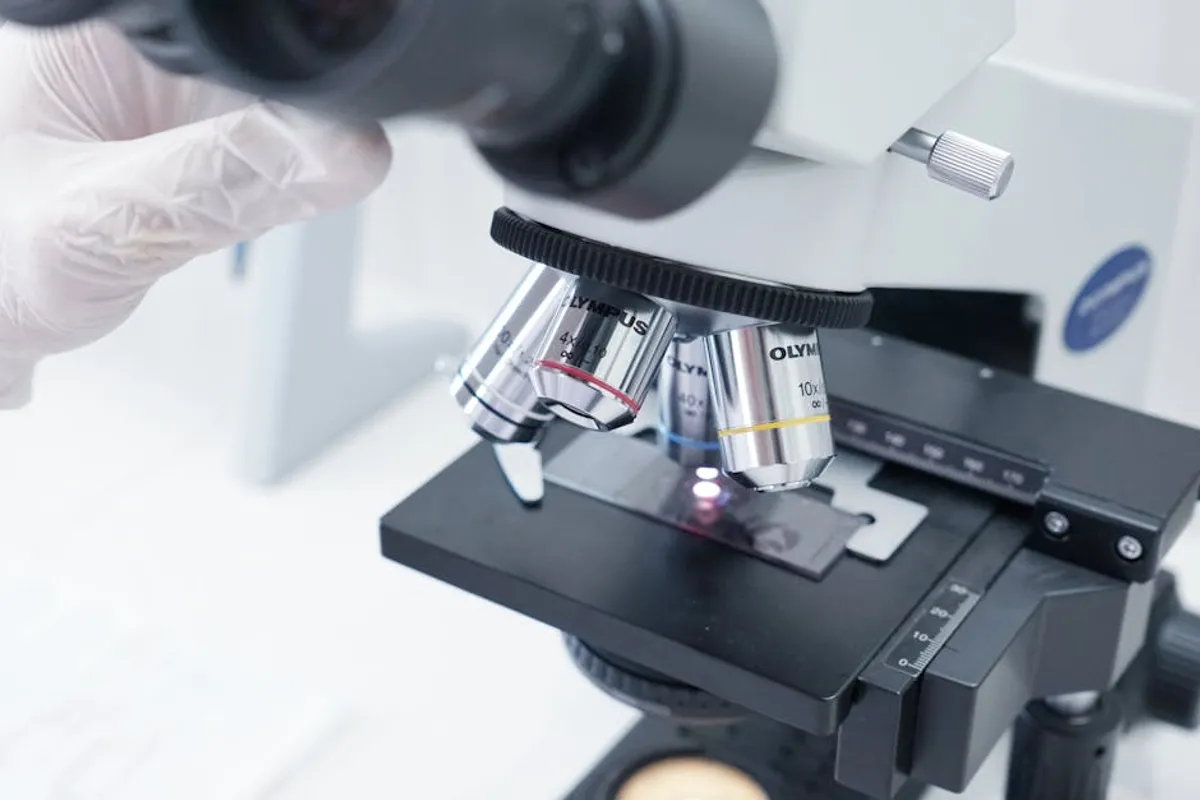
Establishing a new scientific laboratory represents a substantial investment, where early decisions regarding instrumentation directly influence operational efficiency, research integrity, and long-term financial viability. The process of acquiring scientific instruments extends beyond simply selecting a device; it involves a strategic assessment of current needs, future scalability, and the total cost of ownership. A methodical approach ensures that initial capital outlay translates into sustained research capability and reliable data generation, rather than unforeseen expenditures or operational bottlenecks.
Assessing Core Requirements for Instrument Acquisition
Defining Research Objectives and Throughput Needs
Before evaluating specific instruments, articulate the precise research questions your lab aims to address. This foundational step dictates the necessary analytical capabilities. Consider the types of experiments, the nature of samples (e.g., biological, chemical, material), and the required level of precision and sensitivity. High-throughput demands, for instance, necessitate automated systems with robust sample handling and rapid analysis cycles, often at a higher initial cost but yielding efficiency gains. Conversely, specialized, low-volume research might prioritize extreme accuracy or unique detection methodologies over speed. Documenting these specific requirements prevents over-specification, which leads to unnecessary expense, and under-specification, which limits research scope.
Budgetary Constraints and Total Cost Implications
Instrument procurement involves more than the sticker price. Develop a comprehensive budget that accounts for the instrument's acquisition cost, but also includes installation, calibration, software licenses, extended warranties, service contracts, and consumables. Factor in the long-term operational expenses such as power consumption, specialized gases, reagents, and maintenance. Explore options for refurbished equipment from reputable vendors, which can offer significant savings for certain instrument types without compromising performance, provided they come with verifiable service histories and warranties. For new labs, understanding the total cost of ownership (TCO) over a 5-10 year period is critical for sustainable financial planning. Regular maintenance is key to keeping measurements accurate over time and ensuring instrument longevity.
Evaluating Instrument Specifics and Operational Fit
Performance Metrics and Technical Specifications
Each instrument category possesses key performance indicators (KPIs) that directly impact research outcomes. For spectrophotometers, this might include wavelength range, spectral resolution, and photometric accuracy. For chromatographs, consider detection limits, separation efficiency, and reproducibility. Compare these specifications against your defined research needs. Look for instruments that offer:
- Precision: The degree of agreement among independent measurements under the same conditions.
- Accuracy: The closeness of a measured value to a standard or known value.
- Sensitivity: The smallest amount of analyte that can be reliably detected.
- Detection Limits: The lowest concentration of a substance that can be detected.
- Dynamic Range: The range over which the instrument provides a linear response.
- Throughput: The number of samples or analyses processed per unit time.
Do not solely rely on manufacturer-stated maximums; inquire about typical operating performance under realistic lab conditions and seek validation data.
Operational Footprint and Infrastructure Needs
Physical space, utility access, and environmental controls are often overlooked. Assess the instrument's dimensions, weight, and power requirements (voltage, amperage, phase). Determine if specialized plumbing, ventilation (e.g., fume hoods, exhaust systems), or compressed air lines are necessary. Some sensitive instruments require stable temperature and humidity environments, or vibration isolation tables. Ensure your lab's infrastructure can accommodate these demands, as retrofitting can be costly and disruptive. Consider the ergonomics for routine operation and maintenance access within your lab layout.
Software Integration and Data Management
Modern scientific instruments are deeply integrated with software for control, data acquisition, and analysis. Evaluate the software's user interface, compatibility with existing lab systems, and data export capabilities (e.g., CSV, XML, proprietary formats). Consider its ability to integrate with Laboratory Information Management Systems (LIMS) or Electronic Lab Notebooks (ELN) for streamlined data tracking and compliance. Assess the availability of software updates, security protocols, and long-term support from the vendor. Data storage, backup, and accessibility are crucial for research continuity and regulatory adherence.
Pro Tip: Always request a demonstration of the instrument with your specific sample types, if possible. This allows for a direct evaluation of its performance under conditions relevant to your lab, revealing practical considerations that might not be apparent from specifications alone. Pay close attention to ease of use, sample preparation requirements, and data processing workflow during the demo.
Vendor and Support Due Diligence
Vendor Reliability and Service Agreements
The vendor's reputation for reliability, responsiveness, and technical expertise is as important as the instrument itself. Research their track record for timely repairs, spare parts availability, and technical support. A robust service agreement can mitigate downtime and protect your investment. Clarify what the standard warranty covers, the typical response time for service calls, and the cost of extended service plans. Understand the availability of local service engineers and their expertise with the specific instrument model.
Training and Ongoing Support
Proper training is essential for maximizing instrument utility and minimizing user errors. Inquire about initial training programs for your staff, both on-site and remote. Assess the availability of ongoing technical support, including phone, email, and online resources. A vendor that provides comprehensive training and readily accessible support ensures your team can operate the instrument effectively and troubleshoot minor issues independently, reducing reliance on costly service calls.
Strategic Instrument Acquisition for Long-Term Success
Approaching scientific instrument procurement with a strategic mindset ensures that your new lab is not only equipped for immediate research needs but also positioned for future growth and evolving scientific demands. Prioritize instruments that offer versatility and modularity, allowing for upgrades or adaptations without requiring a complete system overhaul. Engage with fellow researchers and established labs to gather insights on instrument performance and vendor experiences. A well-planned acquisition strategy minimizes operational risks, optimizes resource allocation, and ultimately strengthens your lab's capacity for impactful scientific discovery.
Frequently Asked Questions
Is it always better for new labs to buy new equipment?
Not necessarily. While new equipment offers the latest technology and full warranties, refurbished instruments from reputable vendors can be a cost-effective alternative for certain applications, especially for labs with budget constraints or less demanding initial throughput. Ensure refurbished options come with verifiable service history and a comprehensive warranty. Refurbished instruments can benefit from better equipment maintenance strategies to extend their lifespan.
What is the most overlooked factor when purchasing scientific instruments?
The total cost of ownership (TCO) is frequently underestimated. This includes not just the purchase price, but also installation, calibration, consumables, service contracts, software licenses, and utility costs over the instrument's lifespan. Failing to account for TCO can lead to unexpected budget overruns.
How important is software integration for new lab instruments?
Software integration is critical. Modern labs rely on seamless data flow between instruments, LIMS, and ELNs. Evaluate software for user-friendliness, data export capabilities, compatibility with existing systems, and long-term vendor support to ensure efficient data management and analysis.
Should I consider future upgrades when buying an instrument?
Yes, consider the instrument's modularity and upgrade path. Opting for systems that allow for component upgrades or additional modules can extend the instrument's lifespan and adapt to evolving research needs without requiring a complete replacement, saving significant capital in the long run.



