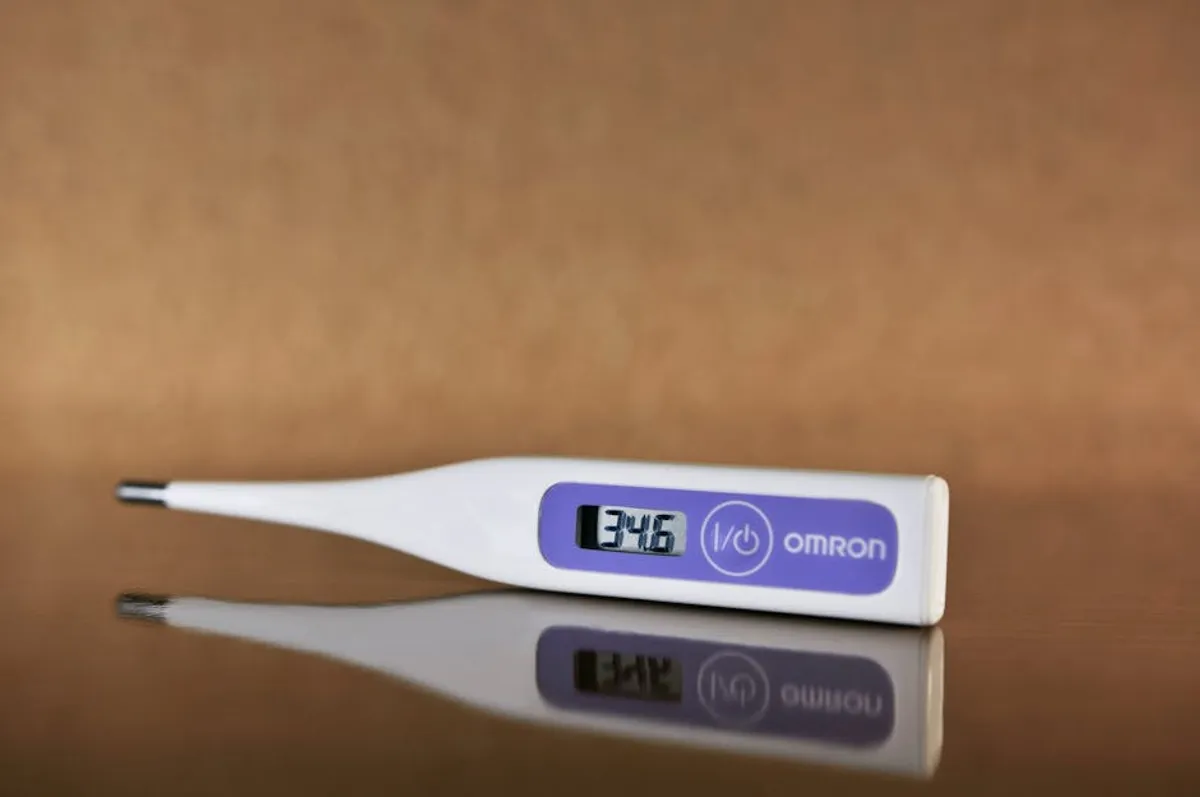
Laboratories operate under stringent conditions where environmental stability directly impacts experimental validity, sample integrity, and equipment longevity. Precise temperature and humidity control are not auxiliary features but fundamental requirements for reliable scientific work. Fluctuations, even minor ones, can skew data, degrade sensitive reagents, compromise biological samples, and accelerate the wear of sophisticated instrumentation. Understanding the specific needs of various lab processes and equipment, then implementing robust, monitored control systems, is essential for any facility aiming for accuracy and reproducibility.
The Critical Role of Environmental Stability
Maintaining stable temperature and humidity within a laboratory environment is crucial for several interconnected reasons, extending beyond mere comfort. Each factor influences the physical and chemical properties of materials and the operational parameters of sensitive instruments.
- Sample Integrity: Biological samples (cells, tissues, DNA/RNA), chemical reagents, and standards are highly susceptible to temperature and humidity variations. Inconsistent conditions can lead to degradation, altered reactivity, or changes in concentration due to evaporation or hydration, rendering samples unusable or data unreliable.
- Equipment Performance and Calibration: Many analytical instruments, including balances, spectrophotometers, chromatographs, and microscopes, are calibrated to perform optimally within defined environmental ranges. Temperature shifts can cause thermal expansion or contraction in mechanical components, affecting precision. Humidity can lead to condensation, static electricity build-up, or corrosion, impacting electronic components and optical surfaces.
- Reaction Kinetics: Chemical and enzymatic reactions are temperature-dependent. Even small deviations from optimal temperatures can significantly alter reaction rates, enzyme activity, and product yields, making results difficult to reproduce across experiments or between different labs.
- Microbial Growth: Elevated humidity combined with moderate temperatures creates ideal conditions for mold and bacterial growth, posing contamination risks to cultures, sterile environments, and even optical equipment.
- Static Electricity: Low humidity can increase static electricity, which is problematic for sensitive electronic components, powder handling, and can interfere with the accuracy of precision balances.
Key Control Parameters: Temperature and Humidity
Effective environmental control requires a nuanced approach to both temperature and humidity, recognizing their distinct impacts and interdependencies.
Temperature Management
Temperature control in a lab extends beyond general room conditioning. It often involves localized, precise regulation for specific equipment or processes.
Common Temperature Ranges:
- Room Temperature: Typically maintained between 20-25°C (68-77°F) for general comfort and equipment operation. However, "room temperature" in a lab context often implies a tightly controlled subset of this range, perhaps ±1°C.
- Refrigeration: 2-8°C for reagents, media, and some biological samples.
- Freezing: -20°C, -80°C, or ultra-low temperatures (e.g., liquid nitrogen at -196°C) for long-term sample storage.
- Incubation: 37°C for cell culture, 30°C for some microbial cultures, or specific ranges for enzymatic reactions. Precision here is paramount, often requiring stability within ±0.1°C.
Impact on Equipment:
Balances: Temperature gradients can create air currents that affect weighing accuracy.
Spectrophotometers: Detector sensitivity and lamp output can drift with temperature changes, impacting baseline stability and measurement accuracy.
Chromatography Systems (HPLC, GC): Column temperature stability is critical for consistent retention times and peak resolution.
PCR Machines: Precise temperature cycling is the core function, demanding highly accurate and stable thermal blocks.
Humidity Regulation
Humidity, specifically relative humidity (RH), plays a critical role in preventing desiccation, condensation, and static build-up.
Optimal RH Ranges:
Most laboratories aim for a relative humidity between 40-60%. This range is generally comfortable, minimizes static electricity, and reduces the risk of condensation or desiccation.
Impact on Equipment and Samples:
- Low Humidity (<30% RH): Increases static electricity, which can interfere with sensitive electronics, precision balances, and powder handling. It also accelerates the evaporation of aqueous solutions and can desiccate biological samples.
- High Humidity (>70% RH): Promotes condensation on cold surfaces (e.g., microscope lenses, refrigerated equipment), leading to potential corrosion, short circuits, and microbial growth. It can also cause hygroscopic materials to absorb moisture, altering their properties.
Implementing Robust Control Systems
Effective temperature and humidity control relies on a combination of active systems, passive design elements, and diligent monitoring.
Active Control Mechanisms
These systems actively adjust environmental parameters to maintain set points.
- HVAC Systems: Centralized heating, ventilation, and air conditioning systems are the primary means of general room temperature and humidity control. Lab-specific HVAC often includes higher air change rates, filtration, and dedicated humidification/dehumidification capabilities.
- Environmental Chambers/Incubators: Specialized units designed to maintain very tight control over temperature, humidity, and sometimes CO2 levels for specific experiments or sample storage.
- Dehumidifiers and Humidifiers: Dedicated units can be used to augment HVAC systems in areas with specific humidity requirements or challenges.
Monitoring and Validation
Control systems are only as good as their monitoring and validation. Continuous data logging and regular calibration are non-negotiable.
Sensor Technology:
Temperature: Resistance Temperature Detectors (RTDs), thermocouples, and thermistors are commonly used for their accuracy and stability.
Humidity: Capacitive humidity sensors are prevalent, measuring changes in capacitance due to moisture absorption.
Data Logging: Automated systems continuously record temperature and humidity data, providing an audit trail for regulatory compliance and allowing for trend analysis to identify potential issues before they become critical. Alarms should be integrated to notify personnel of deviations from set parameters.
Pro Tip: Always implement redundant monitoring for critical environmental controls. Relying on a single sensor or system creates a single point of failure. Independent data loggers or secondary sensors provide verification and ensure data integrity, especially for regulatory compliance and high-value samples.
Optimizing Lab Environments for Performance
Achieving and maintaining optimal temperature and humidity control requires a holistic approach, integrating equipment, facility design, and operational protocols.
Start with a thorough assessment of all lab processes and equipment, documenting their specific environmental requirements. This forms the basis for selecting appropriate control technologies, from general HVAC upgrades to specialized environmental chambers. Ensure all monitoring devices are regularly calibrated against traceable standards to guarantee data accuracy. Establish clear standard operating procedures (SOPs) for environmental monitoring, alarm response, and routine maintenance of control systems. Regularly review and update these protocols as lab needs evolve or new equipment is introduced. Proactive maintenance schedules for HVAC filters, humidifiers, and dehumidifiers prevent system failures and ensure consistent performance. Finally, train all lab personnel on the importance of environmental control and their role in maintaining stable conditions, including proper door closure and reporting any anomalies.
Frequently Asked Questions
What is the ideal relative humidity for a general laboratory?
A relative humidity (RH) between 40-60% is generally considered ideal for most laboratories. This range balances comfort, minimizes static electricity buildup, and reduces risks of condensation or desiccation.
How often should temperature and humidity sensors be calibrated?
Calibration frequency depends on the sensor type, its application, and regulatory requirements. A common practice is annual calibration, but critical applications or highly sensitive equipment may require quarterly or even monthly checks against certified standards.
Can external weather conditions significantly impact internal lab humidity?
Yes, external weather conditions can heavily influence internal lab humidity, especially if the building's HVAC system is not robust enough or poorly maintained. High outdoor humidity can overwhelm dehumidification systems, while very low outdoor humidity can lead to excessive dryness indoors if humidification is inadequate.
What are the risks of ignoring humidity control in a lab?
Ignoring humidity control can lead to several risks, including increased static electricity interfering with sensitive instruments, accelerated evaporation or hydration of samples, condensation on cold surfaces causing corrosion or microbial growth, and discomfort for personnel.