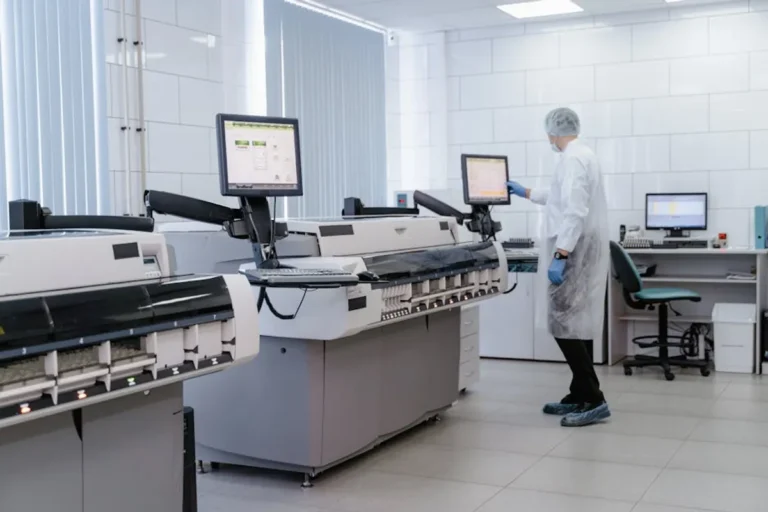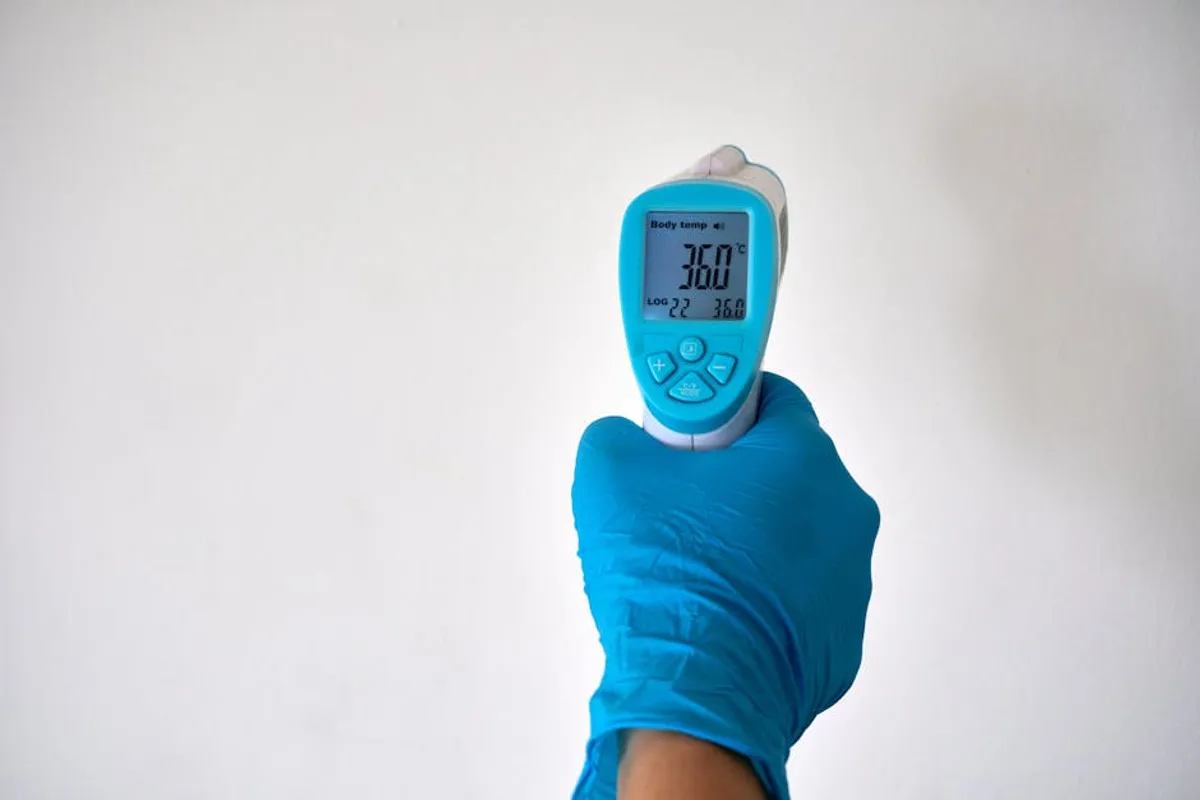
Labs operate under stringent conditions where environmental stability directly impacts experimental outcomes, sample integrity, and regulatory compliance. The precise measurement and control of temperature and humidity are not merely good practices; they are foundational requirements across diverse scientific disciplines, from pharmaceutical research and biotechnology to material science and climate studies. Selecting the appropriate temperature and humidity sensors involves navigating a landscape of technical specifications, operational demands, and long-term reliability needs. This decision impacts not only the accuracy of data but also the operational efficiency and potential for costly errors or non-compliance.
Why Precision Matters in Lab Environments
In laboratory settings, even minor fluctuations in temperature or humidity can compromise the validity of experiments or the stability of sensitive materials. The implications extend beyond immediate data points, affecting long-term research integrity and the ability to reproduce results.
Impact on Research Integrity
Variations in temperature can alter reaction kinetics, enzyme activity, and cell growth rates, leading to skewed experimental data. Humidity levels affect hygroscopic materials, causing them to absorb or release moisture, which changes their physical and chemical properties. For instance, in drug stability testing, precise environmental conditions are critical to assess product shelf-life accurately. In cell culture, consistent temperature and humidity prevent desiccation or contamination, ensuring viable cell lines for research. Without precise, reliable sensor data, researchers face challenges in validating their findings, leading to wasted resources and delayed scientific progress.
Regulatory Compliance and Audit Trails
Many laboratory operations are governed by strict regulatory bodies, such as the FDA (e.g., 21 CFR Part 11 for electronic records) or ISO standards (e.g., ISO 17025 for testing and calibration laboratories). These regulations often mandate continuous monitoring and detailed record-keeping of environmental conditions. Laboratories must demonstrate that their controlled environments remain within specified parameters over time. High-quality temperature and humidity sensors, coupled with robust data logging and reporting capabilities, provide the verifiable audit trails necessary for compliance. Failure to meet these requirements can result in regulatory fines, loss of accreditation, or invalidation of research data.
Key Sensor Technologies for Labs
Understanding the fundamental principles behind different sensor types helps in selecting the most suitable technology for specific lab applications.
Resistance Temperature Detectors (RTDs)
RTDs measure temperature by correlating resistance with temperature. They are known for their high accuracy, stability, and repeatability over a wide temperature range. Platinum RTDs (Pt100, Pt1000) are particularly common in labs due to their linearity and resistance to drift.
Best for: Applications requiring high precision and long-term stability, such as calibration standards, incubators, and refrigerators.
Thermistors
Thermistors are semiconductor-based resistors whose resistance changes significantly with temperature. They offer high sensitivity and a fast response time but typically have a narrower operating range and are less linear than RTDs.
Best for: Spot measurements and applications where rapid temperature changes need to be detected, often at a lower cost than RTDs.
Capacitive Humidity Sensors
These sensors measure relative humidity by detecting changes in the dielectric constant of a polymer film, which varies with moisture absorption. They are widely used due to their compact size, good linearity, and ability to operate across a broad humidity range.
Best for: General-purpose humidity monitoring in environmental chambers, cleanrooms, and storage areas.
Psychrometers
A psychrometer measures humidity by comparing the temperature difference between a "dry bulb" (standard thermometer) and a "wet bulb" (thermometer with a moistened wick). The difference in temperature is used to calculate relative humidity. While traditional, electronic psychrometers offer automated readings.
Best for: Applications requiring high accuracy, especially at low humidity levels, and for calibration of other humidity sensors.
Essential Features for Lab-Grade Sensors
Beyond the core technology, several features differentiate a general-purpose sensor from one suitable for a demanding lab environment.
- Accuracy and Resolution: Look for specifications that meet or exceed regulatory and experimental requirements. For temperature, this might mean ±0.1°C or better; for humidity, ±1-2% RH. High resolution allows for detection of minute changes.
- Stability and Drift: Sensors should maintain their accuracy over extended periods with minimal drift. This reduces the frequency of recalibration and ensures consistent data. Manufacturers often provide drift specifications in their datasheets.
- Calibration Requirements: Understand the recommended calibration interval and method (e.g., single-point, multi-point, NIST traceable). Sensors with easily accessible calibration points or swappable calibrated probes simplify maintenance.
- Connectivity Options:
- Wired: USB, Ethernet, RS-485 for robust, secure data transmission.
- Wireless: Wi-Fi, Bluetooth, LoRaWAN for flexible deployment and reduced cabling complexity, especially in large facilities.
- Data Logging: Onboard memory for continuous recording, critical for compliance and trend analysis.
- Environmental Durability: Sensors must withstand the lab environment. Consider IP ratings for protection against dust and moisture, and material compatibility for resistance to common lab chemicals or cleaning agents.
- Data Management and Reporting: Integrated software for data visualization, alarm notifications (email, SMS), and automated report generation streamlines monitoring and compliance efforts.
Pro Tip: Always verify sensor specifications against the actual environmental conditions of your lab. A sensor rated for a broad range might have reduced accuracy at the extreme ends of its operational limits, which could compromise critical data points.
Deployment Considerations and Best Practices
Effective sensor deployment goes beyond simply purchasing the right hardware; it involves strategic placement, integration, and ongoing maintenance.
Sensor Placement Strategy
Sensors should be positioned to accurately represent the environmental conditions of the critical area being monitored. Avoid placing them near heat sources (e.g., direct sunlight, equipment exhaust), cold spots (e.g., near ventilation ducts, exterior walls), or direct airflow that could create localized microclimates. For large chambers or rooms, multiple sensors may be necessary to map the environment adequately and identify any gradients. Consider areas where samples are stored or experiments are conducted, as these are often the most critical zones.
Integration with Existing Systems
New sensors should ideally integrate seamlessly with existing Building Management Systems (BMS), Laboratory Information Management Systems (LIMS), or dedicated environmental monitoring platforms. This ensures centralized data collection, reduces manual data entry, and facilitates comprehensive trend analysis. Compatibility with industry-standard communication protocols (e.g., Modbus, OPC UA) is a key factor in smooth integration.
Maintenance and Recalibration Schedules
Regular maintenance, including cleaning sensor elements and verifying connections, is essential for sustained accuracy. Establishing a rigorous recalibration schedule, often annually or semi-annually depending on regulatory requirements and sensor drift, is non-negotiable. Using NIST-traceable calibration standards ensures that sensor readings remain accurate and defensible for audit purposes. Maintain detailed records of all calibration events, including date, method, and results.
Ensuring Environmental Control and Data Integrity
For any lab, the selection and deployment of temperature and humidity sensors are critical operational decisions. Focus on sensor accuracy, stability, and the ability to integrate with existing data management systems. Prioritize solutions that offer robust data logging and reporting features to meet regulatory demands and provide verifiable audit trails. By investing in appropriate sensor technology and adhering to best practices for placement, integration, and maintenance, labs can ensure the integrity of their research, protect valuable samples, and maintain compliance with industry standards.
Frequently Asked Questions
Q: How often should lab temperature and humidity sensors be calibrated?
A: Calibration frequency depends on regulatory requirements, sensor specifications, and the criticality of the application. Typically, annual or semi-annual calibration is recommended, but some highly sensitive applications may require more frequent checks.
Q: What is the difference between accuracy and resolution in sensors?
A: Accuracy refers to how close a sensor's reading is to the true value. Resolution refers to the smallest change in the measured parameter that the sensor can detect. A sensor can have high resolution but low accuracy if it consistently reads off the true value.
Q: Can wireless sensors be used in regulated lab environments?
A: Yes, wireless sensors are increasingly used in regulated labs. However, ensure the wireless system has robust data security, reliable signal transmission, and complies with data integrity regulations (e.g., 21 CFR Part 11) for electronic records.
Q: How do I protect sensors from harsh lab chemicals or cleaning agents?
A: Select sensors with appropriate IP ratings for dust and moisture ingress, and ensure their housing materials are chemically resistant. Some sensors offer protective coatings or remote probes that can be placed in challenging environments while the main electronics remain protected.