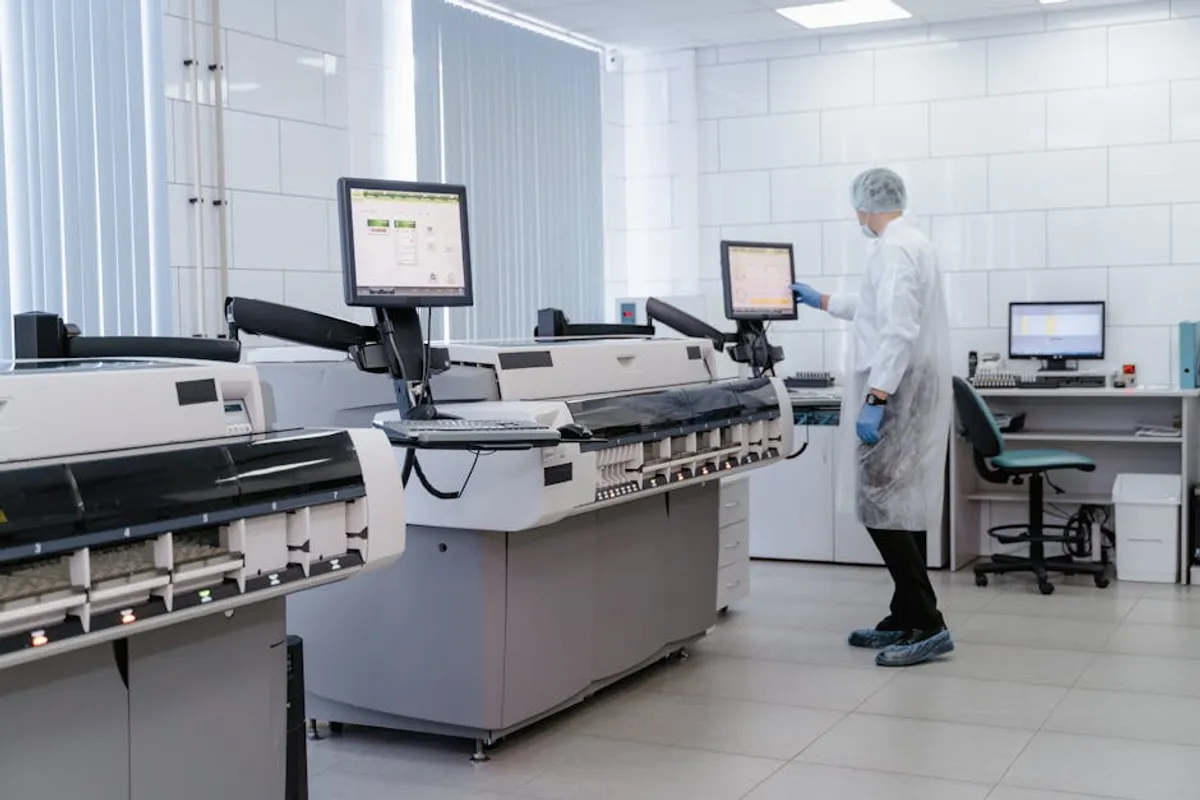
Scientific instruments represent significant capital investments, and their reliable operation is foundational to accurate research, quality control, and regulatory compliance. Ensuring these complex systems perform optimally throughout their lifecycle requires a structured approach to maintenance, directly impacting data integrity, operational efficiency, and ultimately, an organization's bottom line. Neglecting instrument care can lead to costly downtime, erroneous results, and premature equipment replacement, underscoring the commercial imperative of robust maintenance protocols.
The Commercial Imperative of Scientific Instrument Maintenance
Effective maintenance extends beyond simple upkeep; it is a strategic function that safeguards data quality, minimizes operational interruptions, and preserves asset value. Instruments that are consistently maintained produce more reliable data, which is critical for scientific validity, product development, and regulatory submissions. Furthermore, proactive maintenance reduces the likelihood of catastrophic failures, avoiding expensive emergency repairs and the significant financial impact of lost experimental time or production delays. Organizations that prioritize instrument care realize a lower total cost of ownership over the equipment's lifespan.
Establishing a Routine Maintenance Protocol
Routine maintenance forms the bedrock of instrument longevity, involving frequent, low-complexity tasks designed to catch minor issues before they escalate. Adherence to a consistent schedule ensures continuous optimal performance and helps identify deviations early.
Daily Checks and Cleaning
These tasks are quick but critical for maintaining immediate operational readiness and preventing the accumulation of substances that can degrade performance or cause damage.
- Inspect for visible damage or leaks, particularly around fluidic connections, seals, or power cables. Address any anomalies immediately.
- Wipe down exterior surfaces and accessible internal components with appropriate, manufacturer-recommended cleaning agents to prevent dust, chemical residue, and biological contamination buildup.
- Verify proper power supply, connection indicators, and environmental conditions (temperature, humidity) are within specified ranges.
- Check consumable levels (e.g., reagents, gases, printer paper) and replenish as needed to prevent operational interruptions during critical runs.
- Review instrument logs or software for any error messages or unusual readings that might indicate an underlying issue.
Weekly or Bi-Weekly Inspections
These slightly more involved checks delve deeper into the instrument's functional components, requiring minimal downtime.
- Clean or replace filters (air, solvent, particulate) as per manufacturer guidelines to maintain airflow, fluid purity, and prevent system blockages.
- Inspect and clean sample introduction systems, detectors, and optical components, ensuring they are free from debris or contamination that could affect measurement accuracy.
- Verify the integrity of tubing, hoses, and electrical connections, looking for signs of wear, kinks, or corrosion.
- Perform basic functional tests to confirm all moving parts operate smoothly and within expected parameters.
Preventative Maintenance Strategies
Preventative maintenance schedules components for replacement or service based on predicted wear, rather than waiting for failure. This approach minimizes unexpected downtime and extends the overall life of the instrument.
Scheduled Component Replacement
Many instrument components have a finite lifespan, often specified by the manufacturer in terms of operating hours or cycles. Adhering to these schedules prevents performance degradation and catastrophic failure.
Best for: Maintaining peak performance and avoiding unscheduled downtime. This includes replacing lamps, seals, O-rings, pump diaphragms, detector elements, and certain filters at recommended intervals. Maintaining a stock of these critical spares minimizes delay.
Environmental Control
The operating environment significantly impacts instrument reliability and lifespan. Maintaining stable conditions is a form of passive preventative maintenance.
Best for: Protecting sensitive electronics and mechanical parts from premature wear. This involves controlling ambient temperature and humidity within manufacturer specifications, ensuring proper ventilation to dissipate heat, and isolating instruments from excessive vibration, dust, and corrosive fumes. Dedicated uninterruptible power supplies (UPS) protect against power fluctuations and outages.
The Critical Role of Calibration
Calibration is the process of comparing an instrument's output against a known standard to ensure accuracy. It is non-negotiable for instruments where measurement precision directly impacts results, compliance, or product quality.
Calibration Standards and Frequency
Regular calibration with certified reference materials (CRMs) or traceable standards ensures that instrument readings are accurate and reliable over time. The frequency of calibration depends on the instrument's criticality, usage intensity, manufacturer recommendations, and regulatory requirements.
Key consideration: Use certified, traceable standards relevant to the instrument's operational range. Establish a calibration schedule that balances accuracy requirements with operational practicalities, often ranging from monthly to annually, or after significant repairs.
Documentation for Compliance
Meticulous record-keeping for all calibration activities is essential for demonstrating compliance with quality standards (e.g., ISO 17025, GLP/GMP) and for internal quality assurance. Documentation should include the date of calibration, the standards used, the 'as found' and 'as left' readings, any adjustments made, and the identity of the person performing the calibration.
Pro Tip: Never defer scheduled calibration. Each calibration point provides traceable evidence of an instrument's accuracy at a specific time, creating an auditable record essential for compliance and data validation. Skipping a cycle can invalidate historical data and lead to significant re-work or regulatory penalties.
Effective Troubleshooting and Repair
Even with robust maintenance, instruments can experience issues. A systematic approach to troubleshooting minimizes repair time and prevents further damage.
Initial Diagnostic Steps
Before contacting service, perform a series of logical checks to isolate the problem. This often involves reviewing error codes, checking connections, confirming power, and verifying consumable levels. Consult the instrument's operating manual for specific troubleshooting guides.
Focus: Isolate the problem to the simplest possible cause. For example, if a pump isn't working, check the power, then fluid lines, then the pump head itself. Avoid making multiple changes simultaneously, which complicates diagnosis.
When to Seek Expert Service
For complex issues, internal component failures, or problems requiring specialized tools and expertise, engaging a qualified service technician is the most efficient and safest course of action. Attempting repairs beyond internal capabilities can void warranties, cause further damage, or compromise instrument safety.
Recommendation: Establish service contracts for critical instruments. These contracts often include preventative maintenance visits, priority repair services, and access to genuine replacement parts, ensuring rapid resolution and minimizing extended downtime.
Optimizing Instrument Performance for Long-Term Value
Maintaining scientific instruments is an ongoing commitment that yields substantial returns. By implementing a comprehensive program encompassing routine checks, preventative measures, rigorous calibration, and systematic troubleshooting, organizations can ensure the accuracy, reliability, and extended lifespan of their critical equipment. This proactive approach not only safeguards research integrity and compliance but also represents a sound financial strategy, reducing operational costs and maximizing the return on significant capital investments.
Frequently Asked Questions
How often should scientific instruments be calibrated?
Calibration frequency depends on the instrument's use, criticality, manufacturer recommendations, and regulatory requirements. High-use or critical instruments may require monthly or quarterly calibration, while others might be annual. Refer to the instrument's manual and your quality system for specific guidelines.
What is the difference between maintenance and calibration?
Maintenance involves routine care, cleaning, and replacement of worn parts to keep an instrument functioning. Calibration is a specific process of comparing an instrument's output against a known standard to verify and adjust its accuracy, ensuring that its measurements are correct.
Can I perform all instrument maintenance myself?
Many routine tasks like cleaning, filter replacement, and daily checks can be performed by trained in-house personnel. However, complex repairs, internal component replacements, and accredited calibration often require specialized tools, expertise, and manufacturer-certified technicians to maintain warranties and ensure proper function.
What records should I keep for instrument maintenance?
Maintain detailed logs for all maintenance, calibration, and repair activities. These records should include dates, tasks performed, parts replaced, calibration results (as found/as left), technician identity, and any observed issues. This documentation is crucial for compliance, troubleshooting, and demonstrating instrument reliability.