Understanding calibration instruments is fundamental for any operation where measurement accuracy directly impacts product quality, operational efficiency, regulatory compliance, and safety. These specialized tools validate the performance of other measuring devices, ensuring they deliver consistent and reliable readings within specified tolerances. For businesses, this translates directly into reduced waste, improved product consistency, prevention of costly errors, and adherence to industry standards. Selecting the correct calibration instrument involves evaluating specific measurement parameters, required precision levels, and the operational environment to safeguard against inaccuracies that could compromise entire processes or product lines.
What Are Calibration Instruments?
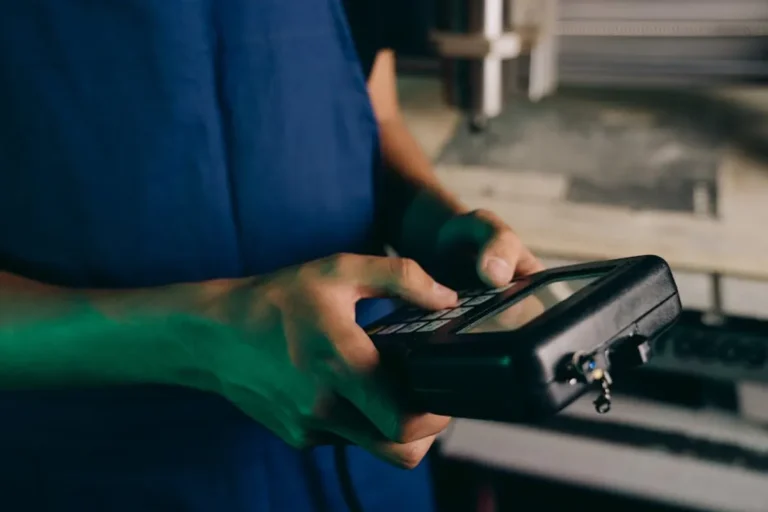
Calibration instruments are reference devices used to verify the accuracy of other measurement equipment. They establish a known standard against which a device under test (DUT) is compared, allowing for adjustments to bring the DUT back into specification. This process is critical because all measurement devices drift over time due to wear, environmental factors, or usage. Without regular calibration, these devices can provide erroneous data, leading to flawed decisions, product defects, and potential safety hazards.
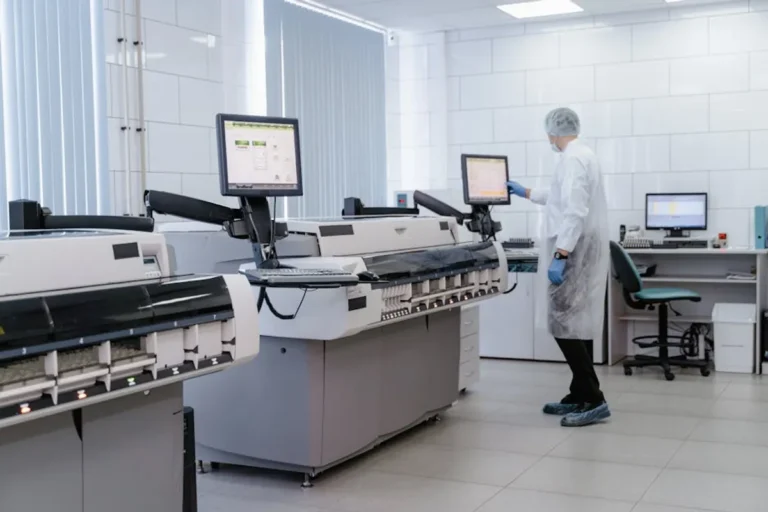
The core function of a calibration instrument is to provide a measurement of known uncertainty. This uncertainty is typically much smaller than the uncertainty of the device being calibrated, ensuring that the calibration process itself introduces minimal error. Their application spans virtually every industry, from manufacturing and pharmaceuticals to aerospace and environmental monitoring, wherever precise data is non-negotiable for operational integrity and regulatory adherence.
Types of Calibration Instruments
Calibration instruments are categorized primarily by the physical quantity they measure and verify. Each type addresses specific industry needs and measurement challenges, offering varying degrees of precision and operational flexibility.
Pressure Calibration
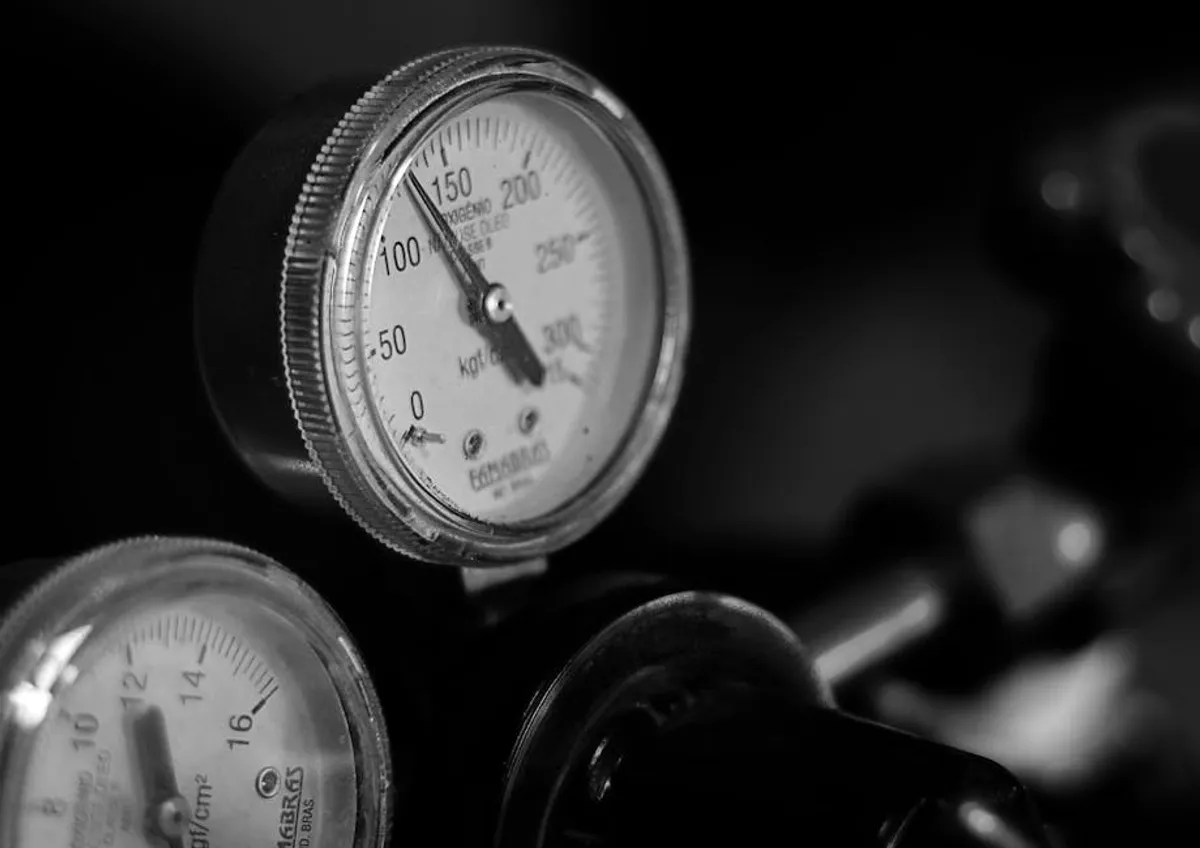
Pressure calibrators are designed to verify the accuracy of pressure gauges, transducers, and transmitters. They range from simple hand pumps with reference gauges to highly precise digital pressure controllers. These instruments are essential in industries such as oil and gas, HVAC, automotive, and pharmaceuticals, where pressure monitoring is critical for process control and safety systems.
Best for: Validating sensors in pneumatic systems, hydraulic machinery, and process pipelines.
Temperature Calibration
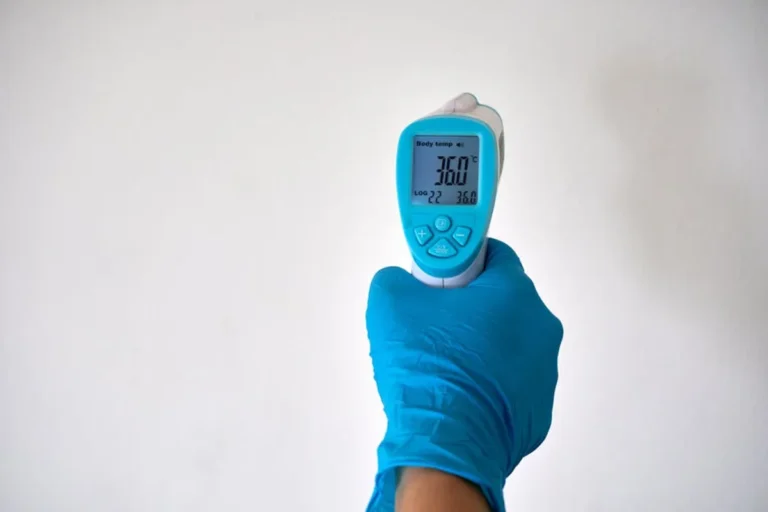
Temperature calibrators include devices like dry block calibrators, fluid baths, and reference thermometers. They are used to verify the accuracy of thermocouples, RTDs (Resistance Temperature Detectors), and other temperature-sensing devices. Maintaining accurate temperature control is vital in food processing, medical device manufacturing, chemical engineering, and environmental testing, where temperature deviations can affect product stability, reaction kinetics, or sample integrity.
Best for: Ensuring consistent thermal conditions in manufacturing, storage, and laboratory environments.
Electrical Calibration
Electrical calibrators generate precise voltage, current, and resistance signals to verify the accuracy of multimeters, oscilloscopes, power meters, and other electrical test equipment. These instruments are indispensable in electronics manufacturing, telecommunications, and power generation, where precise electrical measurements are foundational for circuit design, system performance, and safety compliance.
Best for: Verifying the performance of electronic components, control systems, and power distribution networks.
Flow Calibration
Flow calibrators measure and verify the accuracy of flow meters used for liquids or gases. These instruments are crucial in industries such as water treatment, chemical processing, and fuel management, where precise control over material flow rates directly impacts efficiency, cost, and product formulation. Calibration often involves comparing the flow meter's reading against a known volume or mass over time.
Best for: Ensuring accurate dispensing, mixing, and consumption monitoring in fluid dynamics applications.
Dimensional Calibration
Dimensional calibrators are used to verify the accuracy of tools that measure physical dimensions, such as calipers, micrometers, height gauges, and coordinate measuring machines (CMMs). These instruments often rely on gauge blocks, optical comparators, or laser interferometers as reference standards. They are fundamental in manufacturing, machining, and quality control, where part fit, form, and function depend entirely on precise dimensional measurements.
Best for: Quality assurance in precision manufacturing, tooling, and mechanical assembly.
Pro Tip: When establishing a calibration program, prioritize instruments based on their criticality to safety, product quality, and regulatory compliance. Not all devices require the same calibration frequency or level of precision; a risk-based approach optimizes resources and ensures focus on the most impactful measurements.
Key Considerations for Selecting Calibration Instruments
Choosing the appropriate calibration instrument requires a detailed assessment of operational needs and technical specifications. The right selection minimizes measurement uncertainty and maximizes long-term value.
- Accuracy and Precision Requirements: Evaluate the required measurement uncertainty for the devices being calibrated. The calibration instrument's accuracy should typically be 4 to 10 times better than the device under test to ensure meaningful verification.
- Measurement Range and Resolution: Ensure the calibrator's operational range covers the full span of the devices to be calibrated and provides sufficient resolution to detect minute deviations.
- Traceability and Standards: Confirm that the calibration instrument itself can be traced back to national or international measurement standards (e.g., NIST, NPL). This ensures the validity and comparability of all measurements.
- Portability and Environment: Consider if the calibration will occur in a laboratory or in the field. Portable, rugged instruments are essential for on-site calibration, while laboratory-grade devices offer higher precision in controlled environments.
- Software Integration and Automation: For high-volume calibration or complex systems, instruments with integrated software for data logging, automated test routines, and report generation can significantly improve efficiency and reduce human error.
- Ease of Use and Training: Assess the learning curve for operators. Instruments with intuitive interfaces and clear documentation reduce training overhead and promote consistent application.
Ensuring Measurement Integrity
Investing in the right calibration instruments is a strategic decision that underpins the reliability of an entire operation. Beyond the initial purchase, consistent adherence to calibration schedules, proper handling, and environmental control are paramount. Regular training for personnel on instrument usage and calibration best practices ensures that the investment continues to yield accurate data. By prioritizing precise measurement, organizations can mitigate risks, enhance product quality, and maintain a competitive edge in demanding markets where data-driven decisions are critical.
Frequently Asked Questions About Calibration Instruments
Why is regular calibration necessary for measurement instruments?
Regular calibration is essential because all measurement instruments drift over time due to factors like wear, environmental changes, and aging components. This drift leads to inaccurate readings, which can compromise product quality, operational efficiency, safety, and regulatory compliance. Calibration restores accuracy by comparing the instrument to a known standard and making necessary adjustments.
How often should calibration instruments themselves be calibrated?
The calibration frequency for calibration instruments depends on several factors, including the manufacturer's recommendations, the instrument's usage frequency, the critical nature of the measurements, and any regulatory requirements. Typically, these instruments are calibrated annually, but high-usage or critical reference standards might require more frequent checks to maintain their specified accuracy.
What is "traceability" in the context of calibration?
Traceability refers to the unbroken chain of comparisons relating an instrument's measurement to a national or international standard through a series of calibrations. This chain ensures that the measurement is accurate and verifiable against a universally accepted reference. Without traceability, calibration results lack credibility and cannot be reliably compared across different facilities or regulatory bodies.
Can I perform calibration in-house, or should I use an external service?
The decision to perform in-house calibration or use an external service depends on the complexity of your instruments, the required level of accuracy, available trained personnel, and the investment in reference standards and environmental controls. In-house calibration offers greater control and faster turnaround, but requires significant investment. External, accredited calibration labs provide specialized expertise, traceable standards, and often a more cost-effective solution for less frequent or highly specialized calibration needs.