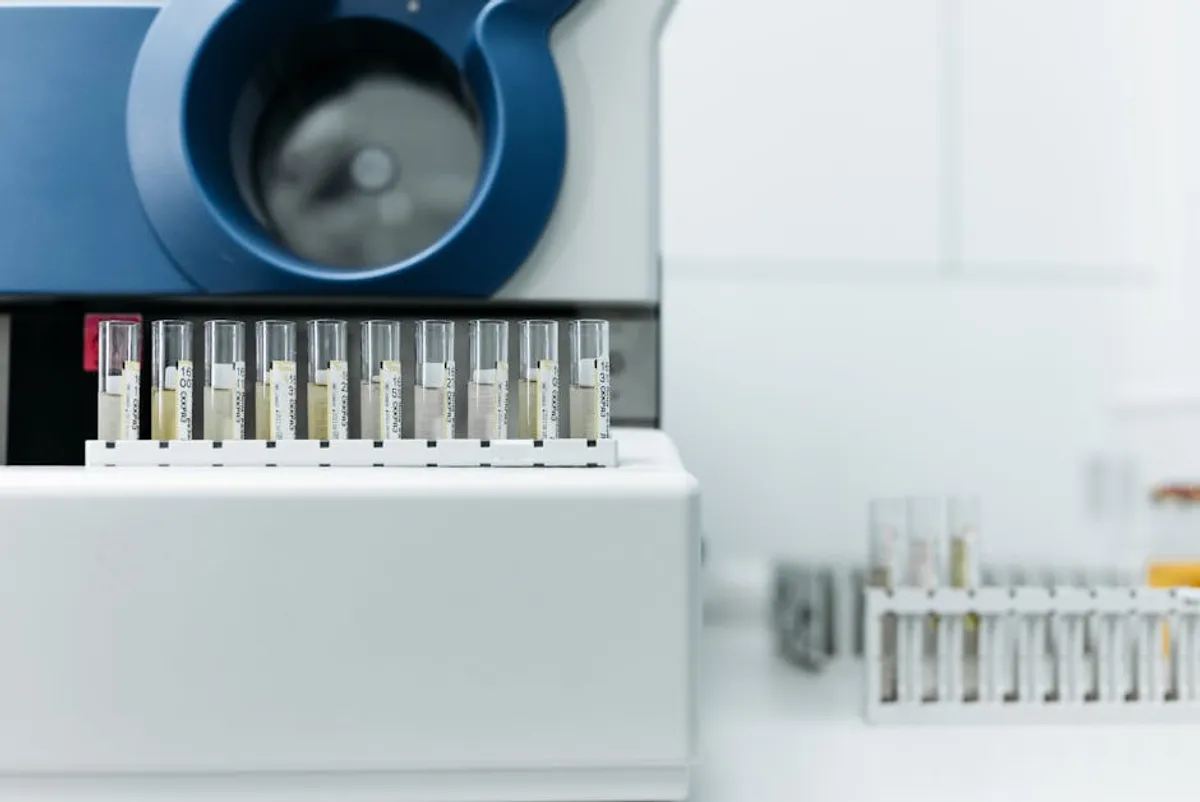
Selecting the right environmental testing instruments involves navigating a complex landscape of operational demands, regulatory requirements, and technical specifications. These tools are critical for monitoring air, water, soil, and noise, ensuring compliance, protecting public health, and informing environmental management decisions. The efficacy of environmental initiatives, from industrial emissions control to ecosystem health assessments, directly depends on the accuracy and reliability of the data collected. Understanding the specific parameters to be measured, the environmental conditions of deployment, and the necessary data integrity standards are foundational steps in making an informed acquisition that supports long-term operational goals.
Core Considerations for Instrument Selection
Before evaluating specific models, establish a clear framework based on your operational needs. This involves defining the scope of monitoring, the required measurement precision, and the logistical constraints of your field or laboratory environment.
- Target Parameters: Identify the exact chemical, physical, or biological agents you need to measure (e.g., pH, dissolved oxygen, particulate matter, volatile organic compounds, noise levels, radiation). Different instruments specialize in various parameters, and multi-parameter devices offer convenience but may have trade-offs in specific parameter accuracy or sensor lifespan.
- Accuracy and Precision: Determine the acceptable margin of error for your measurements. Regulatory compliance often dictates minimum accuracy levels. Consider the instrument's detection limits and resolution, ensuring they meet the sensitivity required for your application.
- Operating Environment: Assess where the instrument will be used. Field instruments require robust construction, weather resistance, and often battery power. Laboratory instruments prioritize precision and stability in controlled conditions. Temperature, humidity, and potential exposure to corrosive substances all influence material and design choices.
- Data Management: Evaluate how data will be collected, stored, and analyzed. Look for features like internal data logging, USB or wireless connectivity, and compatibility with data analysis software. The ease of data retrieval and integration into existing systems can significantly impact workflow efficiency.
- Calibration and Maintenance: Understand the calibration frequency and complexity. Instruments requiring specialized calibration gases or solutions, or those with short sensor lifespans, will incur higher ongoing operational costs and demand specific maintenance protocols.
Categorizing Environmental Testing Instruments
Environmental testing instruments are generally categorized by the medium they analyze or the specific environmental factor they monitor.
Air Quality Monitors
These instruments measure pollutants and other components in ambient or indoor air. They range from handheld devices for spot checks to continuous monitoring stations. Key parameters include particulate matter (PM2.5, PM10), volatile organic compounds (VOCs), carbon monoxide (CO), carbon dioxide (CO2), ozone (O3), sulfur dioxide (SO2), and nitrogen oxides (NOx). Selection depends on the specific pollutants of concern and the required temporal resolution of data.
Water Quality Testers
Used for analyzing fresh, brackish, and wastewater, these instruments assess chemical, physical, and biological characteristics. Common measurements include pH, conductivity, dissolved oxygen (DO), turbidity, temperature, salinity, and various ion concentrations (e.g., nitrate, phosphate, ammonia). Applications span environmental research, industrial discharge monitoring, and drinking water safety. The choice often hinges on the specific contaminants or indicators relevant to the water source.
Soil Testing Equipment
Soil analysis instruments evaluate composition, nutrient levels, pH, moisture content, and compaction. These tools are vital for agriculture, land remediation, and construction. Devices range from simple pH meters and moisture probes to more sophisticated kits for nutrient analysis. The depth of analysis required dictates the instrument's complexity and the need for laboratory-based versus field-based testing.
Noise Level Meters
Sound level meters measure acoustic pressure levels, typically in decibels (dB). They are used for environmental noise assessments, occupational health monitoring, and compliance with noise pollution regulations. Features like A-weighting (mimicking human hearing), fast/slow response times, and data logging capabilities are crucial for accurate and compliant measurements.
Radiation Detectors
Instruments for detecting and measuring ionizing radiation (alpha, beta, gamma, X-ray) are used in environmental monitoring, emergency response, and industrial safety. Geiger counters, scintillation detectors, and dosimeters provide varying levels of sensitivity and specificity. The type of radiation to be detected and the required dose rate or contamination level determine the appropriate detector technology.
Optimizing Your Instrument Investment
Beyond initial acquisition, the long-term value of environmental testing instruments is realized through proper management and utilization.
Pro Tip: Always verify that any instrument considered for regulatory compliance testing holds the necessary certifications (e.g., EPA, ISO, ASTM) and adheres to specified method protocols. Non-compliant data can invalidate monitoring efforts and lead to significant penalties.
Invest in comprehensive training for operators to ensure correct usage, calibration, and data interpretation. Regular maintenance schedules, including sensor replacement and software updates, extend instrument lifespan and maintain measurement integrity. Consider the availability of technical support and spare parts from the manufacturer or distributor, as this impacts downtime and repair costs. Finally, establish robust data validation and quality assurance protocols to confirm the reliability of all collected environmental data before it informs critical decisions.
Frequently Asked Questions
What is the typical lifespan of environmental testing instruments?
The lifespan varies significantly based on instrument type, usage frequency, maintenance, and the operating environment. Sensors often have a shorter lifespan (months to a few years) than the main instrument body (several years to a decade or more). Regular calibration and proper storage are key to extending operational life.
Are multi-parameter instruments always the best choice?
Multi-parameter instruments offer convenience by consolidating several measurements into one device, reducing equipment bulk and potentially setup time. However, they may not offer the same level of accuracy or specificity for every parameter as dedicated single-parameter instruments. Evaluate whether the convenience outweighs any potential trade-offs in precision for your specific application.
How often should environmental testing instruments be calibrated?
Calibration frequency depends on the instrument type, manufacturer recommendations, regulatory requirements, and usage patterns. High-precision instruments or those used in critical applications may require daily or weekly calibration, while others might suffice with monthly or quarterly checks. Always follow the manufacturer's guidelines and any applicable regulatory standards.