The integrity of scientific testing hinges directly on the quality and suitability of the instruments employed. For any organization relying on precise data—whether for research, quality control, product development, or regulatory compliance—the decision of which scientific instrument to acquire carries significant commercial weight. Inaccurate results can lead to costly re-testing cycles, product recalls, failed audits, or compromised research outcomes. This guide outlines a structured approach to selecting scientific instruments that deliver consistent, accurate data, aligning technical specifications with operational demands and long-term value.
Key Considerations for Instrument Selection
Before evaluating specific models, define the operational context and performance requirements. This foundational step prevents over-specification, which leads to unnecessary expense, or under-specification, which compromises data reliability.
Defining Measurement Requirements
Begin by establishing the critical parameters for your testing. This involves more than just identifying what needs to be measured; it requires quantifying the acceptable margins of error and the expected range of values.
- Accuracy: The closeness of a measured value to a true or accepted value. Quantify this as a percentage of full scale or an absolute value (e.g., ±0.1% of reading, or ±5 µg/L).
- Precision: The repeatability of measurements under the same conditions. High precision indicates minimal variation between successive readings.
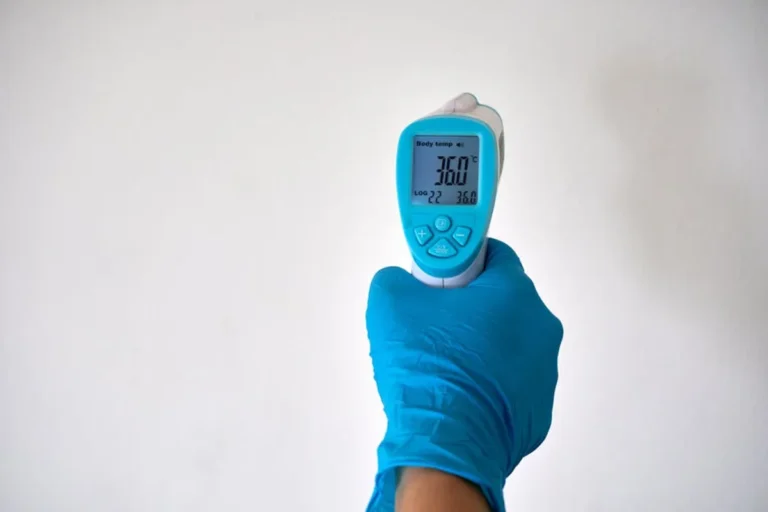
- Resolution: The smallest change in the measured quantity that the instrument can detect and display. For instance, a pH meter with 0.01 pH unit resolution offers finer detail than one with 0.1 pH unit resolution.
- Measurement Range: The full span of values the instrument can reliably measure. Ensure this range comfortably covers both the minimum and maximum expected values in your application.
- Response Time: How quickly the instrument provides a stable reading after a change in the input. Critical for dynamic processes or high-throughput testing.
Environmental Factors and Operating Conditions
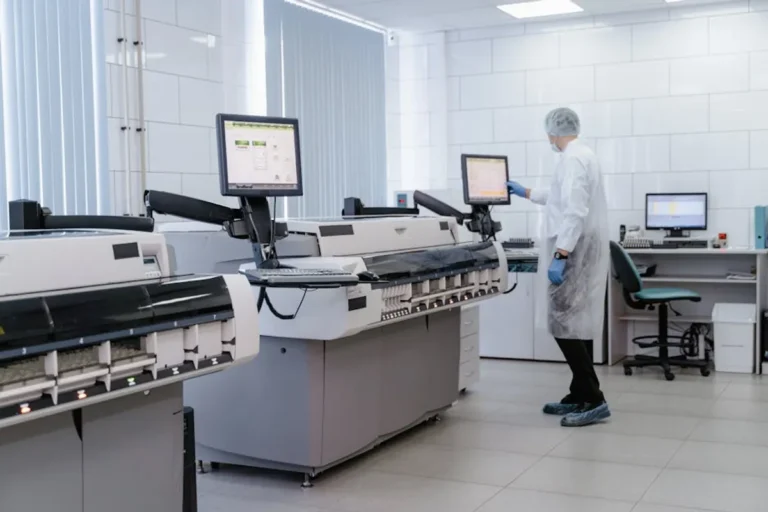
The environment in which an instrument operates significantly impacts its performance and longevity. Consider temperature fluctuations, humidity levels, vibration, electromagnetic interference, and the presence of corrosive chemicals or dust. Instruments designed for a controlled laboratory environment may fail or provide erroneous readings in a field setting or harsh industrial application. Assess if the instrument requires specific environmental controls, such as a cleanroom or a temperature-controlled chamber, and factor these into the total operational cost.
Calibration and Maintenance Protocols
All scientific instruments require regular calibration to maintain accuracy over time. Evaluate the ease and frequency of calibration. Some instruments feature automated internal calibration routines, while others demand manual calibration with certified reference standards. Understand the associated costs for calibration services, consumables, and parts. A robust maintenance schedule, often specified by the manufacturer, is crucial for extending an instrument's lifespan and ensuring consistent performance. Inquire about the availability of service contracts and the typical lead time for repairs.
Software Integration and Data Management
Modern scientific testing often relies on seamless data acquisition and analysis. Assess the instrument's software capabilities: Does it offer intuitive data logging? Can it integrate with existing laboratory information management systems (LIMS) or other data analysis platforms? Consider data security, storage capacity, and the ease of exporting data in common formats (e.g., CSV, XML). User-friendly interfaces and robust data visualization tools can significantly enhance workflow efficiency and reduce the potential for human error.
Regulatory Compliance and Industry Standards
For many industries, instrument selection is dictated by stringent regulatory requirements. Ensure the chosen instrument complies with relevant national and international standards (e.g., ISO, FDA, ASTM, GLP/GMP). Verify that the manufacturer provides necessary documentation, such as calibration certificates, validation protocols, and conformity declarations. Non-compliance can lead to significant penalties, operational shutdowns, and reputational damage.
Evaluating Instrument Specifications
With requirements clearly defined, delve into the technical documentation provided by manufacturers.
Understanding Manufacturer Data Sheets
Data sheets provide detailed technical specifications. Pay close attention to footnotes and disclaimers, as these often contain critical information regarding operating limits or specific test conditions under which stated performance was achieved. Compare specifications directly against your defined measurement requirements for accuracy, precision, range, and resolution. Do not assume advertised "high accuracy" meets your specific needs without reviewing the quantified figures.
Assessing Sensor Technology and Stability
The core of most scientific instruments is its sensor or detector. Research the underlying technology. For example, some pH electrodes offer longer lifespan and better stability in challenging matrices, while certain spectroscopic detectors provide higher sensitivity or lower detection limits. Understand the sensor's expected lifespan, drift characteristics, and susceptibility to interference from the sample matrix or environmental factors. Long-term stability reduces the frequency of recalibration and enhances data reliability.
Power Requirements and Portability
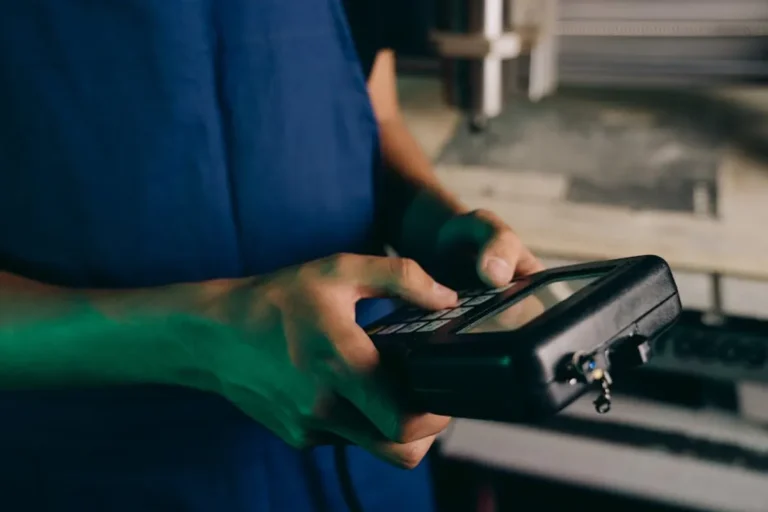
Consider the instrument's power consumption and source requirements. Does it need a specific voltage, a stable power supply, or battery operation for field use? For portable instruments, battery life, weight, and ruggedness are key factors. Ensure the instrument's physical dimensions and weight are compatible with your laboratory space and any transport needs.
Long-Term Value and Support
An instrument purchase is a long-term investment. Evaluate factors beyond initial cost.
Supplier Reputation and Technical Support
A reputable supplier offers more than just a product; they provide ongoing support. Research the manufacturer's track record for reliability, customer service, and technical assistance. Inquire about the availability of local service engineers, response times for support requests, and the accessibility of spare parts. Strong technical support minimizes downtime and ensures that complex issues can be resolved efficiently.
Pro Tip: Always request a demonstration or trial period for high-value instruments. This allows your team to assess usability, verify performance with your specific samples, and identify any unforeseen operational challenges before committing to a purchase.
Total Cost of Ownership (TCO)
The initial purchase price is only one component of an instrument's cost. Calculate the Total Cost of Ownership (TCO) over its projected lifespan. This includes:
- Initial purchase price
- Shipping, installation, and setup costs
- Consumables (reagents, calibration standards, glassware)
- Maintenance and service contracts
- Calibration services
- Software licenses and upgrades
- Training for operators
- Energy consumption
- Disposal costs at end-of-life
A seemingly cheaper instrument upfront might prove more expensive in the long run due to high consumable costs, frequent maintenance, or limited lifespan.
Ensuring Data Integrity and Operational Efficiency
The methodical selection of scientific instruments is a critical business decision. By meticulously defining requirements, scrutinizing technical specifications, and evaluating the long-term support and cost implications, organizations can procure instruments that not only meet immediate testing needs but also contribute to robust data integrity, operational efficiency, and sustained commercial success. A well-chosen instrument minimizes risks, optimizes resource allocation, and underpins the credibility of all scientific endeavors.
Frequently Asked Questions
What is the difference between accuracy and precision in instrument selection?
Accuracy refers to how close a measurement is to the true value, while precision refers to how close repeated measurements are to each other. An instrument can be precise (give consistent results) but inaccurate (consistently off from the true value), or accurate on average but imprecise (results vary widely).
Why is Total Cost of Ownership (TCO) important for instrument purchases?
TCO provides a comprehensive financial view beyond the initial purchase price. It accounts for all expenses incurred over an instrument's lifespan, including consumables, maintenance, calibration, and software, helping to prevent unexpected costs and reveal the true economic impact of the investment.
How do environmental factors impact instrument accuracy?
Environmental conditions like temperature, humidity, vibration, and electromagnetic interference can cause drift, noise, or outright malfunction in sensitive instruments. Selecting an instrument rated for your specific operating environment or implementing environmental controls is crucial for maintaining accuracy.
Should I always choose the instrument with the highest specifications?
Not necessarily. Over-specifying an instrument can lead to unnecessary costs. The optimal choice balances your specific measurement requirements (accuracy, precision, range) with the instrument's capabilities and your budget. Choose an instrument that reliably meets your needs without exceeding them significantly.