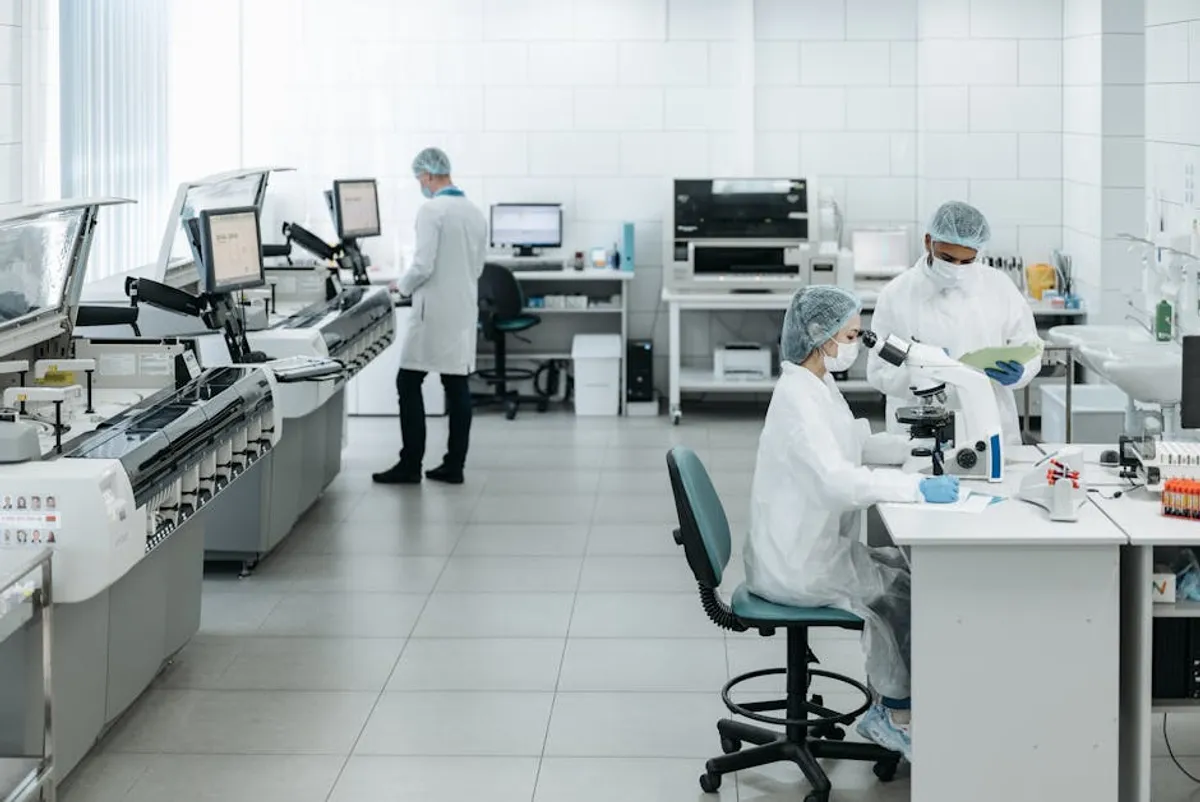
Maintaining scientific instruments is not merely a best practice; it is a critical operational imperative that directly impacts data integrity, research outcomes, and long-term financial viability. Laboratories and research facilities invest significant capital in precision equipment, and the return on that investment hinges on consistent, accurate performance. Without a structured maintenance regimen, instruments can drift out of calibration, yield unreliable data, or suffer premature failure, leading to costly downtime, re-runs, and compromised scientific validity. Understanding the fundamentals of instrument care, from daily cleaning to scheduled professional service, is essential for any organization aiming to maximize equipment lifespan and ensure the credibility of its scientific work.
Establishing Core Maintenance Protocols
Effective instrument maintenance begins with a foundational set of protocols that cover daily, weekly, and monthly tasks. These are not arbitrary tasks but systematic interventions designed to preserve functionality and accuracy.
Regular Cleaning and Decontamination
Cleaning protocols must be specific to the instrument type and the nature of the samples processed. For optical instruments, this might involve lint-free wipes and specialized lens cleaners to prevent residue buildup that scatters light. For instruments handling biological samples, decontamination procedures are paramount to prevent cross-contamination and ensure user safety. Always refer to the manufacturer's guidelines for approved cleaning agents and methods, as incompatible chemicals can damage sensitive components. Frequency should be dictated by usage intensity and sample type; high-throughput systems often require daily or per-run cleaning.
Calibration and Performance Verification
Calibration ensures an instrument measures accurately against a known standard. This is distinct from performance verification, which confirms the instrument is operating within specified tolerances. For example, a spectrophotometer needs wavelength calibration using certified reference materials, and its photometric accuracy might be verified with absorbance standards. The frequency of calibration depends on the instrument's stability, usage, and regulatory requirements. Critical instruments often require daily or weekly checks, while others might be quarterly or annually. Documenting these processes, including "as found" and "as left" data, provides an audit trail and tracks instrument drift.
Environmental Control and Storage
Scientific instruments are often sensitive to environmental fluctuations. Maintaining stable temperature and humidity levels within the specified operating range prevents thermal expansion/contraction issues, condensation, and corrosion. Vibration isolation tables are crucial for microscopes, balances, and other sensitive equipment. Dust accumulation can obstruct optical paths, interfere with moving parts, and degrade electronic components. Implementing cleanroom protocols, using instrument covers, and ensuring adequate air filtration are practical steps. Proper storage when not in use, such as returning probes to their designated holders or covering sensitive detectors, extends component life.
Software and Firmware Management
Modern scientific instruments rely heavily on software and firmware for control, data acquisition, and analysis. Regular updates are critical for several reasons:
- **Bug Fixes:** Addressing known issues that could affect performance or data integrity.
- **Feature Enhancements:** Adding new capabilities or improving existing ones.
- **Security Patches:** Protecting against vulnerabilities, especially for networked instruments.
- **Compatibility:** Ensuring seamless operation with updated operating systems or laboratory information management systems (LIMS).
Always back up instrument configurations and data before applying updates, and follow manufacturer instructions carefully to avoid bricking the device.
Consumables and Spare Parts Inventory
Maintaining an adequate inventory of essential consumables (e.g., reagents, filters, lamps, septa, columns) and frequently replaced spare parts (e.g., fuses, O-rings, seals) minimizes downtime. Regularly check expiration dates for reagents and replace parts proactively based on manufacturer-recommended service intervals or observed wear. Sourcing genuine manufacturer parts is crucial, as aftermarket components may not meet the required specifications, potentially compromising instrument performance or warranty validity.
Pro Tip: Never defer critical maintenance tasks. While it might seem efficient to push back a calibration or a filter change to meet a deadline, the risk of data inaccuracy, equipment damage, or complete failure far outweighs any short-term gain. Proactive maintenance is always less costly than reactive repairs and re-runs.
Documentation and Record-Keeping
Comprehensive documentation is the backbone of effective instrument maintenance. It provides transparency, accountability, and a historical record essential for troubleshooting, audits, and compliance.
Maintenance Logs and Service Records
Each instrument should have a dedicated logbook or digital record where all maintenance activities are recorded. This includes:
- Date and time of service
- Type of maintenance performed (e.g., cleaning, calibration, repair)
- Personnel performing the service
- Any parts replaced or consumables used
- "As found" and "as left" calibration data
- Observed issues or anomalies
These records are invaluable for tracking performance trends, predicting future maintenance needs, and demonstrating compliance during regulatory inspections.
Standard Operating Procedures (SOPs)
Develop clear, concise SOPs for routine operation, cleaning, calibration, and basic troubleshooting for each instrument. These documents ensure consistency across users, reduce errors, and serve as training materials. SOPs should be readily accessible, regularly reviewed, and updated as procedures or instruments change.
Training and Competency
The most sophisticated maintenance plan is ineffective without competent personnel. Proper training ensures that users understand not only how to operate an instrument but also its basic care requirements.
Best for: Ensuring consistent operation and preliminary troubleshooting. All instrument operators should receive training on daily maintenance tasks, proper handling, and recognizing signs of malfunction. For more complex maintenance or repair, specialized training or manufacturer certification may be necessary for designated technicians. This tiered approach ensures that routine tasks are handled efficiently while complex issues are addressed by qualified experts.
Sustaining Instrument Performance
Maintaining scientific instruments is an ongoing commitment rather than a one-time task. It requires a blend of routine care, meticulous documentation, and skilled personnel. By implementing robust maintenance protocols, facilities can significantly extend the operational life of their equipment, ensure the reliability of their scientific data, and avoid the substantial costs associated with instrument failure and re-work. A proactive, systematic approach to instrument care is an investment in both scientific integrity and operational efficiency.
Frequently Asked Questions
How often should scientific instruments be calibrated?
Calibration frequency depends on the instrument's stability, usage intensity, manufacturer recommendations, and regulatory requirements. Critical instruments might need daily or weekly checks, while others could be quarterly or annually. Consult the instrument's manual for specific guidelines.
What is the difference between calibration and verification?
Calibration adjusts an instrument to measure accurately against a known standard, often involving making changes to the instrument. Verification confirms that the instrument is operating within its specified performance tolerances without making adjustments.
Can I use generic cleaning agents for my scientific instruments?
It is generally not recommended. Always refer to the manufacturer's guidelines for approved cleaning agents. Incompatible chemicals can damage sensitive components, coatings, or plastics, leading to instrument malfunction or failure.
When should I call for professional instrument service?
You should call for professional service if an instrument consistently fails calibration, exhibits unusual behavior not resolved by basic troubleshooting, displays error codes you cannot interpret, or requires internal repairs that exceed your team's expertise or authorized scope.