Storing scientific instruments correctly is not merely a matter of tidiness; it is a critical operational safeguard that directly impacts data integrity, equipment longevity, and financial investment. Improper storage can lead to calibration drift, material degradation, electronic failure, and costly repairs or replacements. This guide outlines the essential environmental controls and best practices required to maintain the accuracy and operational lifespan of various scientific tools, ensuring they remain ready for precise use.
Establishing Optimal Environmental Controls
The ambient conditions surrounding scientific instruments are paramount to their preservation. Ignoring these factors can lead to irreparable damage over time.
Temperature Regulation
Fluctuations in temperature can cause materials to expand and contract, leading to mechanical stress, component fatigue, and calibration inaccuracies, particularly in precision instruments. Extreme heat can degrade electronic components and lubricants, while excessive cold can cause condensation when instruments are brought back to warmer environments. Maintaining a stable temperature, typically between 18-25°C (64-77°F), is crucial. For sensitive optical or electronic equipment, even tighter ranges may be necessary, often specified by the manufacturer.
Humidity Management
High humidity promotes corrosion on metal parts, encourages mold growth on optics, and can lead to electrical shorts in electronic components. Conversely, extremely low humidity can generate static electricity, which poses a risk to sensitive electronics, and can dry out seals or gaskets. Relative humidity should generally be maintained between 30-50%. Desiccators, dehumidifiers, or climate-controlled storage cabinets are essential tools for achieving and maintaining these levels, especially in humid climates.
Light Exposure Control
Ultraviolet (UV) radiation from direct sunlight or certain artificial light sources can degrade plastics, rubber components, and optical coatings over time. It can also affect the stability of certain chemical or biological samples stored near instruments. Storage areas should minimize direct exposure to intense light. Opaque covers, cabinets, or rooms with controlled lighting are recommended to protect instruments from harmful UV and visible light wavelengths.
Vibration and Shock Isolation
Precision instruments, such as analytical balances, microscopes, and spectrometers, are highly susceptible to damage or calibration drift from vibration and sudden impacts. Even subtle, continuous vibrations can degrade performance. Storage locations should be away from heavy machinery, high-traffic areas, or structural elements that transmit vibration. Anti-vibration tables or padded storage solutions provide additional protection for particularly sensitive equipment.
Dust and Particulate Matter Exclusion
Dust, lint, and other airborne particulates can contaminate optical surfaces, interfere with moving parts, and degrade electrical contacts. Fine particles can also be abrasive, causing wear on precision mechanisms. Storage solutions should aim to create a clean, dust-free environment. This includes using sealed cabinets, instrument covers, and, for highly sensitive equipment, cleanroom-like conditions or filtered air systems.
Specific Storage Considerations by Instrument Type
Different categories of scientific instruments require tailored storage approaches to address their unique vulnerabilities.
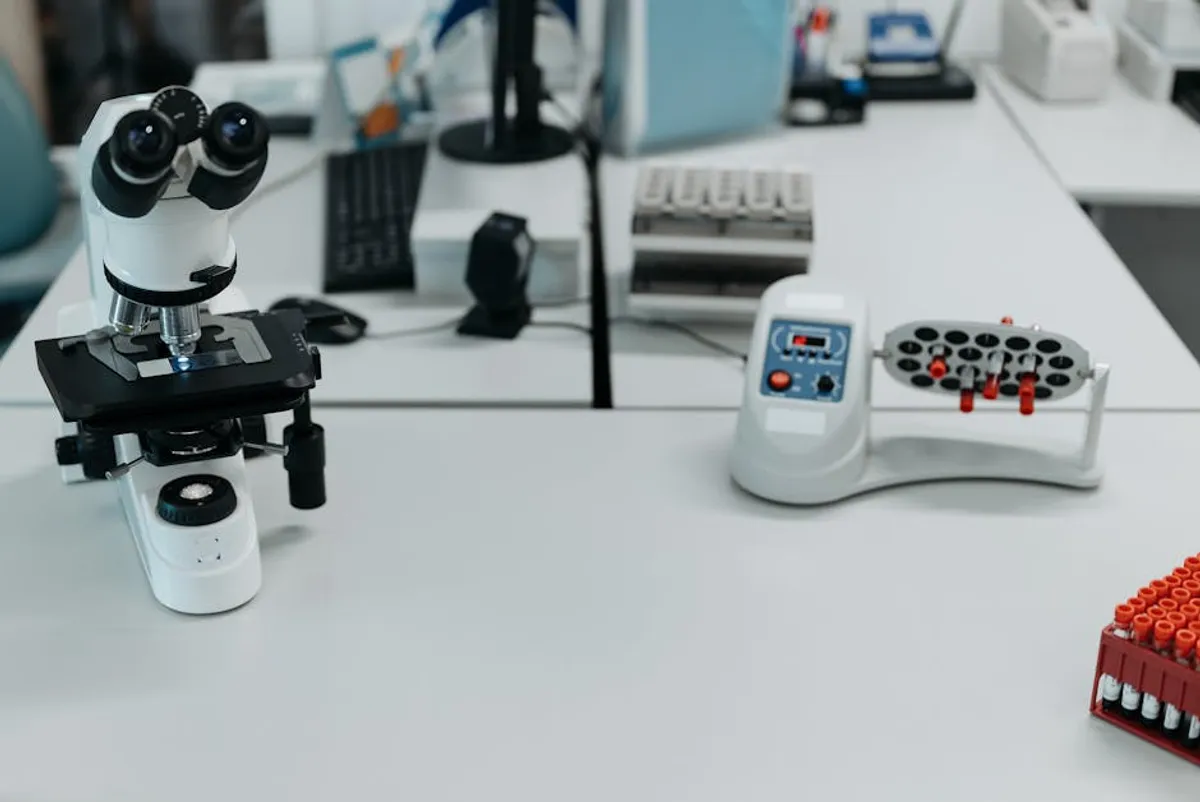
Optical Instruments
Best for: Microscopes, refractometers, spectrophotometers, cameras, lenses.
- Dust Protection: Always use lens caps and body caps. Store in sealed cabinets or desiccators to prevent dust accumulation on optical surfaces.
- Humidity Control: Desiccators with silica gel or electronic dehumidifiers are vital to prevent fungal growth on lenses and mirrors.
- Vibration: Store on stable, level surfaces or in padded cases to prevent misalignment of optical components.
Electronic Instruments
Best for: Oscilloscopes, multimeters, power supplies, data acquisition systems.
- Anti-Static Measures: Store sensitive electronics in anti-static bags or on grounded shelves to prevent electrostatic discharge (ESD) damage.
- Battery Management: Remove batteries from instruments not in active use to prevent leakage and corrosion.
- Temperature Stability: Avoid extreme temperature swings that can stress solder joints and component materials.
Precision Mechanical Instruments
Best for: Analytical balances, micrometers, calipers, rheometers.
- Calibration Preservation: Store in climate-controlled environments free from vibration to maintain calibration accuracy.
- Protective Cases: Utilize original padded cases or custom-fit containers to prevent mechanical damage during handling or storage.
- Cleanliness: Ensure instruments are clean and free of debris before storage to prevent wear on moving parts.
Glassware and Labware
Best for: Beakers, flasks, pipettes, petri dishes.
- Organization: Store on sturdy, level shelving, away from edges, to prevent accidental breakage.
- Separation: Keep clean and dirty glassware separate. Store specialized or calibrated glassware in protective cases or designated drawers.
- Chemical Compatibility: Ensure any residual chemicals are properly neutralized and removed before storage, especially for items exposed to corrosive substances.
Pro Tip: Implement a regular inspection schedule for all stored instruments, even those in long-term storage. This includes checking environmental controls, verifying desiccant efficacy, and looking for any signs of damage or degradation. Early detection of issues can prevent minor problems from escalating into costly failures.
Long-Term Storage Best Practices
When instruments are not in active use for extended periods, additional steps are necessary to ensure their readiness for future operation.
- Thorough Cleaning and Decontamination: Before storage, meticulously clean instruments according to manufacturer guidelines. Remove any chemical residues, biological contaminants, or dust. For sensitive components, use appropriate solvents and lint-free materials.
- Power Down and Disconnect: Ensure all instruments are properly powered off and disconnected from power sources. This prevents phantom power draw and protects against electrical surges.
- Battery Removal: As noted previously, remove all removable batteries to prevent leakage, which can severely damage internal electronics and battery compartments.
- Protective Covers and Cases: Utilize custom-fit dust covers, hard cases, or original packaging. These provide physical protection against impacts, dust, and light.
- Inventory and Documentation: Maintain a detailed inventory log for all stored instruments, noting their location, last calibration date, and any specific storage requirements. Attach clear labels to instruments and their storage containers.
- Scheduled Maintenance Checks: Even in storage, instruments benefit from periodic checks. This might involve briefly powering them on, checking for basic functionality, or recalibrating if the storage environment was not perfectly stable.
Ensuring Instrument Readiness
Effective instrument storage is an ongoing commitment, not a one-time task. By meticulously controlling environmental factors, selecting appropriate storage solutions for each instrument type, and adhering to rigorous best practices for long-term preservation, laboratories can significantly extend the operational life of their scientific equipment. This proactive approach minimizes downtime, reduces repair costs, and ensures that instruments deliver accurate and reliable results whenever they are needed.
Frequently Asked Questions
How often should stored instruments be checked for condition?
For instruments in long-term storage, a quarterly visual inspection is recommended to check environmental conditions, desiccant status, and any visible signs of degradation or damage. More sensitive or valuable instruments may warrant monthly checks.
What is the ideal humidity range for general scientific instrument storage?
A relative humidity range of 30-50% is generally considered ideal for most scientific instruments. This range minimizes the risk of both corrosion from high humidity and static electricity buildup from excessively dry conditions.
Should batteries always be removed from instruments in long-term storage?
Yes, it is highly recommended to remove all removable batteries from instruments intended for long-term storage. This prevents battery leakage, which can cause severe and often irreparable damage to internal electronics and battery compartments.
What are the primary risks of improper scientific instrument storage?
Improper storage risks include calibration drift, corrosion of metal components, degradation of optical surfaces (e.g., fungal growth), damage to electronic components from ESD or temperature extremes, and physical damage from impacts or vibrations. These issues lead to reduced accuracy, costly repairs, or premature instrument replacement.