Selecting the appropriate lab measurement tools is fundamental for achieving reliable experimental outcomes. Each instrument is designed for specific applications, offering varying degrees of precision, accuracy, and operational ease. Understanding these distinctions from the outset prevents costly errors, ensures data integrity, and optimizes resource allocation in any laboratory setting. This guide introduces essential categories of lab measurement tools, detailing their primary functions and ideal use cases to help beginners make informed choices.
Foundational Concepts for Lab Measurements
Before examining specific tools, grasp the core principles governing all lab measurements: accuracy, precision, and calibration. Accuracy refers to how close a measurement is to the true value. A highly accurate instrument provides results very near the actual quantity. Precision, conversely, describes the reproducibility of measurements—how close repeated measurements are to each other, regardless of their proximity to the true value. An instrument can be precise without being accurate, and vice versa. Calibration is the process of comparing an instrument's readings to a known standard, adjusting it as necessary to ensure both accuracy and precision. Regular calibration is critical for maintaining instrument reliability over time. Before examining specific tools, grasp the core principles governing all lab measurements: accuracy, precision, and calibration, and understand what measurement accuracy means in practice.
Pro Tip: Always prioritize the required level of accuracy and precision for your specific experiment. Using a high-precision instrument for a task only requiring approximate values wastes time and resources, while using a low-precision tool for a critical measurement compromises data validity.
Tools for Precise Volume Management
Measuring liquid volumes accurately is a cornerstone of many laboratory procedures. The choice of glassware or instrument depends heavily on the required precision.
Graduated Cylinders: General Purpose Volume
Graduated cylinders are tall, cylindrical containers with etched markings (graduations) along the side, indicating volume. They are typically made of glass or plastic.
- Best for: Measuring approximate volumes of liquids when high precision is not critical, such as preparing solutions where the exact concentration is not paramount, or for initial transfers.
- Precision: Moderate, generally accurate to within 1-5% of the measured volume, depending on size and class.
Pipettes: Accurate Liquid Transfer
Pipettes are designed for transferring precise, small volumes of liquid. There are several types, each with specific applications:
- Volumetric (or Transfer) Pipettes: These deliver a single, fixed volume with very high accuracy. They have a bulb in the middle and a single graduation mark.
- Best for: Preparing standard solutions, titrations, and any application requiring the most accurate single volume transfer.
- Precision: Very high, typically ±0.02% to ±0.05% of the stated volume.
- Graduated (or Measuring) Pipettes: These have multiple graduation marks and allow for the measurement and transfer of variable volumes.
- Best for: Dispensing various non-critical volumes, often used in biological assays or when a volumetric pipette is not available for a specific volume.
- Precision: Moderate, less precise than volumetric pipettes but more precise than graduated cylinders.
- Micropipettes: These are mechanical devices used for transferring very small, precise volumes (typically microliters). They use disposable tips.
- Best for: Molecular biology, analytical chemistry, and any application requiring sub-milliliter volume transfers.
- Precision: High, typically ±0.5% to ±2% depending on volume and calibration.
Burettes: Titration Precision
Burettes are long, graduated glass tubes with a stopcock at the bottom, used for dispensing variable, precise volumes of liquid, especially during titrations.
- Best for: Volumetric analysis, specifically titrations where the exact volume of a reagent added needs to be known to determine the concentration of an unknown solution.
- Precision: High, typically ±0.05 mL for a 50 mL burette.
Volumetric Flasks: Solution Preparation
Volumetric flasks are pear-shaped containers with a long neck and a single graduation mark, designed to hold a precise volume of liquid at a specific temperature.
- Best for: Preparing solutions of known, precise concentration (standard solutions) and for accurate dilutions.
- Precision: Very high, similar to volumetric pipettes, typically ±0.02% to ±0.05% of the stated volume.
Instruments for Accurate Mass Determination
Measuring mass accurately is crucial for preparing reagents, performing quantitative analyses, and understanding material properties.
Analytical Balances: High-Precision Weighing
Analytical balances are highly sensitive instruments used for measuring very small masses with extreme precision, typically to 0.0001 g (0.1 mg) or better. They are enclosed in a draft shield to prevent air currents from affecting the reading.
- Best for: Quantitative analysis, preparing reagents of exact concentrations, weighing precipitates, and any application requiring milligram-level accuracy.
- Precision: Very high, typically reading to four or more decimal places in grams.
Top-Loading Balances: General Lab Use
Top-loading balances (or precision balances) are less sensitive than analytical balances but offer faster readings and higher capacity. They typically measure to 0.01 g or 0.001 g.
- Best for: General laboratory weighing, preparing solutions where precision to the hundredth or thousandth of a gram is sufficient, and for quick measurements of larger samples.
- Precision: Moderate to high, typically reading to two or three decimal places in grams.
Devices for Temperature Monitoring
Temperature is a critical variable in many chemical and biological processes, influencing reaction rates, solubility, and enzyme activity.
Liquid-in-Glass Thermometers: Basic Temperature Readings
These traditional thermometers use the expansion and contraction of a liquid (mercury or alcohol) in a sealed glass tube to indicate temperature.
- Best for: General temperature monitoring in baths, ovens, or reactions where moderate accuracy is acceptable.
- Precision: Varies, typically ±0.5 °C to ±1 °C.
Digital Thermometers and Thermocouples: Advanced Monitoring
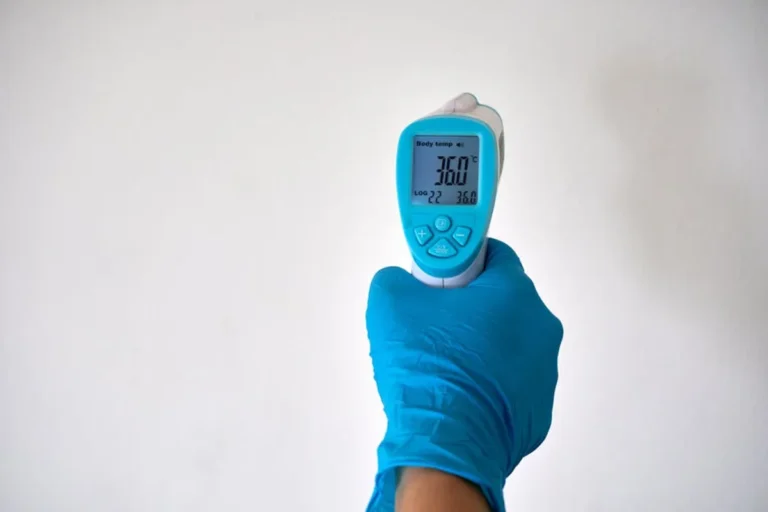
Digital thermometers use electronic sensors (like thermistors or resistance temperature detectors) to provide a digital temperature readout. Thermocouples are sensors that measure temperature by detecting voltage changes resulting from a temperature gradient.
- Best for: Applications requiring high accuracy, rapid response times, data logging, or remote monitoring. Thermocouples are particularly useful for extreme temperatures or in harsh environments.
- Precision: High, often ±0.1 °C or better, with specific models offering even greater accuracy.
Understanding pH Measurement
pH is a measure of the acidity or alkalinity of a solution, expressed on a scale from 0 to 14. Accurate pH measurement is vital in chemistry, biology, and environmental science.
pH Meters: Electrochemical Analysis
A pH meter consists of a pH-sensitive electrode (typically a glass electrode) connected to an electronic meter that displays the pH value. It measures the voltage difference between the sensing electrode and a reference electrode.
- Best for: Precise and rapid measurement of pH in various solutions, ensuring optimal conditions for chemical reactions, cell cultures, or environmental monitoring.
- Precision: High, typically to ±0.01 or ±0.02 pH units, when properly calibrated.
Maintaining Accuracy: Calibration and Care
Regardless of the tool, its accuracy and lifespan depend on proper handling and routine maintenance. Always clean glassware immediately after use to prevent residue buildup. Store balances in a stable environment away from vibrations and drafts, and calibrate them regularly using certified weights. Pipettes require routine calibration checks and servicing to ensure their piston mechanisms dispense accurately. pH electrodes need to be stored in appropriate solutions to maintain their sensitivity and calibrated with at least two buffer solutions that bracket the expected pH range of your samples. Adhering to manufacturer guidelines for care and calibration maximizes the reliability of your lab measurements.
Frequently Asked Questions
What is the primary difference between accuracy and precision in lab measurements?
Accuracy refers to how close a measurement is to the true value, while precision describes how reproducible a series of measurements are to each other, irrespective of their closeness to the true value.
How often should lab instruments like balances and pH meters be calibrated?
Calibration frequency depends on the instrument's usage, required accuracy, and manufacturer recommendations. High-use instruments or those critical for precise work may require daily or weekly calibration, while others might be calibrated monthly or quarterly.
When should I use a volumetric pipette instead of a graduated pipette?
Use a volumetric pipette when transferring a single, highly accurate volume of liquid is essential, such as in preparing standard solutions. A graduated pipette is suitable for dispensing variable volumes where slightly less precision is acceptable.
Why are analytical balances enclosed within a draft shield?
Analytical balances are extremely sensitive to air currents, which can cause fluctuations in readings. The draft shield protects the weighing pan from environmental disturbances, ensuring stable and accurate mass measurements down to very small increments.