Effective laboratory operations hinge on meticulous instrument handling. Without a structured safety checklist, laboratories face increased risks of equipment damage, compromised experimental data, and, critically, personnel injury. Implementing a comprehensive checklist is not merely a bureaucratic exercise; it is a proactive strategy to mitigate operational downtime, ensure regulatory compliance, and safeguard valuable research assets. This approach minimizes the financial burden of repairs and replacements, while preserving the integrity of scientific output by preventing errors stemming from improper instrument use.
Establishing a Foundational Safety Framework
A robust safety framework begins with understanding the specific risks associated with each piece of laboratory equipment. This involves a detailed assessment of mechanical, electrical, chemical, and biological hazards inherent to instrument operation. The framework should delineate clear roles and responsibilities for all personnel, from primary operators to maintenance staff, ensuring accountability for safety adherence.
Key considerations for framework development:
- Identify all instruments requiring a dedicated safety protocol.
- Categorize instruments by hazard level (e.g., high voltage, high pressure, biohazard, radiation).
- Assign responsibility for checklist creation, review, and enforcement.
- Establish a clear reporting mechanism for incidents or near-misses.
- Integrate safety protocols with existing quality management systems to ensure consistency.
Pre-Operation Instrument Checks
Before any instrument is powered on or used, a series of systematic checks must be performed. These preliminary steps are crucial for identifying potential issues that could escalate into safety hazards or operational failures during use. Neglecting these checks often leads to unforeseen complications, impacting both safety and data reliability.
Environmental Assessment
Verify that the instrument's immediate environment meets manufacturer specifications and safety standards. This includes checking ambient temperature, humidity levels, and ventilation. Inadequate environmental conditions can degrade instrument performance, shorten lifespan, and introduce safety risks, particularly for sensitive electronics or chemical processes.
Personal Protective Equipment (PPE) Verification
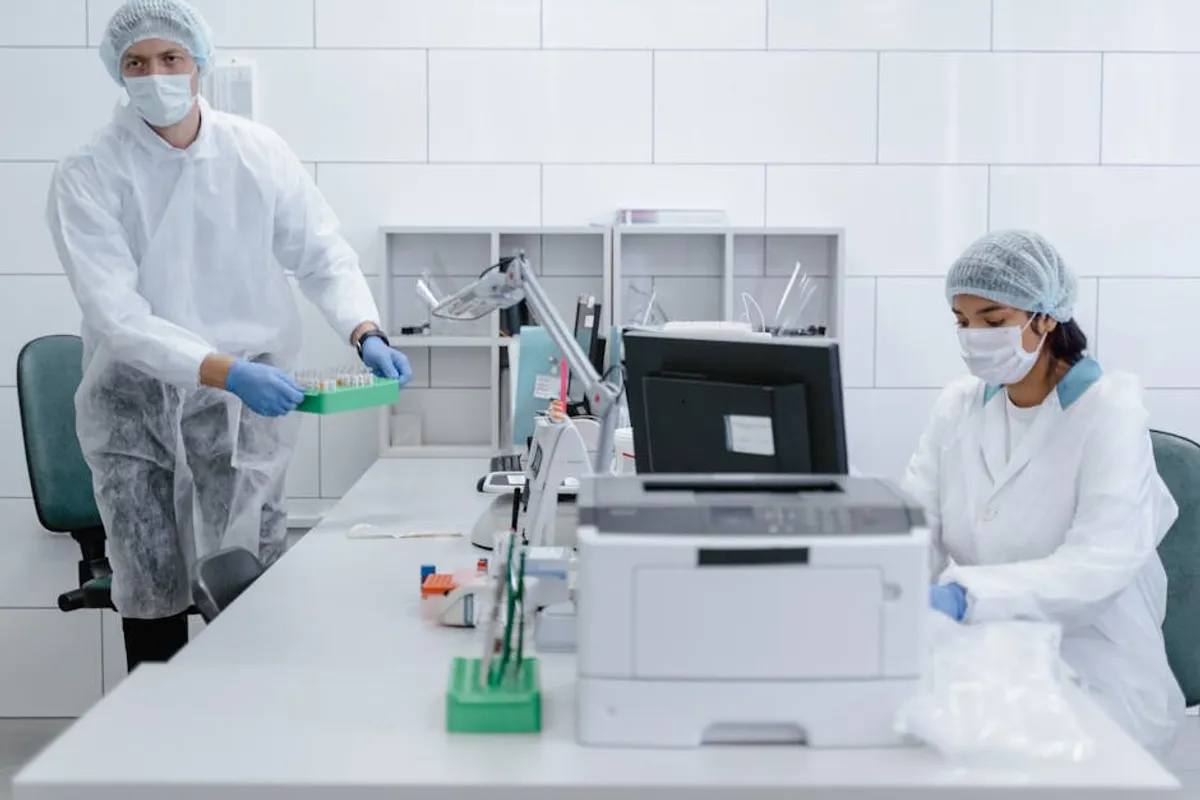
Confirm that all required PPE is readily available, in good condition, and correctly donned by the operator. This varies by instrument and procedure but commonly includes:
- Safety glasses or face shields to protect against splashes or projectiles.
- Gloves (nitrile, latex, or specialized chemical-resistant) appropriate for the materials being handled.
- Lab coats or protective clothing to prevent skin and clothing contamination.
- Hearing protection in areas with high noise levels.
- Respiratory protection if aerosols or hazardous fumes are present.
Regular inspection of PPE for wear, tears, or expiration dates is essential to ensure its protective efficacy.
Instrument Integrity Inspection
Conduct a visual and functional check of the instrument itself. Look for any visible damage, loose connections, frayed cables, or unusual wear. Confirm that all safety guards, interlocks, and emergency stop buttons are functional and unobstructed. For instruments using consumables or reagents, verify that they are correctly loaded, within their expiration dates, and compatible with the intended procedure. This proactive inspection prevents failures that could result from faulty components or improper setup.
Pro Tip: Implement a "lockout/tagout" procedure for instruments undergoing maintenance or repair. This physically prevents accidental power-up or operation, isolating energy sources and protecting personnel from unexpected machine startup or release of stored energy. Clearly tag equipment with status and responsible personnel.
Operational Safety Protocols
During instrument operation, adherence to established protocols is paramount. This phase requires constant vigilance and strict compliance with manufacturer guidelines and internal safety procedures. Deviations can lead to immediate hazards or long-term operational issues.
Key operational safety elements:
- Follow step-by-step Standard Operating Procedures (SOPs) precisely.
- Monitor instrument parameters for deviations from expected ranges.
- Ensure proper waste disposal for any byproducts generated during operation.
- Maintain clear communication among team members, especially during multi-person operations.
- Avoid distractions and maintain focus on the task at hand.
- Never leave an operating instrument unattended if it requires continuous monitoring or poses a dynamic risk.
Post-Operation and Maintenance Safety
Safety considerations extend beyond active instrument use. Proper shutdown, cleaning, and routine maintenance are critical for preserving equipment functionality and ensuring a safe environment for subsequent operations. Inadequate post-operation procedures can lead to contamination, corrosion, or undetected faults.
Post-operation checklist items:
- Safely power down the instrument according to manufacturer instructions.
- Clean all contact surfaces and components using appropriate cleaning agents and techniques, preventing cross-contamination and material degradation.
- Properly store or dispose of samples, reagents, and waste materials.
- Perform routine calibration and preventative maintenance as scheduled, documenting all activities. This ensures instrument accuracy and extends operational life.
- Report any observed malfunctions or performance anomalies for immediate investigation and repair.
Emergency Preparedness and Response
Despite rigorous precautions, unforeseen incidents can occur. A well-defined emergency plan is essential for minimizing harm and containing potential damage. This involves not only having the right equipment but also ensuring all personnel are trained to react effectively.
Essential emergency preparedness components:
- Clearly marked emergency exits and evacuation routes.
- Accessible fire extinguishers, spill kits, and first-aid stations.
- Regular drills for fire, chemical spills, and other potential lab emergencies.
- Knowledge of emergency contact numbers (internal and external).
- Training on how to safely shut down instruments and processes in an emergency.
- Designated personnel trained in advanced first aid or chemical spill response.
Implementing Continuous Safety Improvement
A safety checklist is a living document, requiring periodic review and updates to remain effective. Regular audits, incident analysis, and feedback from lab personnel provide valuable insights for refinement. This iterative process ensures that safety protocols evolve with new instruments, procedures, and regulatory changes, fostering a culture of continuous improvement and proactive risk management within the laboratory environment.
Frequently Asked Questions
Why is a dedicated safety checklist more effective than general guidelines?
A dedicated checklist provides specific, step-by-step instructions tailored to individual instruments and procedures, reducing ambiguity and ensuring critical safety measures are not overlooked. General guidelines often lack the granular detail required for complex lab operations.
How often should instrument safety checklists be reviewed and updated?
Checklists should be reviewed at least annually, or more frequently if new instruments are introduced, procedures change, or safety incidents occur. This ensures they remain relevant and address current risks.
What role does staff training play in the effectiveness of a safety checklist?
Training is crucial. A checklist is only effective if personnel understand its purpose, know how to execute each step correctly, and comprehend the underlying safety principles. Regular training reinforces compliance and builds a proactive safety mindset.
Can a single checklist cover multiple types of lab instruments?
While some general safety principles apply broadly, it is more effective to have instrument-specific checklists. This accounts for unique hazards and operational requirements of different equipment, preventing critical details from being generalized or missed.