Research laboratories operate at the frontier of discovery, where the validity of every finding hinges on the integrity of its data. Precision measurement instruments are not merely tools; they are foundational to scientific rigor, enabling researchers to quantify phenomena with high accuracy, repeatability, and resolution. Selecting the correct instrument involves more than matching a general application; it requires a detailed assessment of specific experimental parameters, environmental controls, and the long-term operational demands of the lab. Misalignment between instrument capabilities and research requirements can lead to unreliable data, wasted resources, and stalled progress. This guide outlines the critical considerations for acquiring and managing these essential pieces of laboratory infrastructure.
Essential Categories of Precision Measurement Instruments
The landscape of laboratory instrumentation is diverse, with each category addressing specific analytical or quantitative needs. Understanding these broad classifications helps narrow the initial search, focusing on instruments designed for particular types of samples, analyses, and desired outputs.
Spectroscopic Systems
Spectroscopy encompasses techniques that measure the interaction of matter with electromagnetic radiation. These instruments are indispensable for identifying substances, quantifying concentrations, and elucidating molecular structures.
- UV-Vis Spectrophotometers: Measure absorbance or transmittance of light in the ultraviolet and visible regions.
Best for: Quantitative analysis of solutions, reaction kinetics, and purity assessments in biochemistry, chemistry, and environmental science.
- FTIR Spectrometers: Utilize infrared radiation to identify functional groups and molecular structures.
Best for: Material characterization, polymer analysis, quality control, and contaminant identification in organic chemistry and materials science.
- Mass Spectrometers (MS): Ionize samples and separate ions based on their mass-to-charge ratio. Often coupled with chromatography.
Best for: High-sensitivity detection, identification, and quantification of compounds, particularly in proteomics, metabolomics, and forensic analysis.
Chromatographic Systems
Chromatography separates components within a mixture, allowing for individual identification and quantification. These systems are crucial for complex sample analysis.
Gas Chromatography (GC): Separates volatile compounds by passing them through a stationary phase with a gaseous mobile phase.
Best for: Analysis of volatile organic compounds, petrochemicals, flavors, and fragrances.
High-Performance Liquid Chromatography (HPLC): Separates non-volatile or thermally unstable compounds using a liquid mobile phase.
Best for: Pharmaceutical analysis, food safety, environmental monitoring, and clinical diagnostics.
Advanced Microscopy
Microscopy provides visual and structural information at magnifications far beyond the human eye, critical for material science, biology, and nanotechnology.
Scanning Electron Microscopes (SEM): Produce high-resolution images of sample surfaces by scanning with a focused beam of electrons.
Best for: Topographical analysis, morphological studies, and elemental composition (with EDS attachment) of solid materials.
Atomic Force Microscopes (AFM): Image surfaces at the nanoscale by "feeling" the surface with a sharp probe.
Best for: Surface roughness measurements, nanostructure characterization, and force spectroscopy in materials science and biology.
Key Selection Criteria for Research Instrumentation
Choosing the right instrument extends beyond its primary function. Several operational and technical factors directly impact its utility and the quality of research outcomes.
Accuracy, Precision, and Resolution
These are paramount for any measurement. Accuracy refers to how close a measurement is to the true value, precision to the repeatability of measurements, and resolution to the smallest change an instrument can detect. Instruments must meet or exceed the minimum requirements for the specific experimental question. For instance, a pharmaceutical lab quantifying trace impurities requires significantly higher resolution and precision than a teaching lab demonstrating basic chemical reactions.
Sample Compatibility and Throughput
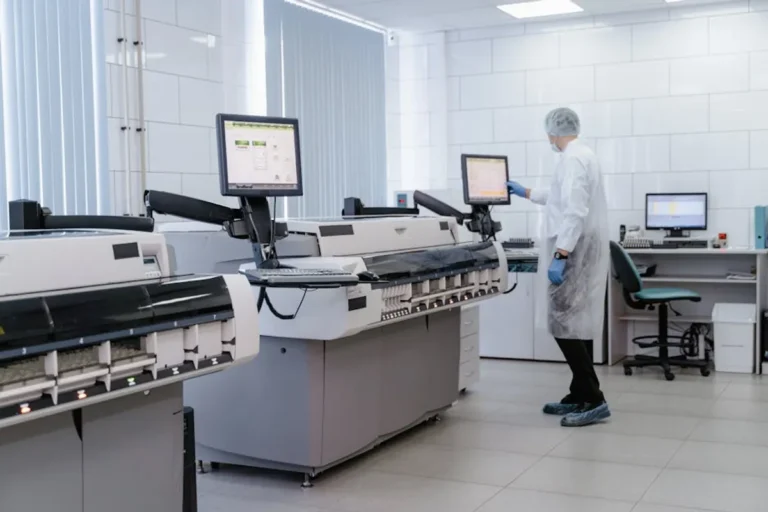
Consider the physical state, volume, and chemical properties of samples. Some instruments are optimized for liquids, others for solids or gases. High-throughput labs require automated sample changers, rapid analysis cycles, and robust software for data processing. A system designed for individual sample analysis will bottleneck a lab processing hundreds of samples daily, irrespective of its precision.
Environmental Requirements and Footprint
Precision instruments often demand stable temperatures, humidity control, vibration isolation, and specific power requirements. Some require dedicated spaces due to size, noise, or specialized ventilation. Overlooking these can compromise instrument performance or necessitate costly facility modifications post-purchase.
Pro Tip: Always request a detailed site preparation guide from the instrument manufacturer before purchase. This document outlines specific electrical, HVAC, space, and safety requirements, helping prevent installation delays and unexpected infrastructure costs. Verify that your lab infrastructure can support these demands without compromise.
Software Integration and Data Management
Modern research generates vast datasets. The instrument's software should offer intuitive operation, robust data acquisition, and flexible analysis capabilities. Compatibility with existing Laboratory Information Management Systems (LIMS) or other data analysis platforms is critical for seamless workflow and data integrity. Evaluate features like custom reporting, automated data export, and audit trails for compliance.
Budgetary and Operational Costs
Beyond the initial purchase price, consider the total cost of ownership. This includes consumables (reagents, columns, lamps), service contracts, calibration costs, software licenses, and potential downtime. Instruments with lower upfront costs may incur higher long-term operational expenses due to proprietary consumables or frequent maintenance needs.
Implementing and Maintaining Precision Instruments for Longevity
Proper installation, routine calibration, and preventative maintenance are non-negotiable for sustaining instrument performance and data reliability.
Installation and Initial Qualification
Professional installation by certified technicians ensures the instrument operates according to manufacturer specifications from day one. Following installation, Operational Qualification (OQ) and Performance Qualification (PQ) tests verify that the instrument functions correctly in its intended environment and performs within specified limits for its application. Documenting these initial benchmarks provides a baseline for future performance monitoring.
Calibration and Verification Schedules
Regular calibration against certified reference materials is essential to maintain accuracy over time. Establish a strict calibration schedule based on manufacturer recommendations, instrument usage, and regulatory requirements. Verification checks, performed more frequently, confirm that the instrument remains within acceptable operating parameters between full calibrations.
Preventative Maintenance and Service Contracts
Scheduled preventative maintenance (PM) by qualified service engineers helps identify and address potential issues before they lead to instrument failure or data corruption. Service contracts can provide access to rapid technical support, discounted parts, and routine PM, minimizing downtime and ensuring consistent performance. Evaluate contract terms carefully, considering response times, included services, and parts availability.
Optimizing Research Outcomes with Advanced Instrumentation
The strategic deployment and meticulous management of precision measurement instruments directly correlate with a lab's ability to produce defensible, high-impact research. By prioritizing instruments that align precisely with scientific objectives, ensuring their accurate operation through rigorous maintenance, and integrating them into efficient data workflows, research labs can maximize their investment and accelerate discovery. The careful selection process, coupled with a commitment to ongoing operational excellence, transforms these sophisticated tools from mere equipment into indispensable partners in scientific advancement.
Frequently Asked Questions
What defines a "precision measurement instrument"?
A precision measurement instrument is characterized by its ability to provide highly accurate, repeatable, and resolved measurements, often exceeding standard laboratory equipment capabilities. These instruments typically feature advanced sensing technologies, robust construction, sophisticated data processing, and require stringent calibration to maintain their performance specifications.
How often should lab instruments be calibrated?
Calibration frequency depends on several factors: manufacturer recommendations, instrument usage intensity, the criticality of the measurements, and regulatory compliance standards (e.g., GLP, GMP). High-use instruments or those critical for regulatory compliance may require monthly or quarterly calibration, while others might be calibrated annually. Always consult the instrument's manual and relevant industry guidelines.
What is the role of software in modern lab instrumentation?
Software is integral to modern lab instrumentation, facilitating instrument control, data acquisition, processing, analysis, and reporting. It enables automation, enhances data integrity through audit trails, and often provides advanced algorithms for complex data interpretation. Effective software integration streamlines workflows, improves data quality, and supports compliance.
What are common pitfalls when selecting new lab equipment?
Common pitfalls include underestimating total cost of ownership (ignoring consumables, service, and infrastructure upgrades), failing to assess true throughput needs, inadequate consideration of software integration with existing systems, and neglecting environmental requirements. Another frequent error is selecting an instrument based solely on its primary function without evaluating its flexibility for future research directions.