Scientific data logging involves the automated collection and storage of environmental or experimental parameters over time. For professionals in research, manufacturing, environmental monitoring, or quality assurance, selecting the appropriate data logging system is a critical decision. The choice directly impacts data accuracy, regulatory compliance, operational efficiency, and the validity of long-term studies. An effective system ensures reliable data capture, minimizes human error, and provides actionable insights for analysis and decision-making.
Core Components of a Scientific Data Logging System
A functional scientific data logging setup comprises several integrated elements, each playing a distinct role in the data acquisition process. Understanding these components is fundamental to specifying a system that meets specific project requirements.
Sensors and Transducers
These are the primary interfaces with the physical environment, converting specific physical phenomena into measurable electrical signals. The selection of sensors is paramount, as their accuracy, range, and stability directly dictate the quality of the collected data. Common types include:
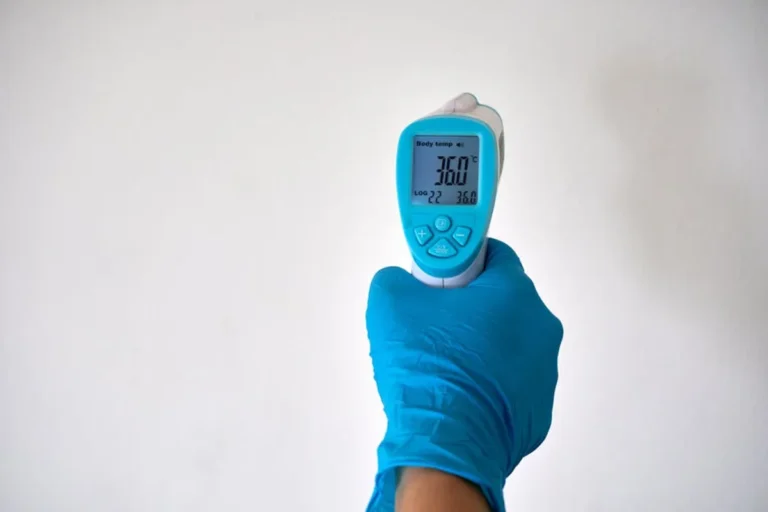
- Thermocouples, Thermistors, and RTDs: For temperature measurement across various ranges and precision levels.
- Pressure Transducers: To monitor gas or liquid pressure in pipelines, chambers, or environmental systems.
- Humidity Sensors: Essential for climate control, material storage, and environmental studies.
- pH Probes: For measuring acidity or alkalinity in liquids, critical in chemical and biological applications.
- Current/Voltage Transducers: To monitor electrical parameters in industrial processes or energy audits.
Each sensor type requires specific calibration protocols and has inherent limitations regarding drift, response time, and environmental resilience. Proper sensor selection aligns directly with the parameter being measured and the required measurement resolution.
The Data Logger Unit
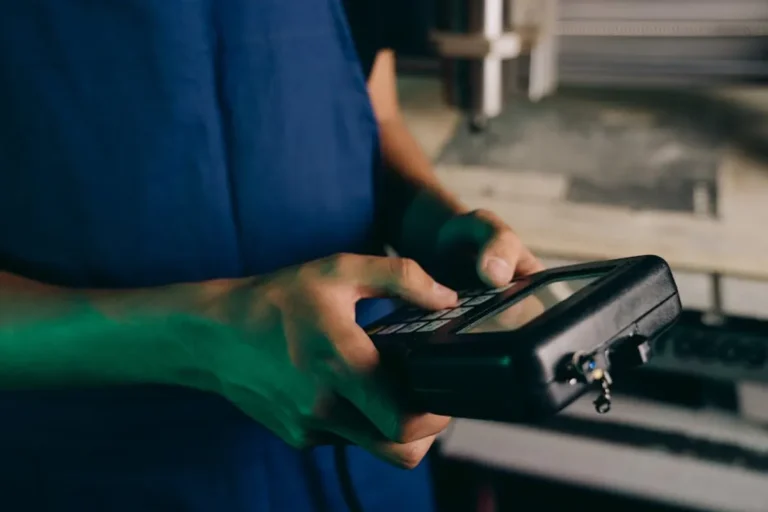
The data logger itself is the central processing unit, responsible for digitizing the analog signals from sensors, time-stamping them, and storing the data. Key specifications of a logger include:
- Channel Count: The number of independent sensors it can connect and record data from simultaneously. Systems range from single-channel devices to multi-channel loggers handling dozens of inputs.
- Sampling Rate: How frequently data points are recorded. This can vary from fractions of a second (e.g., 100 Hz for transient events) to minutes or hours (e.g., 1 sample per hour for long-term climate monitoring). Higher sampling rates generate more data, demanding greater memory and faster processing.
- Internal Memory: The capacity to store recorded data. Memory is typically measured in megabytes or gigabytes, directly influencing how long the logger can operate autonomously before data offload is necessary.
- Power Source: Many loggers are battery-powered for remote deployment, with battery life dependent on sampling rate, transmission frequency, and operating temperature. External power options are common for fixed installations.
Software for Analysis and Management
Dedicated software interfaces are crucial for configuring the data logger, downloading recorded data, and performing subsequent analysis. Essential software functions include:
- Configuration: Setting sampling intervals, alarm thresholds, and sensor types.
- Data Retrieval: Facilitating efficient transfer of logged data via USB, Ethernet, or wireless protocols.
- Visualization: Presenting data graphically through charts, trends, and statistical summaries.
- Reporting: Generating customizable reports for compliance, quality control, or research documentation.
- Remote Access and Alerts: For systems with network connectivity, software can enable real-time monitoring, remote configuration adjustments, and automated alerts via email or SMS when parameters exceed predefined thresholds.
Critical Factors in System Selection
Choosing the right data logging system demands a thorough evaluation of several practical and technical considerations:
Measurement Range and Accuracy Requirements
Define the minimum and maximum values for each parameter to be measured, along with the acceptable margin of error. For instance, a pharmaceutical cold chain application might require temperature accuracy within +/- 0.1°C, while environmental air temperature monitoring might tolerate +/- 1.0°C. Over-specifying accuracy can lead to unnecessary costs, while under-specifying risks invalidating results.
Sampling Interval and Duration
Determine how frequently data needs to be recorded to capture relevant events or trends. A rapid process requires a high sampling rate, leading to large datasets. Conversely, a slow-changing environment allows for longer intervals. Calculate the total logging duration required to ensure the logger's memory and battery life are sufficient for the entire period.
Environmental Resilience
Consider the operating environment. Factors like temperature extremes, humidity, dust, water exposure, and chemical contaminants necessitate loggers with appropriate IP (Ingress Protection) ratings and robust casing materials. For example, an IP67-rated logger is suitable for dusty or temporarily submersible conditions.
Data Access and Connectivity
Evaluate how data will be retrieved. Options range from manual data offload via USB (suitable for infrequent access or remote sites without network infrastructure) to network-enabled loggers (Ethernet, Wi-Fi) for automated data transfer to a central server or cloud platform. Cellular connectivity is vital for truly remote, unattended installations. Real-time data access often requires continuous power and network availability.
Budget and Scalability
Beyond the initial purchase price, factor in the long-term cost of ownership, including calibration services, software licenses, sensor replacements, and potential data storage fees for cloud-based solutions. Assess whether the system can be expanded to accommodate additional sensors or integrate with existing monitoring infrastructure as project needs evolve.
Pro Tip: Regular calibration of all sensors and data loggers is non-negotiable for maintaining data integrity. Deviations as small as 0.1% can invalidate years of research or lead to significant operational failures in critical applications. Establish a documented calibration schedule and adhere to it rigorously.
Practical Applications Across Industries
Scientific data logging systems are indispensable across a wide array of sectors:
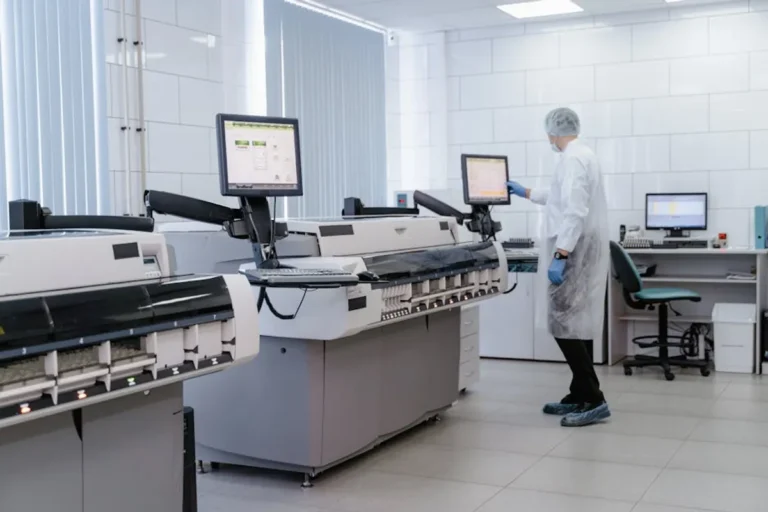
- Pharmaceutical and Healthcare: Monitoring cold chain integrity for vaccines and drugs, ensuring stability chamber conditions, and maintaining precise temperatures in blood banks and pharmacies.
- Environmental Monitoring: Tracking air and water quality parameters, weather patterns, soil moisture, and greenhouse gas emissions for climate research and regulatory compliance.
- Food and Beverage: Ensuring HACCP compliance by monitoring refrigeration temperatures, pasteurization processes, and storage conditions to prevent spoilage and ensure food safety.
- Industrial and Manufacturing: Optimizing production processes, monitoring machinery health (e.g., vibration, temperature), tracking energy consumption, and ensuring quality control in sensitive environments.
- Research and Development: Capturing precise data for experimental validation, material testing, climate control in laboratories, and long-term studies across various scientific disciplines.
Optimizing Your Data Logging Strategy
Beyond hardware and software selection, an effective data logging strategy involves operational best practices. Implement robust data validation protocols to identify anomalies or sensor malfunctions promptly. Configure alarm thresholds within the software to trigger immediate notifications when critical parameters are exceeded, allowing for timely intervention. Automate reporting functions to streamline compliance documentation and provide stakeholders with regular, consistent data summaries. For long-term projects, establish clear data backup and archival procedures to ensure data security and accessibility over extended periods.
Making Informed Logging System Choices
The "best" scientific data logging system is not a universal product but rather the one that most precisely aligns with your specific application's demands. Focus on clearly defining your measurement objectives, understanding the environmental constraints of your deployment, and anticipating your data management and analysis needs. Prioritize systems that offer proven reliability, robust data integrity features, and comprehensive technical support. A well-chosen data logging system serves as a foundational tool for accurate data-driven insights, ensuring the validity and success of scientific and commercial endeavors.
Frequently Asked Questions
What distinguishes a data logger from a data acquisition (DAQ) system?
Data loggers are typically standalone, battery-powered devices designed for long-term, unattended monitoring at slower sampling rates (e.g., seconds to hours). DAQ systems often require a host computer, offer higher channel counts, and achieve much faster sampling rates (e.g., kHz to MHz) for real-time analysis, control, or transient event capture.
How frequently should data loggers be calibrated?
Calibration frequency depends on the sensor type, application criticality, manufacturer recommendations, and regulatory requirements. Generally, annual or semi-annual calibration is standard. High-precision or critical applications may require quarterly checks, while less critical uses might allow for longer intervals.
Can data loggers operate wirelessly?
Yes, many modern data loggers offer wireless connectivity options such as Wi-Fi, Bluetooth, or cellular (4G/5G). These features enable remote data access, real-time monitoring, and automated data uploads to cloud platforms, significantly reducing the need for manual data collection.
What factors primarily affect a data logger's battery life?
Battery life is mainly influenced by the sampling rate (faster rates consume more power), the frequency of wireless data transmission, the operating temperature (extreme cold or heat reduces battery efficiency), and the power draw of connected sensors. Loggers with low-power sensors and infrequent sampling/transmission will have the longest battery life.