Laboratories operate under stringent conditions where environmental stability directly impacts the validity of research, the reliability of results, and the integrity of stored materials. Temperature and humidity sensors are not merely accessory devices; they are foundational instruments for maintaining controlled environments, ensuring regulatory compliance, and protecting valuable assets. Selecting the right sensors demands a clear understanding of specific lab requirements, the technical nuances of available technologies, and the long-term implications for data accuracy and operational efficiency. This guide outlines the critical considerations for labs evaluating these essential monitoring tools, moving beyond basic specifications to practical application and sustained performance.
The Imperative of Environmental Control in Lab Operations
Precision in temperature and humidity control is non-negotiable across diverse laboratory settings, from pharmaceutical development and biotechnology to materials science and environmental testing. Deviations, even minor ones, can compromise experimental reproducibility, degrade reagents, accelerate sample decay, or invalidate calibration standards. Regulatory bodies like the FDA, ISO, and various national accreditation organizations often mandate specific environmental monitoring protocols, making accurate and reliable sensor data a compliance necessity. Beyond regulatory adherence, consistent environmental conditions reduce experimental variability, minimize costly re-runs, and safeguard the integrity of research outcomes.
Impact on Sample Integrity and Reagent Stability
Many biological samples, chemical reagents, and reference materials are highly sensitive to thermal and hygroscopic fluctuations. For instance, enzymes can denature outside optimal temperature ranges, while certain chemicals may absorb moisture, altering their concentration or reactivity. Consistent monitoring provides the data necessary to detect and mitigate these risks proactively, ensuring that samples remain viable and reagents perform as expected throughout their shelf life and experimental use.
Core Sensor Technologies: A Lab Perspective
Understanding the underlying technology of temperature and humidity sensors is crucial for matching device capabilities to specific lab applications. Each type offers distinct advantages and limitations regarding accuracy, range, response time, and stability.
Temperature Sensor Types
Labs primarily utilize three main types of contact temperature sensors, alongside non-contact options for specialized applications:
- Resistance Temperature Detectors (RTDs): These sensors measure temperature by correlating resistance with temperature. Platinum RTDs (Pt100, Pt1000) are favored in labs for their high accuracy, excellent stability over time, and wide temperature range. They are slower to respond than thermocouples but offer superior linearity and repeatability.
- Thermocouples: Composed of two dissimilar metals, thermocouples generate a voltage difference proportional to temperature. They offer a very wide measurement range and fast response times, making them suitable for dynamic processes or extreme temperatures. However, their accuracy is typically lower than RTDs, and they require cold junction compensation for precise readings.
- Thermistors: These are semiconductor-based resistors whose resistance changes significantly with temperature. Thermistors provide high sensitivity and resolution within a narrower temperature range, making them ideal for precise measurements in specific applications, often at a lower cost than RTDs. They are less stable than RTDs over extended periods.
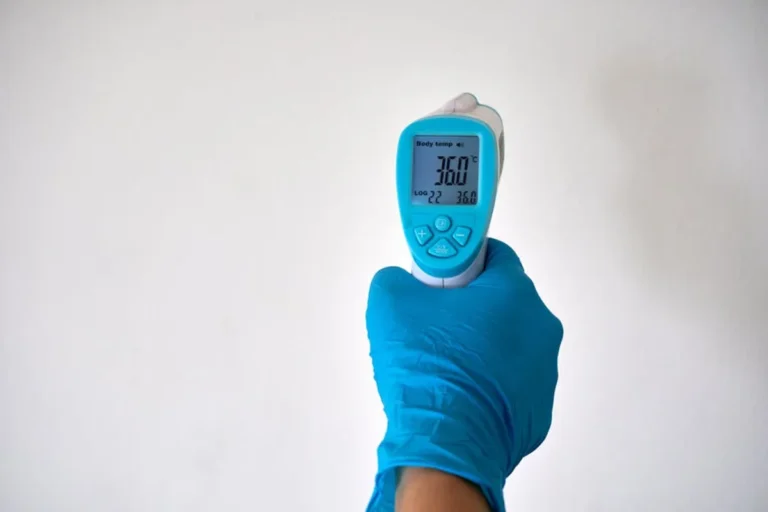
- Infrared (Non-contact) Sensors: Used for measuring surface temperatures of objects without direct contact. Useful for hazardous materials, moving parts, or where contact would alter the sample's temperature. Accuracy depends heavily on emissivity settings and line of sight.
Humidity Sensor Types
Humidity sensors, often referred to as hygrometers, measure relative humidity (RH) or dew point:
- Capacitive Humidity Sensors: The most common type in lab environments, these sensors measure changes in capacitance due to moisture absorption by a dielectric material. They offer good accuracy, a wide RH range, and are generally stable, though they can experience drift over time and require periodic calibration.
- Resistive Humidity Sensors: These sensors measure changes in electrical resistance of a hygroscopic material. They are generally less accurate than capacitive types but are cost-effective and suitable for applications where high precision is not paramount.
- Chilled Mirror Hygrometers: Considered the most accurate and stable humidity sensors, chilled mirror devices measure the dew point by chilling a mirror until condensation forms. They are often used as reference standards for calibrating other humidity sensors due to their high precision and minimal drift, but are typically more expensive and larger.
Critical Selection Criteria for Lab Sensors
Choosing the appropriate sensors involves a detailed evaluation against several performance and operational parameters.
Accuracy, Resolution, and Measurement Range
Accuracy: Defines how close a sensor's reading is to the true value. For labs, accuracy specifications (e.g., ±0.1°C or ±1.5% RH) must align with the critical tolerances of experiments or storage conditions.
Resolution: The smallest change in temperature or humidity that the sensor can detect. High resolution is vital for identifying subtle environmental shifts that could impact sensitive processes.
Measurement Range: Ensure the sensor's operational range comfortably encompasses the expected minimum and maximum temperatures and humidity levels within the monitored space, including any potential excursions.
Stability, Drift, and Response Time
Stability: A sensor's ability to maintain its calibration over time. High stability reduces the frequency of recalibration, minimizing downtime and operational costs.
Drift: The gradual deviation of a sensor's reading from its true value over time. Understanding a sensor's typical drift rate is essential for scheduling proactive maintenance and calibration.
Response Time: How quickly a sensor reacts to a change in environmental conditions and settles on a new stable reading. Fast response times are critical for dynamic processes or alarm systems where immediate detection of deviations is necessary.
Environmental Robustness and Connectivity
Environmental Robustness: Sensors must withstand the specific conditions of the lab, including exposure to chemicals, extreme temperatures, high humidity, or particulate matter. Look for sensors with appropriate IP ratings and materials resistant to corrosive agents.
Connectivity and Data Logging: Modern labs require sensors that integrate seamlessly with data acquisition systems, LIMS (Laboratory Information Management Systems), or building management systems. Consider options with wired (Ethernet, RS-485) or wireless (Wi-Fi, Bluetooth, LoRaWAN) connectivity, along with robust data logging capabilities for historical analysis and audit trails.
Pro Tip: Never underestimate the impact of sensor placement. Positioning a sensor too close to a heat-generating instrument, a cold air vent, or an external wall can lead to consistently inaccurate readings, regardless of the sensor's inherent quality. Always place sensors in locations representative of the overall environment being monitored, away from direct airflow or radiant heat sources.
Maintaining Sensor Performance and Compliance
The initial selection of high-quality sensors is only the first step. Ongoing maintenance and calibration are critical for sustained accuracy and regulatory compliance.
Calibration and Traceability
Regular calibration against traceable standards is paramount. Calibration verifies a sensor's accuracy and corrects any drift. Labs should establish a calibration schedule based on sensor specifications, application criticality, and regulatory requirements. Traceability means that the calibration of the sensor can be linked back through an unbroken chain of comparisons to national or international measurement standards.
Documentation and Audit Trails
Comprehensive documentation of sensor specifications, calibration certificates, maintenance logs, and recorded data is essential for internal quality control and external audits. Automated data logging systems with secure, timestamped records significantly streamline this process and enhance data integrity.
Ensuring Reliable Lab Conditions
The effective deployment of temperature and humidity sensors forms a cornerstone of laboratory quality assurance. By meticulously selecting sensors based on performance specifications, understanding their technological foundations, and committing to rigorous calibration and maintenance protocols, labs can establish and uphold the precise environmental controls necessary for valid research, compliant operations, and the protection of invaluable assets. Prioritizing these elements ensures that environmental monitoring contributes directly to the reliability and credibility of all laboratory activities.
Frequently Asked Questions
How often should lab temperature and humidity sensors be calibrated?
Calibration frequency depends on the sensor's stability specifications, the criticality of the application, and regulatory requirements. Typically, annual calibration is a common starting point, but some highly critical applications or less stable sensors may require quarterly or bi-annual calibration. Reviewing historical drift data can help optimize this schedule.
What is the difference between accuracy and precision in sensor specifications?
Accuracy refers to how close a sensor's measurement is to the true value. Precision refers to the repeatability of measurements—how close successive measurements are to each other, even if they are not close to the true value. Labs require both high accuracy for correct readings and high precision for consistent, reproducible results.
Can a single sensor accurately measure both temperature and humidity?
Yes, many combined temperature and humidity sensors are available. These integrated sensors often use a capacitive element for humidity and a thermistor or RTD for temperature. They are convenient for monitoring general environmental conditions in a single location, but their combined performance specifications should be carefully evaluated against the specific accuracy and range requirements for both parameters.
How do I choose between different temperature sensor technologies (RTD, Thermocouple, Thermistor)?
The choice depends on the specific application: RTDs offer high accuracy and stability for general lab and calibration purposes. Thermocouples are best for very wide temperature ranges and fast response in dynamic or extreme conditions, despite lower accuracy. Thermistors provide high sensitivity and cost-effectiveness for precise measurements within narrower, specific temperature bands.