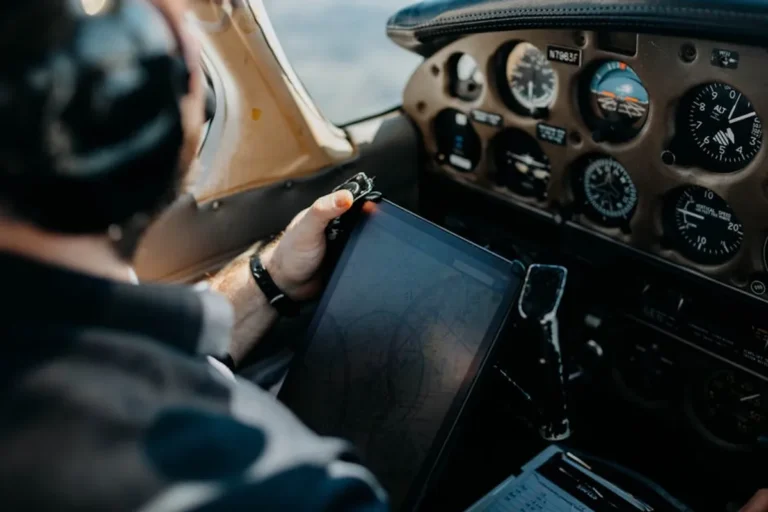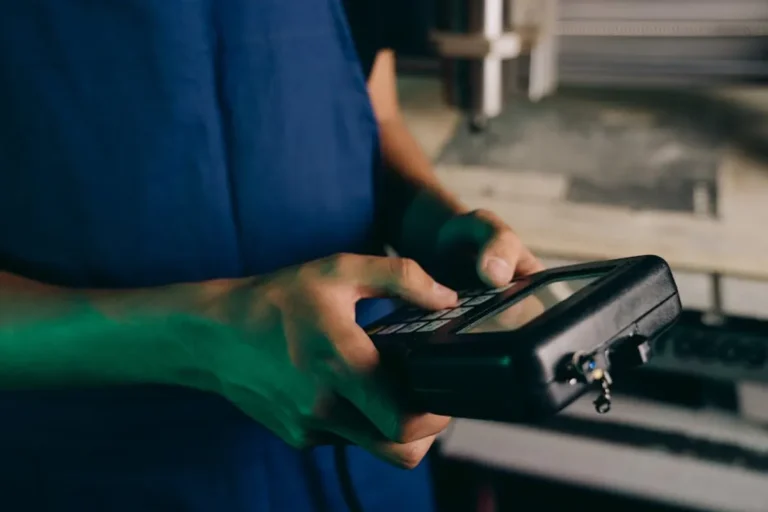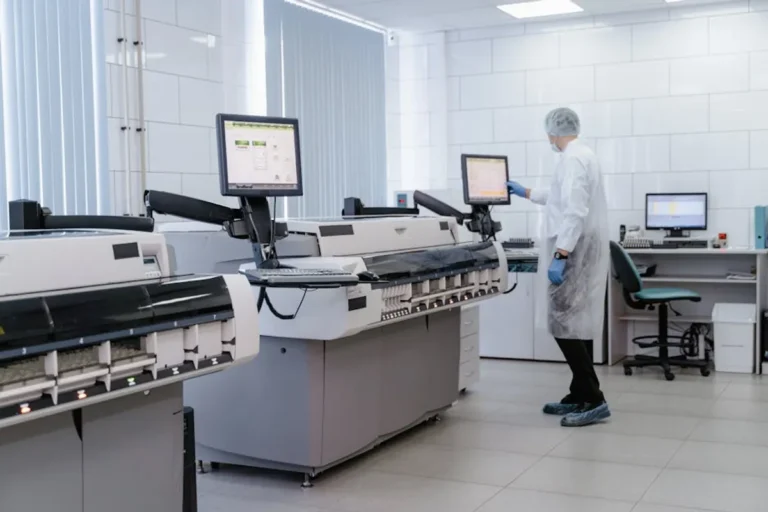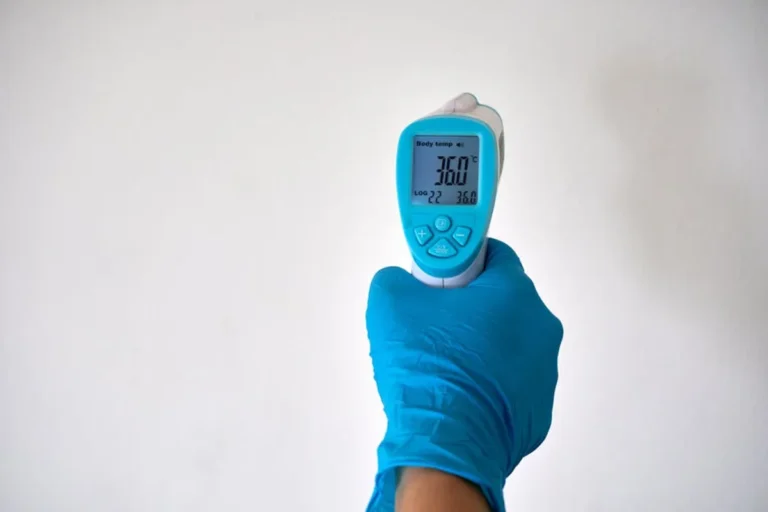
A data logger is an electronic device designed to automatically record measurements over time, using internal or external sensors. These measurements can include environmental parameters like temperature, humidity, and pressure, or process variables such as voltage, current, and pulse counts. Unlike manual recording or real-time monitoring systems that require constant human oversight, data loggers operate autonomously, storing data at predetermined intervals for later retrieval and analysis. This capability is critical for applications demanding continuous, reliable data collection without direct human intervention, offering a verifiable record for compliance, quality control, and operational optimization.
Core Functionality: How Data Loggers Work
At its core, a data logger integrates a sensor, a microprocessor, memory storage, and a power source. The sensor converts a physical parameter into an electrical signal. The microprocessor then digitizes this signal and stores it in the device's internal memory at a user-defined sampling rate. This rate can range from seconds to hours, depending on the application's need for granular data versus extended battery life.
Data retrieval typically occurs via a direct connection to a computer (USB, serial), wireless transmission (Bluetooth, Wi-Fi, cellular), or by physically removing a memory card. Specialized software then allows users to configure the logger, download recorded data, visualize it through graphs and tables, and export it for further analysis or reporting. The reliability of this stored data is paramount for decision-making, regulatory compliance, and identifying trends that might otherwise go unnoticed.
Types of Data Loggers and Their Applications
The variety of data loggers available reflects the diverse range of parameters they can monitor and the environments in which they operate. Understanding these types helps in selecting the appropriate device for specific commercial or industrial needs.
Standalone Data Loggers
These are self-contained units that operate independently once configured. They are often battery-powered and designed for long-term deployment in remote or inaccessible locations where continuous power and network connectivity are not guaranteed.
Best for: Environmental monitoring (soil temperature, water levels), cold chain logistics (food and pharmaceutical transport), building performance analysis.
USB Data Loggers
Characterized by their integrated USB interface, these loggers simplify data retrieval by plugging directly into a computer. They are typically compact and cost-effective, making them popular for single-parameter monitoring.
Best for: HVAC system validation, laboratory temperature monitoring, personal exposure monitoring.
Wireless Data Loggers
These devices transmit data wirelessly using technologies such as Wi-Fi, Bluetooth, Zigbee, or cellular networks. This eliminates the need for manual data collection, enabling real-time monitoring and alerts.
Best for: Large-scale facility monitoring, critical equipment surveillance, remote asset management in agriculture or infrastructure.
Multi-Channel Data Loggers
Capable of monitoring multiple parameters simultaneously, these loggers often feature several input ports for various sensors. They are essential when the interplay between different variables needs to be understood.
Best for: Industrial process control, complex HVAC systems, research and development where multiple environmental factors are critical.
Key Specifications for Selection
Choosing the right data logger requires evaluating several technical specifications to ensure it meets the application's demands. Overlooking these details can lead to inaccurate data, operational inefficiencies, or compliance failures.
Accuracy and Resolution
Accuracy refers to how close a logger's measurement is to the true value, typically expressed as a percentage or specific unit deviation (e.g., ±0.5°C). Resolution indicates the smallest change in a measured variable that the logger can detect and record (e.g., 0.1°C). High accuracy and resolution are crucial for applications requiring precise measurements, such as pharmaceutical storage or scientific research.
Sampling Rate and Memory Capacity
The sampling rate dictates how often a measurement is taken. A higher sampling rate captures more detailed changes but consumes memory and battery faster. Memory capacity determines how many data points the logger can store before needing to be downloaded. For long-term deployments or monitoring rapidly changing conditions, a generous memory capacity and appropriate sampling rate are vital.
Environmental Durability
Data loggers deployed in harsh conditions require specific ingress protection (IP) ratings to resist dust and water, and robust casings to withstand shock and vibration. Operating temperature ranges are also critical; a logger designed for indoor use will fail in extreme outdoor environments.
Software and Connectivity
The accompanying software should be intuitive, allowing for easy configuration, data download, visualization, and export. Connectivity options (USB, Ethernet, Wi-Fi, cellular) dictate how easily data can be retrieved and integrated into existing systems. Cloud-based platforms offer remote access and centralized data management, which is beneficial for distributed operations.
Commercial Benefits of Data Logging
Implementing data loggers provides tangible commercial advantages beyond simple data collection. These benefits directly impact operational efficiency, risk management, and strategic decision-making.
- Compliance and Auditing: Provides an indisputable record for regulatory compliance (e.g., FDA, HACCP), demonstrating adherence to required standards and facilitating audits.
- Quality Control: Ensures products and processes remain within specified parameters, preventing spoilage, defects, or deviations that impact product quality and customer satisfaction.
- Predictive Maintenance: Monitoring equipment performance metrics (e.g., vibration, temperature) allows for early detection of anomalies, enabling proactive maintenance and reducing costly downtime.
- Energy Efficiency: Tracks energy consumption patterns, identifying opportunities for optimization in HVAC, lighting, and industrial machinery, leading to significant cost savings.
- Process Optimization: Offers insights into operational workflows, helping identify bottlenecks, inefficiencies, and areas for improvement in manufacturing or supply chain processes.
Pro Tip: When deploying data loggers for critical applications, always implement a calibration schedule. Regular calibration ensures the accuracy of your measurements over time, maintaining data integrity for compliance and operational reliability. Document all calibration activities thoroughly.
Optimizing Your Data Logging Strategy
Effective data logging extends beyond selecting the right device; it involves strategic planning for deployment, data management, and analysis. Consider the following to maximize your investment:
- Define Clear Objectives: Before deployment, clearly articulate what data needs to be collected, why it's important, and what decisions will be made based on it. This guides sensor selection, sampling rates, and logger placement.
- Strategic Placement: Position loggers in locations representative of the conditions you intend to monitor. Avoid areas with extreme localized variations unless those are the specific points of interest.
- Data Security and Backup: Establish protocols for secure data retrieval, storage, and backup. Ensure data integrity, especially for compliance-driven applications, by protecting against loss or unauthorized access.
- Integration with Existing Systems: Explore options for integrating data logger outputs with existing SCADA, BMS, or ERP systems. This centralizes data, streamlines analysis, and enhances operational visibility.
- Regular Review and Analysis: Periodically review collected data for trends, anomalies, and potential issues. Data is only valuable if it's analyzed and used to inform actions.
Frequently Asked Questions
How long can a data logger record data?
The recording duration depends on the logger's memory capacity, battery life, and the configured sampling rate. Some loggers can record for weeks or months on a single battery charge, storing millions of data points, while others designed for rapid sampling might last only days.
Do data loggers require calibration?
Yes, most data loggers, especially those used for precise measurements or in regulated industries, benefit from periodic calibration. Calibration ensures the sensor provides accurate readings over its lifespan, maintaining the reliability of the collected data.
What's the difference between a data logger and a real-time monitoring system?
A data logger primarily records and stores data for later retrieval and analysis, operating autonomously. A real-time monitoring system continuously transmits data as it's collected, often providing immediate alerts and live dashboards, requiring constant connectivity.
Can data loggers be used outdoors?
Many data loggers are specifically designed for outdoor use, featuring rugged enclosures with high IP ratings to protect against dust, water, and extreme temperatures. Always check the environmental specifications of a logger before deploying it outdoors.