Navigating the landscape of lab measurement tools requires a foundational understanding of their purpose, operational principles, and application-specific utility. For beginners, the initial decision process centers on identifying the core parameters to be measured, the required level of precision and accuracy, and the operational environment. Investing in the correct instrumentation from the outset ensures reliable data, minimizes experimental error, and supports reproducible results, which are critical for any scientific or quality control endeavor. This guide outlines essential considerations for selecting and utilizing fundamental lab measurement equipment, focusing on practical implications for data integrity and operational efficiency.
Understanding Core Measurement Principles
Before selecting any lab instrument, it is crucial to grasp the underlying principles that govern accurate and reliable data acquisition. These principles directly impact the quality and trustworthiness of your experimental outcomes.
Precision Versus Accuracy
Precision refers to the closeness of two or more measurements to each other. If you measure the same quantity multiple times and get very similar results, your measurements are precise. Accuracy, conversely, describes the closeness of a measurement to the true or accepted value. A measurement can be precise without being accurate, and vice versa. For instance, a faulty but consistent instrument might give precise (closely grouped) readings that are all far from the true value (inaccurate). Conversely, scattered readings might average out to the true value, making them accurate but imprecise. Optimal lab work demands both high precision and high accuracy.
Calibration and Traceability
Calibration is the process of adjusting an instrument to provide a result that is as close as possible to the true value. This typically involves comparing the instrument's readings against a known standard. Regular calibration is non-negotiable for maintaining accuracy over time, as instrument performance can drift due to wear, environmental changes, or usage. Traceability ensures that a measurement can be related to a national or international standard through an unbroken chain of comparisons, each with stated uncertainties. This chain provides confidence that the instrument's readings are globally comparable and scientifically valid. For example, a balance calibrated against a certified reference weight provides traceability back to the kilogram standard.
Essential Categories of Lab Measurement Tools
Lab measurement tools span a wide array of functions, each designed for specific analytical tasks. Understanding the primary categories helps in initial selection.
Measuring Mass and Weight
- Analytical Balances: These instruments offer high precision, typically measuring to 0.1 mg (0.0001 g) or better. They are enclosed in a draft shield to prevent air currents from affecting readings, making them suitable for very small samples where extreme accuracy is paramount.
Best for: Quantitative analysis, pharmaceutical formulations, precise chemical preparations.
- Top-Loading Balances: Less precise than analytical balances, top-loaders typically measure to 0.01 g or 0.001 g. They are faster and easier to use, often without a draft shield, making them ideal for routine measurements where speed and convenience are prioritized over ultra-high precision.
Best for: General lab work, preparing bulk solutions, educational settings.
Measuring Volume
- Pipettes: Used for transferring precise volumes of liquid.
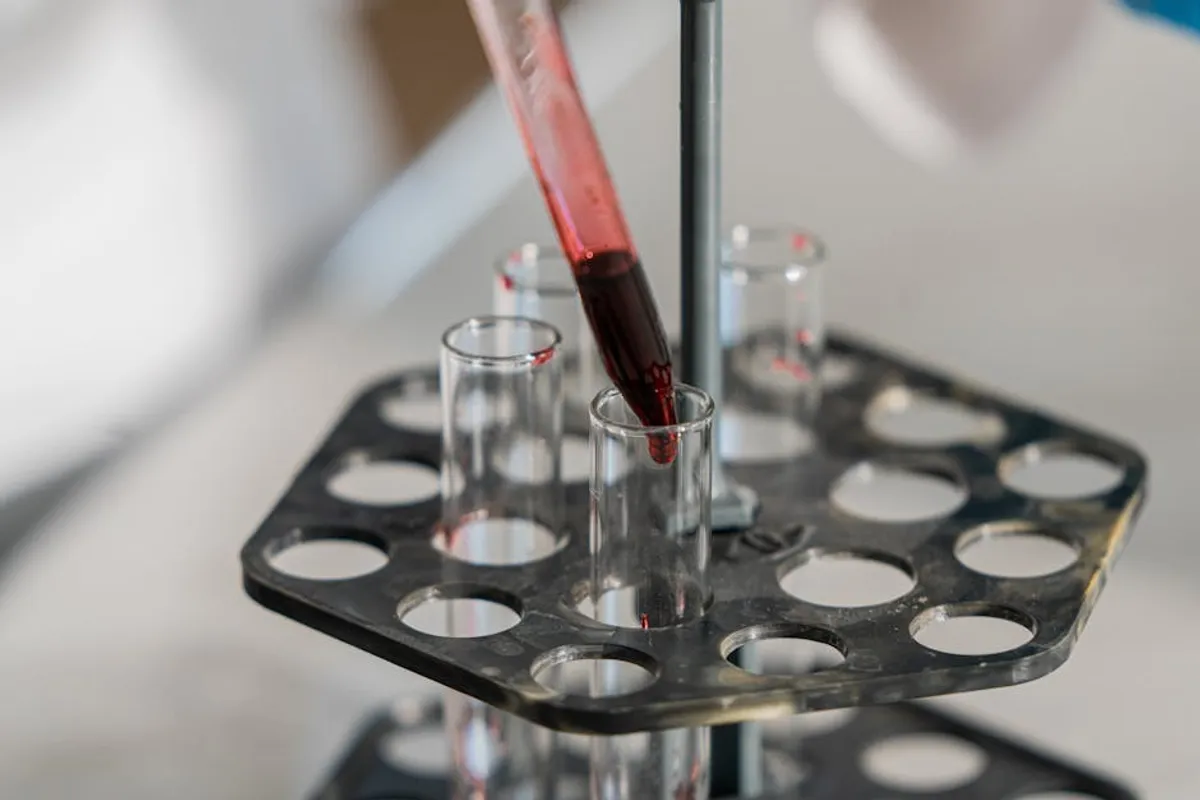
- Micropipettes: Deliver very small, fixed, or variable volumes (typically 0.1 µL to 1000 µL). They require disposable tips and are essential for molecular biology, clinical diagnostics, and microbiology.
- Serological Pipettes: Graduated glass or plastic tubes, typically 1 mL to 25 mL, used for less precise liquid transfers, often for media preparation or reagent additions.
Best for: Precision liquid handling, reagent dispensing, serial dilutions.
- Volumetric Flasks: Designed to contain a specific, highly accurate volume of liquid at a particular temperature. They have a single calibration mark on the neck.
Best for: Preparing standard solutions, highly accurate dilutions.
- Graduated Cylinders: Less accurate than volumetric flasks or pipettes, these are used for approximate volume measurements and transferring liquids. They have multiple calibration marks along their length.
Best for: General volume estimation, mixing solutions.
Measuring Temperature
- Liquid-in-Glass Thermometers: Traditional mercury or alcohol thermometers. They are inexpensive but can be fragile and offer limited precision.
Best for: General temperature monitoring where high precision is not critical.
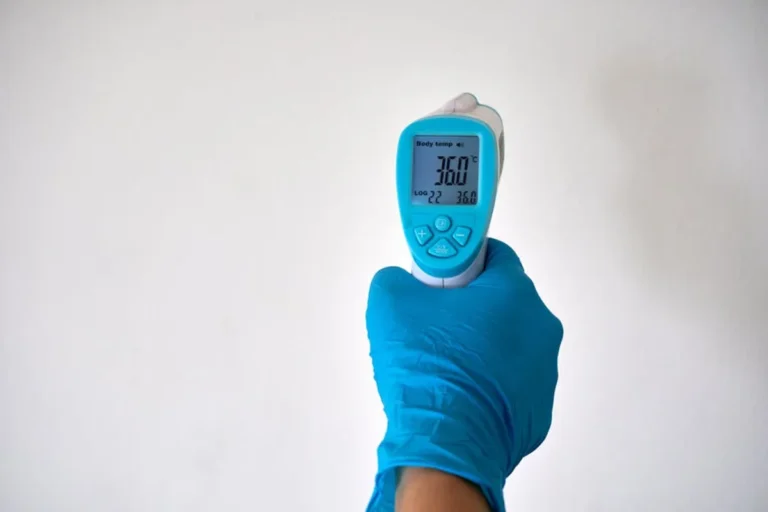
- Digital Thermometers: Electronic devices with sensors (e.g., thermistors, RTDs, thermocouples) that provide a digital readout. They offer faster response times, higher precision, and often data logging capabilities.
Best for: Precise temperature control, environmental monitoring, process validation.
Measuring pH
pH meters measure the acidity or alkalinity of a solution. They consist of a pH electrode (sensor) and a meter that displays the pH value. Accurate pH measurement is critical for chemical reactions, biological processes, and quality control.
Key considerations: Electrode type (glass, solid-state), calibration with buffer solutions, temperature compensation, maintenance of the electrode (storage solution).
Best for: Chemical synthesis, environmental testing, food and beverage quality control, biological research.
Measuring Light Absorption/Transmission
Spectrophotometers (UV-Vis): These instruments measure the amount of light absorbed or transmitted by a sample at specific wavelengths. They are fundamental for quantifying concentrations of substances, studying reaction kinetics, and identifying compounds.
Key considerations: Wavelength range (UV, visible), bandwidth, cuvette compatibility (glass, quartz, plastic), software for data analysis.
Best for: Concentration determination (e.g., DNA, protein), enzyme kinetics, colorimetric assays.
Selecting the Right Tool for Your Application
Choosing appropriate lab measurement tools involves a systematic evaluation of several factors beyond just the measurement type.
Defining Your Needs
Start by clearly defining the specific requirements of your application. What is the required range of measurement? What level of precision and accuracy is acceptable or necessary? What sample matrix will you be working with? Consider throughput requirements – will you be performing a few measurements daily or hundreds? The answers to these questions will narrow down the available options considerably.
Budget and Maintenance
The initial purchase price is only one component of the total cost of ownership. Factor in the ongoing expenses for consumables (e.g., pipette tips, cuvettes, calibration buffers), routine maintenance, and potential repair costs. Some instruments require specialized service contracts or frequent recalibrations by certified technicians, which add to the operational budget. Durability and expected lifespan of the equipment are also important considerations for long-term financial planning.
User Interface and Ergonomics
The ease of use and ergonomic design of an instrument directly impact user efficiency and reduce the likelihood of errors. A clear, intuitive interface with straightforward controls minimizes training time and improves workflow. Consider the physical space available in your lab and the instrument's footprint. Features like data logging, connectivity options (USB, Ethernet), and compatibility with laboratory information management systems (LIMS) can also significantly enhance usability and data management.
Pro Tip: Always prioritize instruments with clear, documented calibration procedures and readily available service. A highly precise instrument loses its value if its accuracy cannot be verified or maintained over time. Document every calibration event, including dates, standards used, and technician details, to ensure traceability and audit readiness.
Establishing a Reliable Measurement Practice
Beyond selecting the right tools, establishing robust measurement practices is crucial. This includes comprehensive training for all users, consistent adherence to standard operating procedures (SOPs), and meticulous record-keeping. Regular preventative maintenance, proper cleaning, and correct storage of instruments and consumables extend their lifespan and ensure consistent performance. A proactive approach to instrument care minimizes downtime and guarantees the integrity of your experimental data, forming the bedrock of any reliable lab operation.
Frequently Asked Questions
What is the primary difference between an analytical balance and a top-loading balance?
Analytical balances offer significantly higher precision (typically 0.1 mg or better) and are enclosed in a draft shield to minimize environmental interference, making them suitable for very small, critical samples. Top-loading balances are less precise (0.01 g or 0.001 g), faster, and more robust for general lab work where ultra-high precision is not required.
How often should lab instruments be calibrated?
Calibration frequency depends on the instrument type, manufacturer recommendations, usage intensity, and regulatory requirements. High-precision instruments or those used in regulated environments may require monthly or quarterly calibration, while others might be sufficient with annual checks. Always consult the instrument's manual and your lab's quality assurance protocols.
What factors affect pH meter accuracy?
Several factors influence pH meter accuracy, including proper calibration with fresh buffer solutions, temperature compensation, the condition of the pH electrode (e.g., clean, hydrated), and potential sample matrix effects. Electrodes should be properly stored in their recommended solution to prevent drying out and ensure optimal performance.
Can I use a graduated cylinder for highly accurate volume measurements?
No, graduated cylinders are designed for approximate volume measurements and are not suitable for applications requiring high accuracy. For precise volume measurements, especially when preparing standard solutions or for quantitative analysis, volumetric flasks or calibrated pipettes should be used.